
Shocking New Study Reveals Vaccinating Boys Against HPV Could Halve Cervical Cancer Rates—Are You Prepared?

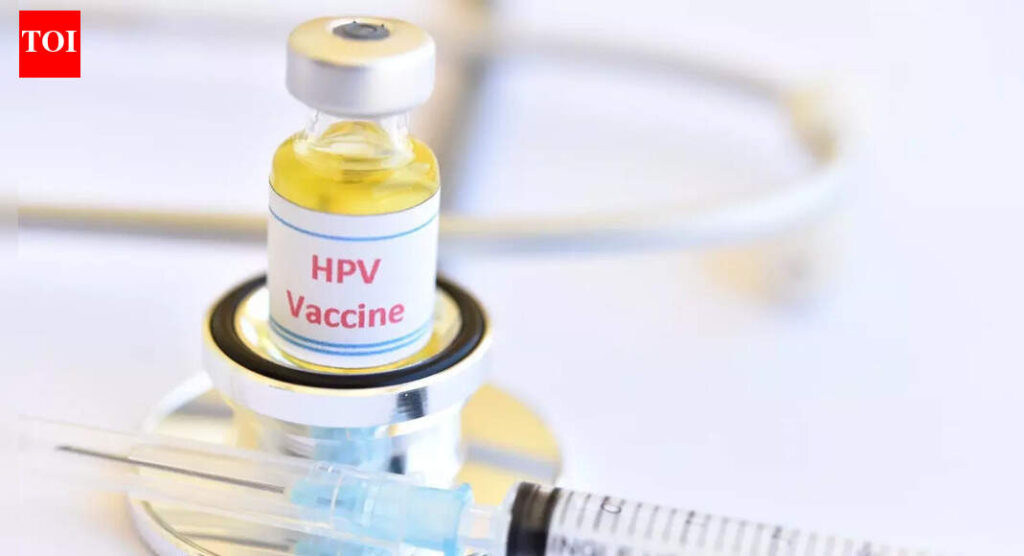
Cervical cancer, while often overshadowed by breast cancer, remains a significant health concern for women worldwide. In 2022, approximately 660,000 women were diagnosed with cervical cancer, resulting in the deaths of 350,000 individuals, predominantly in low- and middle-income countries where access to vaccination, screening, and treatment is limited. The primary cause of cervical cancer is the human papillomavirus (HPV), a group of over 200 related viruses, among which a handful of high-risk types are responsible for most cases of this cancer.
Traditionally, vaccination efforts focused on girls and young women, with vaccines like Gardasil and Cervarix specifically designed to prevent HPV-related cervical cancer. These vaccines are most effective when administered before sexual activity begins, ideally between the ages of 9 and 14. According to the CDC, HPV vaccination can prevent up to 90% of cervical cancer cases and eliminate numerous early cell changes that could lead to disease. However, the strategy is evolving.
By 2025, experts are beginning to advocate for a more inclusive approach: vaccinating boys as well. While it might seem counterintuitive since boys do not have a cervix, vaccinating them is critical in controlling the spread of HPV. Studies indicate that when boys are vaccinated, they are significantly less likely to contract and transmit high-risk HPV to their partners. This not only protects boys from potential health issues such as anal, penile, and throat cancers but also contributes to a broader public health objective: reducing the overall presence of HPV in the community.
Herd immunity plays a pivotal role here. When a substantial portion of the population is vaccinated, even those who are not vaccinated gain some level of protection against infections. Research shows that vaccination rates drop faster and further when both genders are inoculated compared to vaccinating girls alone. This collective immunity could significantly reduce the incidence of cervical cancer and even lead to its eradication if enough individuals are vaccinated.
The Path Forward
Countries such as the United States, United Kingdom, and Australia have begun revising their vaccination guidelines to include both boys and girls as part of routine childhood immunizations. Health organizations like the World Health Organization (WHO) and the CDC recommend that all children be vaccinated, usually between ages 9 and 12, prior to any exposure to the virus. However, challenges remain. In many regions, misinformation, cultural resistance, and cost can hinder vaccination efforts. Some parents may be unaware that the vaccine exists or may harbor misconceptions about its efficacy and safety.
Public health initiatives are vital in addressing these issues. Educational efforts aimed at dispelling myths surrounding the HPV vaccine and increasing access to vaccination are crucial for improving vaccination rates. The overarching goal is clear: to significantly lessen the burden of HPV-related cancers and ultimately eradicate cervical cancer.
As the medical community continues to push for broader vaccination strategies, it becomes increasingly evident that a collective effort is essential. By ensuring that both boys and girls are vaccinated against HPV, we take a monumental step toward protecting future generations from the devastating effects of cervical cancer. The journey toward this goal will require commitment from healthcare providers, public health officials, and communities alike to create an environment where vaccination is not only accessible but also accepted and understood.
You Won't Believe How Climate Change is Threatening This Year's Christmas Tree Supply!

Tom Lee's Shocking $421M Ethereum Bet: Is He About to Make a Fortune or Lose It All?

Unlock the Secret: 7 Unbelievable Benefits of Dancing You Never Knew Existed!
You Won't Believe What Scientists Just Discovered About HPV Vaccinations for Boys—The Shocking Truth Could Save Lives!
Is This 100-Year-Old Vaccine Our Last Hope Against a Silent Killer? Shocking Truth Inside!
Is Your Favorite Snack Harming Your Gut? The Shocking Truth About Bagged Chips!
You might also like: