You Won't Believe What Scientists Just Discovered About HPV Vaccinations for Boys—The Shocking Truth Could Save Lives!

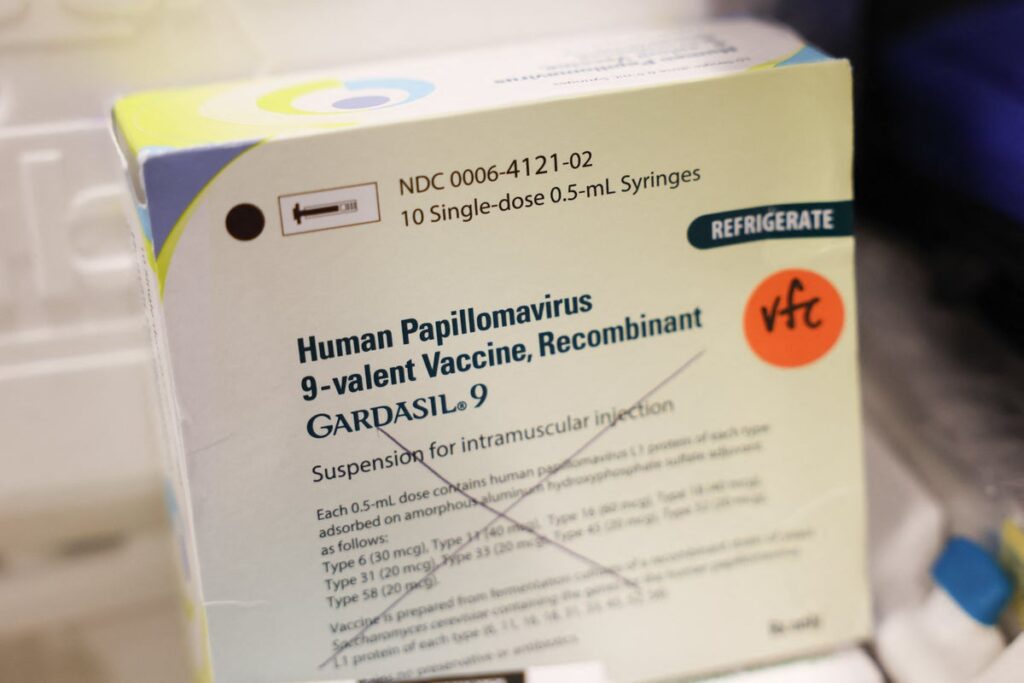
The fight against cervical cancer may need a new strategy: vaccinating boys against the human papillomavirus (HPV). This insight comes from a recent study that suggests a more inclusive vaccination approach could be pivotal in eradicating this disease, which currently affects countless women worldwide.
HPV is recognized as the most common sexually transmitted infection globally. While many infections can resolve on their own, persistent cases can lead to severe health complications, including cervical cancer. In fact, HPV-induced cervical cancer ranks as the fourth most prevalent cancer among women, with nearly 660,000 new cases diagnosed and approximately 350,000 deaths attributed to it each year.
Despite the clear risks, vaccination efforts have historically focused on girls. Currently, HPV vaccines are available in 147 countries, demonstrating their effectiveness in reducing both disease transmission and cancer risk. However, researchers are now questioning whether these targeted strategies are enough to completely eliminate cervical cancer.
A study published in the Bulletin of Mathematical Biology introduces a new mathematical model aimed at enhancing HPV vaccination programs. This model evaluated South Korea's recent vaccination initiatives, which began in 2016 and currently cover about 80 percent of girls aged 12-17. Additionally, around 30,000 women aged 18-26 receive "catch-up vaccinations" each year.
Lead author of the study, Soyoung Park from the University of Maryland, emphasized the importance of examining whether these efforts are sufficient to control cervical cancer. The research showed that while current vaccination policies are reducing cervical cancer cases, they are inadequate for complete elimination. According to co-author Abba Gumel, "It’s achieving the objective of reducing cases of cervical cancer, but it’s not going to eliminate it. The objective is elimination."
The model indicates that to fully eradicate cervical cancer, vaccination coverage needs to reach 99 percent of women in South Korea. However, the inclusion of boys in vaccination campaigns could significantly ease the burden on female vaccination rates. Gumel noted, "Vaccinating boys reduces the pressure of having to vaccinate a large proportion of females."
The researchers propose a dual approach: vaccinating about 65 percent of boys in the same age group while maintaining the current coverage for girls. This strategy could potentially eliminate HPV-related cancers in South Korea within 60-70 years. Gumel remarked, "The way to protect them is to surround them with a sea of immunity." He added that the world should not continue losing 350,000 people to cervical cancer annually when effective solutions are available.
This compelling study highlights a critical shift in public health strategy regarding HPV vaccination. By broadening the focus to include boys, health officials could not only enhance the fight against cervical cancer but also pave the way for a future where HPV-related cancers are significantly reduced. The implications are profound, signaling a need for policy changes that prioritize comprehensive vaccination efforts to protect future generations.
Is This 100-Year-Old Vaccine Our Last Hope Against a Silent Killer? Shocking Truth Inside!
Is Your Favorite Snack Harming Your Gut? The Shocking Truth About Bagged Chips!

Stock Market Soars While Bitcoin Stumbles—Is Your Investment at Risk Before Monday's Big Deadline?

This Unbelievable Solution to Climate Change Hides in Nature—Are You Ignoring It?

You Won't Believe What Happened in Real Estate Last Week: Shocking Sales & $1M Deals Revealed!

NFL Shock: Quinshon Judkins' Career in Jeopardy with Broken Leg! How Will Minshew Escape ACL Disaster?
You might also like: