
Is This 100-Year-Old Vaccine Our Last Hope Against a Silent Killer? Shocking Truth Inside!

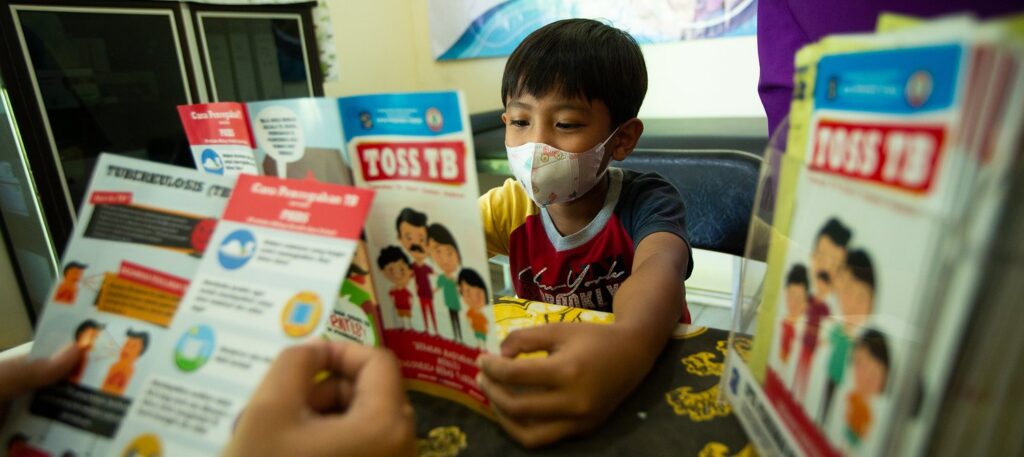
Tuberculosis (TB) is the world’s oldest infectious disease and remains one of its deadliest, claiming an estimated 1.23 million lives in 2024 alone. This figure surpasses the combined tolls of malaria and HIV/AIDS, highlighting a persistent yet often overlooked health crisis. Unlike the urgent responses triggered by outbreaks of diseases such as COVID-19 or Ebola, TB operates in the shadows, killing steadily without drawing the same level of attention from policymakers or the media. Since record-keeping began in 1882, TB has contributed to the deaths of more than one billion people.
Such invisibility reflects a complex narrative. Today, TB is both preventable and treatable, yet it continues to devastate communities, particularly in low- and middle-income countries. While millions of new cases are reported globally each year, the last approved vaccine—Bacille Calmette-Guérin (BCG)—dates back to 1921. Although BCG remains effective in protecting infants and young children, it offers minimal protection for older adolescents and adults, who are more likely to spread the disease.
This paradox is striking: the world’s oldest infectious disease, equipped with effective treatments, continues to be one of the deadliest. To understand this stagnation, it’s essential to explore the reasons behind it and the cautious optimism emerging from recent scientific advancements.
📰 Table of Contents
The Challenges of Tuberculosis
Tuberculosis is caused by the bacterium Mycobacterium tuberculosis, which spreads through the air when an infected person coughs, sneezes, or breathes. Alarmingly, nearly one in four people globally—approximately two billion individuals—harbor dormant TB bacteria. Most of these carriers remain asymptomatic, thanks to their immune systems effectively containing the bacteria. However, for roughly 5–10% of these individuals, the infection can become active, leading to severe health complications, including damage to the lungs and spread to other organs. Each year, around 10 million people develop active TB.
Until the mid-20th century, TB was often a death sentence. The advent of antibiotics significantly transformed its prognosis, particularly in wealthy nations where robust healthcare systems, improved housing, and better nutrition led to a decline in cases. However, this decline did not extend to low- and middle-income countries, where adverse living conditions—such as overcrowding, malnutrition, and strained healthcare systems—facilitate the disease's spread. More than 95% of TB cases occur in these regions, where the disease remains a public health crisis.
The BCG vaccine initially represented a breakthrough in combating TB when it was introduced in 1921, significantly reducing childhood mortality from severe TB. Today, around 100 million newborns receive the vaccine annually. However, its protective effects diminish with age, making it ineffective for older populations, who are more likely to transmit the disease. Furthermore, its efficacy varies geographically, with inconsistent results, particularly near the equator.
Consequently, global TB control has relied heavily on treatment rather than prevention. The standard antibiotic regimens, known as the RIPE protocol, can cure most TB cases when taken correctly over a period of at least six months. While these regimens have saved millions of lives, they are lengthy and can struggle against increasingly common drug-resistant strains of TB. This situation likens the fight against TB to battling an ongoing pandemic with outdated tools.
Hope on the Horizon
The challenges in developing a new TB vaccine stem from a combination of biological complexities and global health inequities. Vaccines are inherently difficult to create, but TB presents additional hurdles. Scientists do not fully understand the immune response that protects humans from TB, complicating the design of effective vaccine trials. Unlike other diseases, individuals recovering from TB remain susceptible to reinfection, making immunity elusive.
Moreover, the resilience of M. tuberculosis itself contributes to the difficulty. The bacterium grows slowly and can remain dormant for years, waiting for an opportunity to exploit weaknesses in the host's immune system. This long asymptomatic phase allows the bacteria to evade detection, often resulting in drug-resistant strains.
The disparities in global health systems further complicate matters. While wealthy nations have historically implemented proactive measures—such as mobile X-ray units for early detection and extensive investment in treatment—many developing countries have faced challenges in providing adequate care. Diagnostic tools and treatments are often limited, and systemic issues have led to rationed care, particularly for those with drug-resistant TB.
Despite these challenges, there is a glimmer of hope. For the first time in generations, the TB vaccine pipeline is not empty. Currently, more than a dozen vaccine candidates are in development, utilizing various approaches, including protein subunits and mRNA technology. The M72/AS01E vaccine candidate, developed by GSK in collaboration with the Gates Medical Research Institute, has shown promising results, demonstrating approximately 50% efficacy in preventing active TB among infected adults in a 2019 study. If successful, M72 could become the first new TB vaccine in over a century, potentially preventing millions of cases and deaths in the coming decades.
However, recent cuts to global health budgets pose a threat to this progress. It is estimated that around $800 million per year is needed to advance promising candidates through clinical trials and into broader use. A moderately effective TB vaccine could save millions of lives and address the striking disparities in global healthcare.
Ultimately, TB has persisted not because it is unbeatable, but because it is tolerated and largely unseen by those in affluent societies who view it as a relic of the past. The advancements on the horizon offer a rare chance to rewrite this narrative. The decisions made today regarding funding and research priorities will significantly impact millions of lives around the world, and the time to act is now.
Is Your Favorite Snack Harming Your Gut? The Shocking Truth About Bagged Chips!
Stock Market Soars While Bitcoin Stumbles—Is Your Investment at Risk Before Monday's Big Deadline?

This Unbelievable Solution to Climate Change Hides in Nature—Are You Ignoring It?
You Won't Believe What Happened in Real Estate Last Week: Shocking Sales & $1M Deals Revealed!

NFL Shock: Quinshon Judkins' Career in Jeopardy with Broken Leg! How Will Minshew Escape ACL Disaster?

Why Did Greene County's Elections Director Just Quit? Shocking Secrets Behind the Mass Exodus!
You might also like: