
You Won't Believe How Climate Change is Threatening This Year's Christmas Tree Supply!

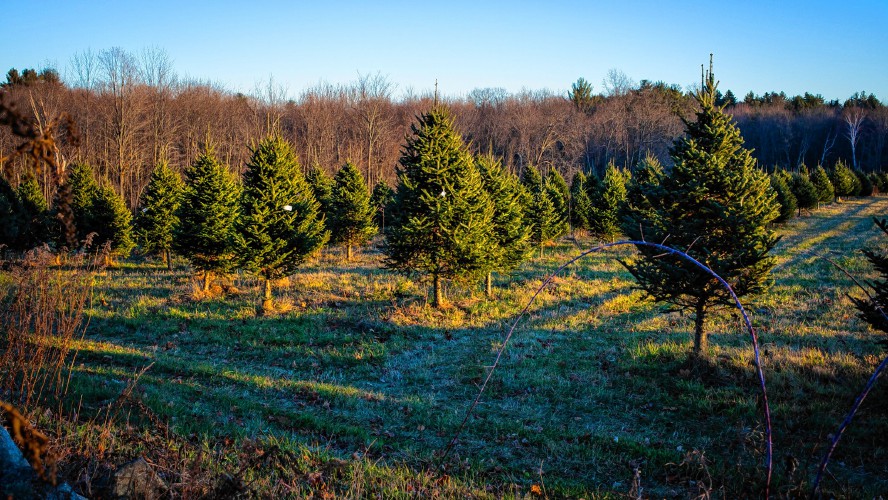
This holiday season, families across New Hampshire and Vermont are embracing a cherished tradition: heading to local farms to pick out the perfect Christmas tree, an experience that feels as timeless as a Norman Rockwell painting. However, beneath the surface of this picturesque scene lies a pressing issue that affects the very trees that symbolize holiday cheer: climate change.
While climate change isn’t eliminating the beloved Christmas trees in these states, it is transforming the conditions under which they grow. As the program director of the New Hampshire/Vermont Christmas Tree Association and founder of South Farm in Bethlehem, I often address concerns from customers about how changing weather patterns—like fluctuating rainfall, rising temperatures, and the threat of pests—could impact our ability to grow and sell trees. Each year, we cultivate around 800 trees, and the challenges we face are becoming more pronounced.
At South Farm, which spans 23 acres, the effects of climate change are visible daily. Our springs are now warmer and wetter, creating conditions that many trees simply can’t tolerate. Trees, much like people, can be sensitive to their environments; too much moisture can lead to root issues. Indeed, we've had to adapt to an environment where irrigation systems and regular mulching have become essential to keep the soil adequately damp, particularly in southern regions of New Hampshire and Vermont. Conversely, other areas have dealt with intense rainfalls—one spring saw persistent rain for a shocking 12 weeks—prompting the need for field drains and raised beds to protect against root rot.
Adding to these complications are new diseases and pests. Over the past 15 years, fungal infections have surged, largely attributed to excess spring rain, harming trees as they lose their needles, rendering them unsellable unless we implement stringent control measures.
The changing climate is also influencing the types of trees that flourish in our region. The traditional favorites—Fraser firs and Balsams—struggle in warm, wet conditions. To counter these challenges, we are actively seeking tree varieties that can adapt better to the shifting climate. For instance, nurseries are increasingly cross-pollinating Balsams with a Korean variety, known for its resilience against changing weather patterns. Additionally, we are experimenting with Virginia pines, which thrive in wetter conditions and bloom later, reducing the likelihood of insect infestations and subsequent disease control needs.
What does this shift mean for local farmers? It entails significant investment in new irrigation systems, increased labor for mulching, innovative anti-fungal treatments, and the introduction of new seedling varieties. Remarkably, despite these challenges, I haven't encountered any Christmas tree farms that have shut down; the dedication of these farmers to their craft and lifestyle drives them to adapt and find ways to keep their trees healthy and their businesses viable.
According to the University of New Hampshire, the state boasts over 200 Christmas tree farms, while Vermont is home to approximately 260. These farms do more than just provide holiday cheer; they contribute significantly to the local economy, create jobs, preserve open spaces, and play a vital role in maintaining air quality.
As New England warms faster than any other region in the continental U.S.—second only to the Alaskan Arctic—it serves as a wake-up call for all of us who cherish our winters, value our communities, and care about our environment. The changing climate challenges us, not only as farmers but as stewards of the land and community members. Our choices today will shape the landscapes of tomorrow, making it imperative that we act with foresight and innovation.
Nigel Manley, an avid outdoorsman with a degree in agricultural management, leads this effort, demonstrating that even as traditions evolve, the spirit of community and resilience persists in the face of change.
Tom Lee's Shocking $421M Ethereum Bet: Is He About to Make a Fortune or Lose It All?

Unlock the Secret: 7 Unbelievable Benefits of Dancing You Never Knew Existed!

You Won't Believe What Scientists Just Discovered About HPV Vaccinations for Boys—The Shocking Truth Could Save Lives!
Is This 100-Year-Old Vaccine Our Last Hope Against a Silent Killer? Shocking Truth Inside!
Is Your Favorite Snack Harming Your Gut? The Shocking Truth About Bagged Chips!

Stock Market Soars While Bitcoin Stumbles—Is Your Investment at Risk Before Monday's Big Deadline?
You might also like: