
New Study Uncovers SHOCKING Immune Pathways in mRNA Cancer Vaccines – Are You Missing Out?

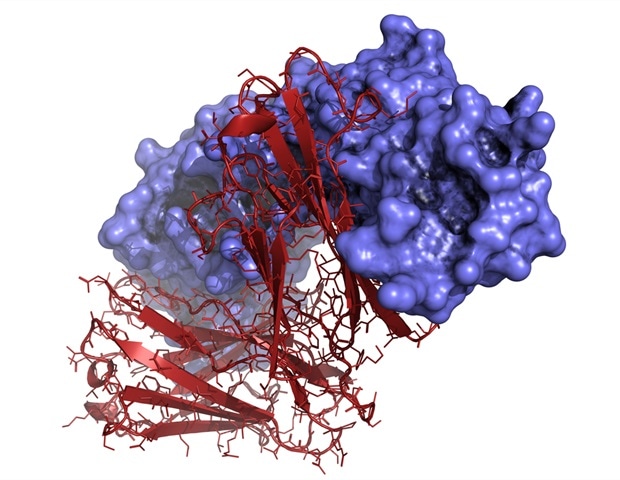
The introduction of mRNA vaccines during the COVID-19 pandemic in 2020 has not only transformed our approach to infectious diseases but is now paving the way for innovative cancer treatments. Recent studies highlight the potential of these vaccines in targeting various types of cancer, such as melanoma, small cell lung cancer, and bladder cancer. Researchers at the Washington University School of Medicine in St. Louis have made a groundbreaking discovery that reveals how these vaccines can stimulate the immune system, even under atypical circumstances.
According to a study published in the journal Nature on April 15, researchers initially believed that a specific subtype of immune cells was essential for the activation of the immune response via mRNA vaccination. However, their findings indicate that even in the absence of these cells, the mRNA vaccines can still elicit robust anti-tumor immune responses. The study identifies that a related immune cell subtype, known as cDC2, plays a crucial role in stimulating anti-tumor activity—an unexpected outcome given that this cell type has not traditionally been associated with vaccine responses.
"There is a lot of interest in applying the mRNA vaccine approaches used during the COVID-19 pandemic to the problem of inducing anti-tumor immunity. By dissecting which immune cells are involved and how they coordinate the response, we're offering vaccine developers some additional mechanistic insights to consider in their goal of optimizing these vaccines against tumor proteins," said Kenneth M. Murphy, MD, PhD, senior author and the Eugene Opie Centennial Professor of Pathology & Immunology at WashU Medicine.
This research, which showcases the collaboration between experts like Murphy and William E. Gillanders, MD, the Mary Culver Professor of Surgery at WashU Medicine, provides a deeper understanding of how mRNA vaccines could be optimized for cancer treatment. Gillanders, also a physician-scientist and surgical oncologist involved in developing vaccines against triple-negative breast cancer, is keenly aware of the challenges faced in oncological immunotherapy.
Understanding Immune Activation
So how do these mRNA vaccines work in the context of cancer? Essentially, they deliver messenger RNA instructions to immune cells, prompting them to produce proteins that signal the immune system to target and destroy cells exhibiting these proteins—specifically, cancerous cells. Traditionally, the cDC1, a classical type 1 dendritic cell, has been recognized for its efficiency in priming T cells to combat viral infections. Despite this understanding, the exact mechanisms of how T cells are activated following mRNA vaccination, particularly against tumors, remained unclear.
In their innovative approach, Murphy and Gillanders led their team in utilizing mouse models to investigate the role of different dendritic cell subtypes in stimulating T cells. The findings were surprising: mice vaccinated with the mRNA vaccine demonstrated strong T-cell responses, even when cDC1 cells were absent. More significantly, these mice were able to clear tumors of sarcomas, indicating the existence of alternative pathways for immune activation. The study reveals that cDC2s also contribute substantially to the immune response against tumors.
Moreover, the researchers discovered that T cells activated by cDC1s and cDC2s exhibit distinct molecular "fingerprints." This differentiation could prove crucial for developing enhanced vaccines in the future. Their work shows that even in the absence of both cDC1 and cDC2, mice still produced immune responses capable of rejecting tumors, thereby reinforcing the idea that multiple pathways can be exploited for effective cancer vaccination.
The analysis further indicated that cDC2s employ a complex mechanism to activate T cells, involving other cells to utilize mRNA instructions to fabricate and present tumor-specific protein fragments. This intricate process, known as "cross dressing," underscores the sophistication of the immune response and offers new avenues for research and development.
Gillanders remarked on the implications of their findings, stating, "This work uncovers a new way mRNA vaccines engage the immune system—through both cDC1 and cDC2—which helps explain their power and gives researchers concrete targets for making future mRNA cancer vaccines more effective." This breakthrough could not only refine vaccine formulation and dosing but might also elucidate why certain patients exhibit different responses to vaccines.
As the scientific community continues to explore the potential of mRNA technology beyond infectious diseases, these findings stand as a testament to the ever-evolving landscape of cancer treatment. The collaboration between immunologists and oncologists is essential in harnessing this technology to optimize cancer vaccines, potentially transforming the standard care and improving outcomes for countless patients.
Train Fare Jumps from $13 to $150 for World Cup Fans—Can You Afford to Miss Out?
Why This Shocking Error Left Millions in Panic—Are You One of Them?

Scientists Discover a Shocking New Way to Save Coral – You Won’t Believe the Results!

You Won't Believe How Chef Robotics Turned Failure into a $10 Million Success—Find Out Their Secret!

Is House District 44 About to Explode? Two More Republicans Enter the Race—What This Means for You!

LACMA's Geffen Galleries Open on April 19—Will You Miss the Most Anticipated Art Reveal of the Year?
You might also like: