
Train Fare Jumps from $13 to $150 for World Cup Fans—Can You Afford to Miss Out?

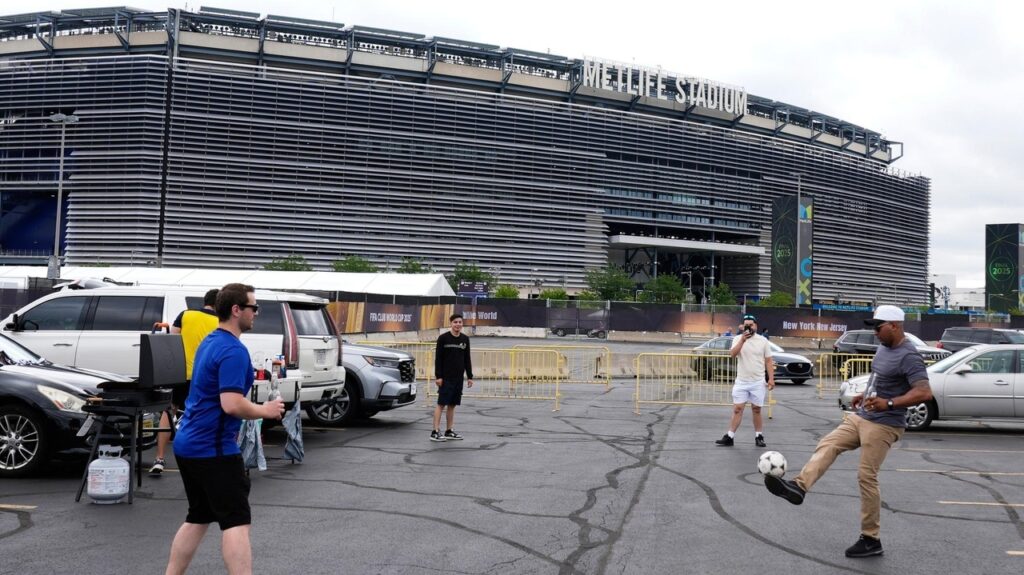
As the excitement builds for the upcoming World Cup matches in the U.S., fans are faced with a sobering reality: the costs associated with attending these prestigious events are soaring beyond just ticket prices. In particular, those traveling to MetLife Stadium in East Rutherford, New Jersey, will see transportation expenses skyrocket, costing $150 for a round-trip train fare for each match. This fare stands in stark contrast to the regular price of only $12.90 for the approximately 15-minute, 9-mile journey from Manhattan’s Penn Station.
New Jersey officials project that around 40,000 fans will rely on mass transit for each of the eight matches hosted at MetLife, including the tournament final scheduled for July 19. These matches will feature soccer powerhouses like Brazil, France, Germany, and England, kicking off group stage games on June 13.
New Jersey Governor Mikie Sherrill justified the fare increase as necessary to avoid burdening state commuters with debts for years to come. According to NJ Transit officials, the total cost to transport fans to and from the stadium during the tournament is estimated at $62 million, with only $14 million covered by outside grants. “This isn’t price gouging,” stated NJ Transit President and CEO Kris Kolluri. “We’re literally trying to recoup our costs.”
While New Jersey’s fare hike has drawn ire, fans attending matches at Gillette Stadium, home of the NFL’s New England Patriots, will also feel the pinch. Express buses to the stadium will cost $95, while many fans have already purchased $80 round-trip train tickets from Boston, quadrupling the usual fare of $20 during game days.
Not all host cities are following suit. Cities like Los Angeles and Philadelphia have committed to maintaining their transit fares, aided by $100 million in federal transit grants aimed at enhancing bus and rail services for the World Cup. In contrast, Kansas City is offering roundtrip shuttle services to Arrowhead Stadium at just $15 and a free bus from the airport to downtown. Houston, hosting seven matches, has added transit options but will keep fares at current levels, ranging from $1.25 to $4.50.
Governor Sherrill, a Democrat who took office in January, claimed that New Jersey inherited a deal from a previous administration where FIFA, the governing body of international soccer, contributed nothing to transportation expenses, leaving the state with a $48 million bill. “FIFA should pay for the rides. But if they don’t — I’m not going to let New Jersey get taken for one,” she expressed via social media.
FIFA responded by asserting that agreements signed with host cities in 2018 included provisions for free transportation for fans. They expressed surprise at Sherrill's comments, emphasizing their collaboration with host cities to develop transportation plans and secure federal funding.
New York Governor Kathy Hochul also voiced her concerns, stating that charging over $100 for a brief train ride seems exorbitantly high. The fare increase comes amid a backdrop of rising costs for attending major sporting events, which have long been a contentious issue for fans.
For those looking for alternatives, parking at the nearby American Dream Mall is available, but at a steep price of $225 for limited spots. As the World Cup draws near, fans will have to weigh the thrill of witnessing historic matches against the financial burdens that come with them.
With the World Cup returning to the U.S. for the first time since 1994, the financial implications of attending the event raise questions about accessibility and affordability for average fans. As preparations continue, the spotlight remains on how host cities balance costs while delivering a memorable experience for soccer enthusiasts.
Why This Shocking Error Left Millions in Panic—Are You One of Them?
Scientists Discover a Shocking New Way to Save Coral – You Won’t Believe the Results!

You Won't Believe How Chef Robotics Turned Failure into a $10 Million Success—Find Out Their Secret!

Is House District 44 About to Explode? Two More Republicans Enter the Race—What This Means for You!

LACMA's Geffen Galleries Open on April 19—Will You Miss the Most Anticipated Art Reveal of the Year?

Is Your Health at Risk? Discover the Shocking Truth Behind Beyond Risk’s New $50M Funding Platform!
You might also like: