
LACMA's Geffen Galleries Open on April 19—Will You Miss the Most Anticipated Art Reveal of the Year?

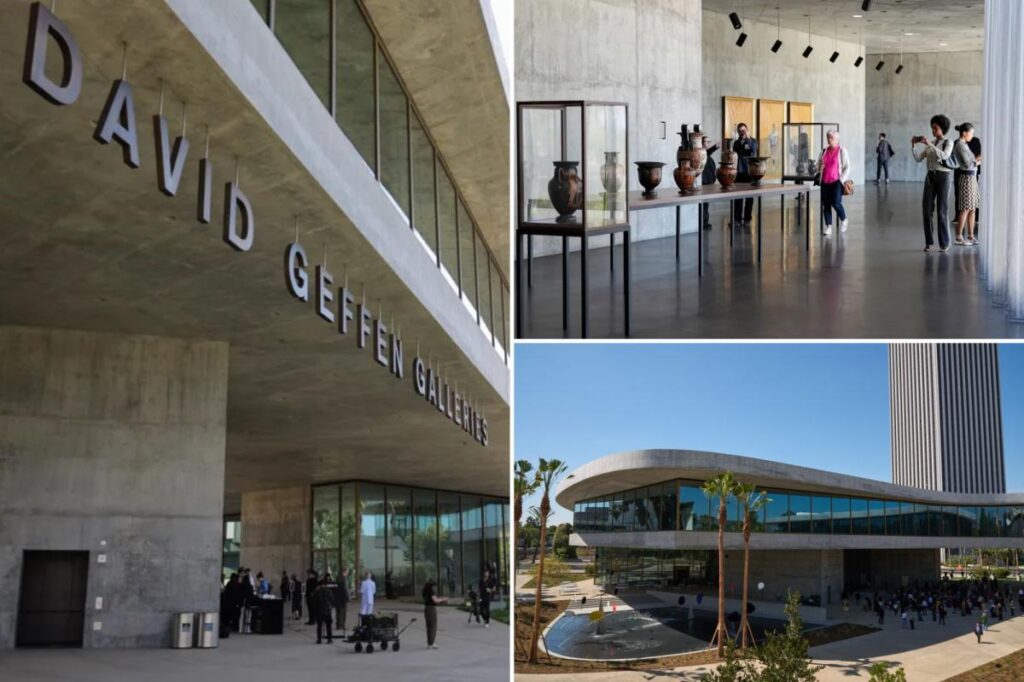
After nine months of meticulous installation, the Los Angeles County Museum of Art’s new David Geffen Galleries are set to open to the public on April 19, showcasing 1,700 pieces of art within a striking, state-of-the-art structure. This expansive space, measuring 110,000 square feet, elevates the museum’s exhibition capabilities dramatically, displaying a wealth of treasures that have long remained in storage.
The gallery, designed by Swiss architect Peter Zumthor, features a curvy, 900-foot-long design that soars nearly 30 feet above the bustling Wilshire Boulevard, creating a landmark that ties together the burgeoning cultural district known as Museum Row. This area includes attractions such as the Peterson Automotive Museum and the Academy Museum of Motion Pictures. Connecting it all, a new subway station on Metro’s growing D line is expected to be operational soon, further enhancing accessibility to the area.
With the new addition, LACMA will boast 220,000 square feet of gallery space, a substantial increase from the 130,000 square feet available in 2007 when the two-decade campus expansion commenced. The latest phase of construction alone cost approximately $724 million. Major financial contributors include the county of Los Angeles, which donated $125 million, and David Geffen, who contributed a reported $150 million.
The galleries will house significant works, including renowned pieces like Vincent van Gogh’s *Tarascon Stagecoach* (1888) and Katsushika Hokusai’s *The Great Wave off Kanagawa* (1830-31). Among the notable recent acquisitions is a major triptych by Francis Bacon gifted by the late Elaine Wynn, highlighting the layered histories and narratives that the galleries aim to present. “I would rather have her here than those paintings,” said Michael Govan, LACMA’s CEO, acknowledging Wynn's pivotal role in pushing the Geffen project forward.
The design philosophy behind the new galleries embraces a non-hierarchical exhibition approach, with spaces referred to as "oceans," such as the Atlantic and Pacific. Diana Magaloni, senior deputy director of conservation and exhibitions, explained this concept as a reminder of how different cultures have historically engaged in a shared human conversation. “You’re never cut off from Los Angeles,” she added, noting the building's integration with its surroundings and the city’s vibrancy.
Despite the excitement surrounding the opening, the building has not been without controversy. Critics have expressed concerns regarding Zumthor's use of concrete, which they argue has led to an acoustically challenging environment. During a preview performance in June led by jazz composer Kamasi Washington, the harsh acoustics of the concrete galleries resulted in distracting sound bleed. While aesthetically striking, the building’s design has sparked debate about its suitability for housing art.
Amidst the criticism, local laborer James Anderson, who worked on installing the building’s expansive glass windows, described the project as a “beast.” He highlighted the logistical challenges of working with heavy materials and intricate designs. “Every tiny movement was critical,” he recalled, emphasizing the meticulous care required to ensure each installation was flawless.
As LACMA prepares to welcome visitors, the new outdoor area off Wilshire Boulevard, still in development, will feature the 75,000-square-foot W.M. Keck Plaza. This space will showcase new commissions from local artists alongside iconic pieces from LACMA’s collection. Additionally, a new restaurant and a wine bar are slated to open later this year, following the trend of upscale culinary offerings that have become increasingly popular in the area.
The opening of the David Geffen Galleries marks a significant milestone for LACMA and the Los Angeles cultural landscape. It represents not just a physical expansion of gallery space but also a fresh opportunity for engagement with art that reflects the complexities of both history and contemporary society. As the museum embraces this new chapter, it stands at the forefront of a dynamic community poised to celebrate the intersection of culture, art, and urban life.
Is Your Health at Risk? Discover the Shocking Truth Behind Beyond Risk’s New $50M Funding Platform!

Why Williamson County's Commercial Real Estate Surged by 30%—Are You Missing Out?

S&P 500 Soars After Iran Drops a Shocking Truth About the Strait of Hormuz—What You Must Know!

Democratic Primary Shocker: Child Care vs. Data Centers—Who Will Win the Fight for Your Vote?

29-Year-Old Football Coach Dies Just Days After Scary Practice Incident—What Really Happened?

EMA's Shocking Move: The FIRST RNA Vaccine for Pets—What You MUST Know Before It's Too Late!
You might also like: