Measles Explosion: How RFK Jr. and Trump’s Vaccine Reversal Fueled 1,000 New Cases!

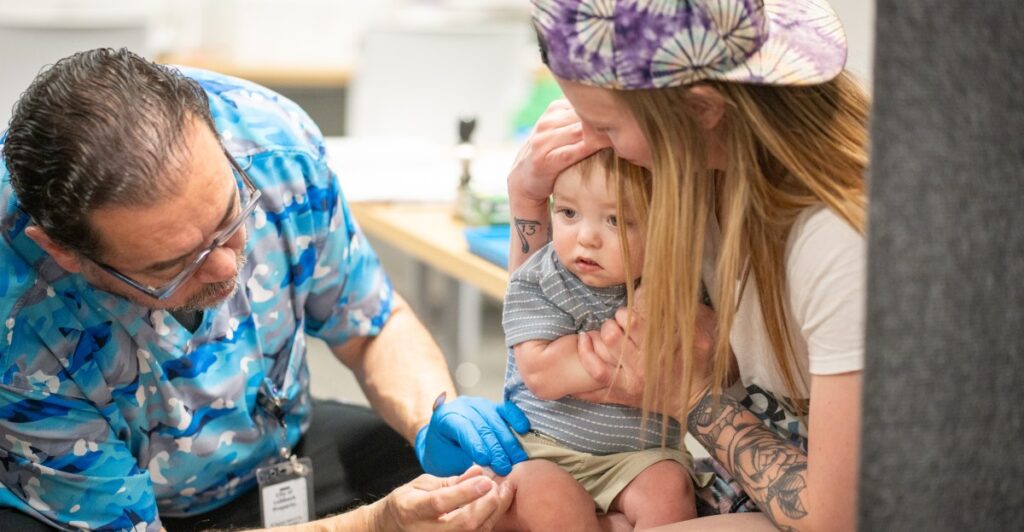
Dr. Andrew Carroll has seen a drastic reversal in the public perception of measles since he began practicing family medicine in Chandler, Arizona, in 2000, the year the United States declared the disease eradicated. Now, two decades later, an outbreak is emerging nearby, adding to a troubling wave of infections across the country as vaccination rates decline. As of 2025, over 1,900 measles cases have been reported nationwide—the highest number in more than 30 years—resulting in over 200 hospitalizations and three fatalities, marking the first measles deaths in the U.S. in more than a decade.
This resurgence of measles has been fueled by a combination of vaccine misinformation and complacency, as many have forgotten the virus's devastating effects. Dr. Carroll reflects on the progress made in public health over the past decades, comparing it to the advancements during the AIDS epidemic, where effective treatments transformed a once-deadly disease into a manageable condition. “It only takes one generation to forget the progress we’ve made on certain things — and one of those is measles,” he said. “Twenty-five years ago, we were a measles-free nation. Now we’re back one generation later because we forgot how terrible it was.”
Doctors across the nation express frustration as they grapple with vaccine hesitancy that has been exacerbated by political polarization, social media misinformation, and a general decline in trust in health authorities. Dr. Emily Briggs, a family physician in New Braunfels, Texas, humorously noted, “We’ve done too good of a job,” pointing out that the public’s fear of measles has diminished due to its absence from everyday life. Yet, the reality remains that measles is still among the most contagious infections known to humanity, with serious health risks for even healthy children.
As vaccination rates have plummeted—driven by factors including political discourse, social media, and the COVID-19 pandemic—previously eliminated diseases like whooping cough are resurfacing. The decline in trust in established medical advice has created fertile ground for the measles virus to reclaim territories where it had long disappeared. Communities with historically low vaccination rates, such as certain religious groups in Texas and South Carolina, have been particularly vulnerable. In a Texas Mennonite community where the outbreak began, fewer than half of the children were vaccinated, and a South Carolina charter school reported vaccination rates as low as 20%.
Dr. Ada Stewart, a family physician in Columbia, South Carolina, is bracing for another surge in cases as the holiday season approaches. “I have people coming to me: ‘Can I go visit Grandma? Is it safe? Should I take my baby?’” she said. “People are scared.” The situation has put immense pressure on healthcare providers who are already stretched thin. Dr. Jason Terk, a pediatrician in Texas, articulated the burden on doctors: “There’s some resistance by many people to take lessons from history. They don’t want to be encumbered by those lessons and give up their autonomy.”
The emotional toll of combating misinformation is wearing on physicians. “Our burnout is so significantly higher now because: Why is it on us to have to reiterate the exact same accurate information when that’s why we have public health officials?” Dr. Briggs said. The historical trust that patients had in their doctors is being undermined by a public increasingly skeptical of medical advice, often fueled by statements from health officials who downplay the severity of diseases like measles.
Dr. Robert F. Kennedy Jr., the U.S. Health Secretary, has made controversial remarks regarding vaccines, leading to confusion and a potential decline in vaccination rates. His comments during media appearances have included minimizing the risks associated with measles, stating, “When you and I were kids, everybody got measles,” ignoring the hundreds of deaths that occurred annually prior to the vaccine's introduction.
As the outbreak spreads, some physicians see a potential silver lining. The ongoing experiences with measles may finally prompt people to reassess the importance of vaccinations. “We’re going through a cycle, and there will be casualties. There will be needless deaths and illnesses,” Dr. Terk warned. “I think that the only generation that is going to learn from this will be maybe the next one.” While the current wave of infections is alarming, it serves as a reminder of the critical role vaccines play in protecting public health.
Breakthrough Cancer Vaccine Targets Deadly Nasopharyngeal Tumors—You Won't Believe What Happens Next!
Newport Student Shocks Community by Earning Exclusive Governor’s Scholar Honor—What’s Next?

2025 Shock: Why Gurugram and Noida's Real Estate Boom Could Leave You in the Dust!
Is the NBA’s Bold New Plan the End of Tanking? Discover the Shocking Stakes Behind It!
You Won't Believe What Happens When Your Request Gets Denied – The Shocking Consequences Exposed!

Unlocking the Secrets: Karan Gupta Reveals 5 Shocking Truths Founders Must Know NOW!
You might also like: