Breakthrough Cancer Vaccine Targets Deadly Nasopharyngeal Tumors—You Won't Believe What Happens Next!

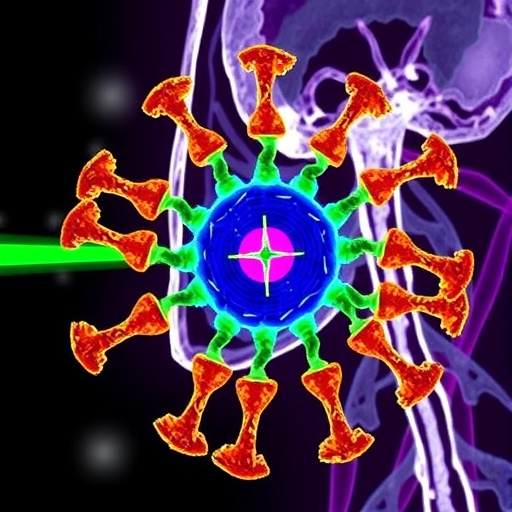
Recent breakthroughs in immunotherapy are reshaping the landscape of cancer treatment, particularly in addressing the challenge of immune evasion. A significant study led by Dr. C.P. Gan and colleagues investigates a pioneering cancer vaccine targeting nasopharyngeal carcinoma (NPC), a malignancy closely associated with the Epstein-Barr virus (EBV). This research could mark a transformative shift in therapeutic strategies for NPC, a cancer known for its ability to evade immune detection.
The essence of the study focuses on the vaccine’s ability to restore Major Histocompatibility Complex class I (MHC-I) molecules on the surface of cancer cells. MHC-I is crucial for the immune system's recognition of abnormal cells. In a healthy immune response, MHC-I functions like a flag, alerting cytotoxic T cells to the presence of cancerous cells. However, NPC often employs sophisticated mechanisms to downregulate MHC-I expression, making it difficult for the immune system to detect and eliminate these malignant cells. The innovative vaccine developed in this study aims to reverse this immune evasion strategy.
To achieve this, the research team delved into the transcriptional regulation of NLRC5, a pivotal protein involved in MHC-I expression. By enhancing NLRC5 activity within NPC cells, the vaccine effectively reinvigorates MHC-I expression, allowing T cells to recognize and target malignant cells once again. This targeted approach not only highlights the vaccine's potential efficacy but also underscores the necessity of understanding complex cellular signaling pathways in developing advanced cancer therapies.
During the preclinical phase, Gan et al. conducted a variety of in vitro and in vivo experiments to validate the vaccine’s mechanism of action. They assessed various NPC cell lines to evaluate the expression levels of MHC-I following vaccination. The results revealed a significant upregulation of MHC-I expression post-vaccination, showcasing the vaccine’s ability to counteract the immune evasion tactics employed by NPC.
Moreover, the researchers found that the re-expression of MHC-I led to enhanced activation of CD8+ T cells, which are essential for mounting an effective immune response against tumors. This indicates a dual-action mechanism of the vaccine: it not only restores MHC-I expression but also amplifies the activation and proliferation of T cells, fostering a robust anti-tumor immune response.
The implications of these findings stretch beyond nasopharyngeal carcinoma. The strategies employed by Gan et al. could potentially be applied to other malignancies that utilize similar immune evasion tactics. By elucidating the role of NLRC5 in MHC-I regulation, the research team lays the groundwork for a broader understanding of how immunotherapies can be tailored to enhance anti-tumor immunity across various types of cancers.
Crucially, this study accentuates the importance of investigating the molecular underpinnings of immune evasion in cancer. As cancers evolve and develop resistance to conventional therapies, a deeper understanding of these mechanisms becomes vital. The vaccine’s approach to overcoming immune suppression through the restoration of MHC-I expression represents a promising pathway for future research and development.
The findings also propel the conversation around personalized medicine, where treatments can be customized based on the unique molecular characteristics of a patient’s tumor. As immunotherapies continue to evolve, combining vaccines with existing therapeutic modalities may provide synergistic benefits, enhancing overall treatment efficacy and patient outcomes.
Through rigorous analyses and experimental validations, Gan et al. have presented compelling evidence that their novel cancer vaccine addresses the immediate challenges posed by nasopharyngeal carcinoma while also advancing the broader field of cancer immunotherapy. The potential for this vaccine to integrate with other treatment modalities reinforces the significance of multidisciplinary approaches in oncology.
As research progresses towards clinical trials, evaluating the safety and efficacy of the vaccine in human subjects will be critical. Clinical trials are essential for determining the real-world applicability of such innovative therapies, and ongoing support for research in this area will be crucial.
In summary, the groundbreaking work of Gan et al. offers hope for patients suffering from nasopharyngeal carcinoma, illustrating a novel mechanism to overcome immune evasion. The restoration of MHC-I through NLRC5 provides a blueprint for future research and underscores the importance of targeting fundamental pathways involved in tumor immunity.
This study encapsulates the essence of modern cancer research, where interdisciplinary knowledge and innovative technologies are vital in unlocking new treatment paradigms. The progress achieved by Gan et al. bodes well for future advancements and the relentless pursuit of improved cancer therapies.
As more researchers build upon these findings and delve into the implications of NLRC5 in a broader context, there exists the potential not just for improved survival rates but for a fundamental shift in cancer treatment approaches, paving the way for a new era of personalized cancer care.
Subject of Research: Nasopharyngeal carcinoma immune evasion and restoration of MHC-I expression through NLRC5 regulation.
Article Title: Cancer vaccine overcomes immune evasion of nasopharyngeal carcinoma by restoring MHC-I through transcriptional regulation of NLRC5.
Article References: Gan, C.P., Kok, S.Y., Lee, B.K.B. et al. Cancer vaccine overcomes immune evasion of nasopharyngeal carcinoma by restoring MHC-I through transcriptional regulation of NLRC5. J Transl Med 23, 1414 (2025). https://doi.org/10.1186/s12967-025-07418-x
Keywords: Nasopharyngeal carcinoma, cancer vaccine, immune evasion, MHC-I, NLRC5, immunotherapy, cytotoxic T cells, personalized medicine.
Newport Student Shocks Community by Earning Exclusive Governor’s Scholar Honor—What’s Next?

2025 Shock: Why Gurugram and Noida's Real Estate Boom Could Leave You in the Dust!

Is the NBA’s Bold New Plan the End of Tanking? Discover the Shocking Stakes Behind It!
You Won't Believe What Happens When Your Request Gets Denied – The Shocking Consequences Exposed!

Unlocking the Secrets: Karan Gupta Reveals 5 Shocking Truths Founders Must Know NOW!

New York's Shocking Smartphone Ban: 3 Surprising Ways It's Impacting Your Life NOW!
You might also like: