
2025 Shock: Why Gurugram and Noida's Real Estate Boom Could Leave You in the Dust!

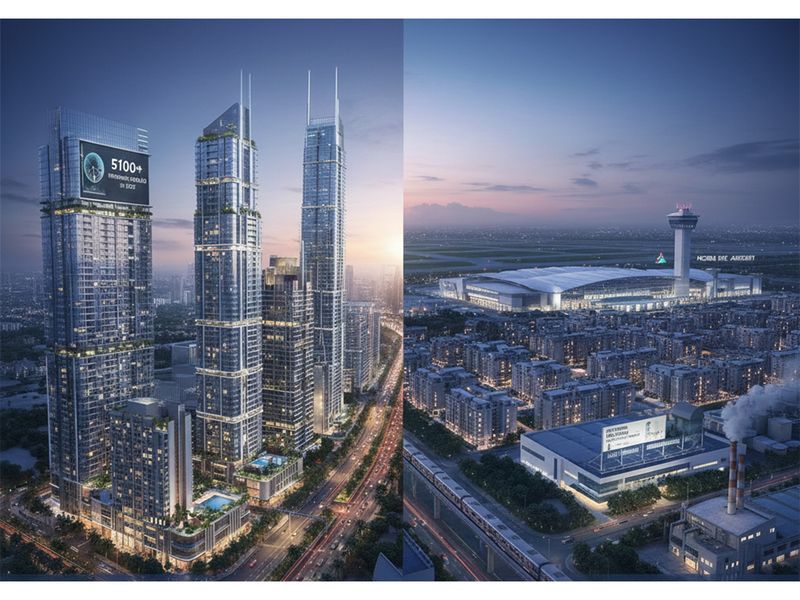
As 2025 draws to a close, the real estate landscape of the National Capital Region (NCR) in India has significantly evolved, exhibiting a more balanced and robust performance compared to the volatility of previous years. Notably, two distinct markets—Gurugram and Noida-Greater Noida—have emerged as the strongest pillars of this revival, each leveraging its unique strengths to drive growth.
Data from the first half of 2025 indicates that the Delhi-NCR region recorded over 5,100 luxury home sales, with Gurugram accounting for the majority of these premium transactions. This surge in demand can be attributed largely to a shifting preference towards lifestyle-oriented homes, which prioritize well-being and environmental quality over mere aesthetics. In contrast, Noida-Greater Noida has demonstrated steady growth through key infrastructural developments, including the progress on the Noida International Airport and expanded metro connectivity, which have enhanced the appeal of these areas for both residents and investors.
Sahil Agrawal, CEO of Nimbus Group, emphasizes a significant shift in buyer priorities, stating, "As we close 2025, one reality stands out clearly—the environment is no longer a peripheral concern; it is the new luxury." He suggests that urban planning and real estate development must focus on health and air quality, with an emphasis on creating spaces abundant in clean air and green areas. Looking ahead to 2026, Agrawal argues that the stakeholders—including developers, governments, and citizens—must collectively pursue greener urban practices to shape healthier, sustainable cities.
Echoing this sentiment, Dr. Gautam Kanodia, Founder of KREEVA and the Kanodia Group, notes a pronounced change in the luxury market dynamics within Gurugram. He observes that rather than generalized preferences, buyers are now focusing on specific micro-markets, such as SPR and New Gurugram, which are benefiting from significant infrastructure upgrades and improved accessibility. This concentrated demand is driven by the desire for well-planned, spacious developments that offer long-term value and a sense of community.
Umang Jindal, CEO of Homeland Group, further highlights the unique advantages that Gurugram possesses—strong luxury housing demand, global connectivity, and visible infrastructural progress. He points out that buyer discussions in 2025 have matured, with families and investors considering factors like livability and community planning, rather than merely focusing on price. This shift, he asserts, is fueled by sustained wealth creation and employment growth in the region.
The real estate sector overall has experienced a strong performance in 2025, particularly in developing corridors, which have become key drivers of growth. The luxury segment in Gurugram has played a crucial role, supported by changing lifestyle preferences and higher disposable incomes. Improved connectivity has made previously overlooked areas more attractive to luxury buyers.
Additionally, data from Prop Equity indicates a year-on-year increase in residential sales value across leading Tier-II cities in the first quarter of 2025, reflecting significant participation from end-users and first-time investors. This trend positions Tier-II markets not merely as spillover areas but as essential contributors to the evolving real estate cycle in NCR.
Looking ahead, Sehaj Chawla, Managing Director of TREVOC Group, anticipates continued growth in India's real estate sector. He notes that the demand for luxury residential spaces is not confined to metro cities but is also rising in Tier-II cities adjacent to NCR. He predicts that 2026 will further stimulate these developments, particularly if the Reserve Bank of India (RBI) maintains its proactive approach to interest rates, potentially boosting the sector.
On the commercial front, 2025 marked a pivotal year for NCR's retail real estate. Harinder Singh Hora, Founder Chairman of Reach Group, reports that gross leasing reached nearly 3.2 million sq. ft. in the third quarter alone. This growth was propelled by rising demand for organized retail as consumers increasingly gravitate toward structured, experience-led shopping environments. Trends indicate a stronger focus on location, visibility, and tenant curation in retail developments, with mixed-use projects becoming more popular.
In the coming years, the NCR market is poised for a more segmented and mature phase, as Gurugram, Noida, and Tier-II cities develop sharper roles and clearer demand drivers. This evolution not only reduces volatility but also fosters a deeper, more sustainable real estate market across the region.
Is the NBA’s Bold New Plan the End of Tanking? Discover the Shocking Stakes Behind It!
You Won't Believe What Happens When Your Request Gets Denied – The Shocking Consequences Exposed!

Unlocking the Secrets: Karan Gupta Reveals 5 Shocking Truths Founders Must Know NOW!

New York's Shocking Smartphone Ban: 3 Surprising Ways It's Impacting Your Life NOW!

You Won't Believe What This Senior Dog Did Before His Shocking Bedtime Routine!
Are Algeria's Rare Oaks Facing Extinction? Shocking Climate Change Facts Revealed!
You might also like: