
Is 2025 the Year Climate Change Turns Our Wild into a Wasteland? Shocking Effects Inside!

As climate change accelerates, its effects on wildlife and ecosystems have become starkly evident. The year 2025 marked several unprecedented events that highlight how animals are adapting to a warming planet, raising questions about humanity's ability to keep pace with these rapid changes. From the emergence of disease-carrying mosquitoes in Iceland to increased human-animal conflicts in Japan, the interplay between climate dynamics and wildlife behaviors is reshaping the natural world and impacting human lives.
One of the most striking developments occurred in Iceland, where for the first time in recorded history, mosquitoes were discovered in late October. Historically, Iceland has been one of only two mosquito-free zones on Earth, alongside Antarctica. The presence of banded mosquitoes, a hardy Palearctic species, was attributed to an unprecedented spring heatwave, with temperatures exceeding 20°C for ten consecutive days and peaking at a record 26.6°C in May. Although these mosquitoes are not known to carry diseases, their arrival signals a profound ecological transformation in the Arctic, which is warming four times faster than the global average. Meanwhile, across Europe, the Egyptian mosquito—an established vector for dengue, chikungunya, and Zika viruses—has also begun spreading, with eggs found in the UK for the first time this year, raising alarms about potential endemic outbreaks.
In Japan, the rising temperatures have led bears to migrate into urban areas, resulting in an alarming increase in bear attacks. In Akita Prefecture, where the rugged mountains meet agricultural lands, more than 100 individuals have been injured, and at least 13 fatalities have occurred due to bear encounters since April. Experts attribute this trend to disrupted food cycles; poor yields of acorns and beech nuts, staple foods for bears, have driven them into closer proximity to human habitats, while warmer winters are delaying their hibernation periods.
In the United States, the black vulture population has surged in the Midwest, previously a rare sight. The population in Missouri alone jumped from 14,000 in 2015 to over 21,000 in 2021. These federally protected birds have begun attacking weak or newborn calves, causing significant losses for livestock farmers in Kentucky and Missouri. The growth in vulture numbers is linked to warmer winters and habitat loss in their southern ranges, creating new challenges for farmers who find themselves unable to cull these birds without a permit.
Elsewhere, in India, the intertwining of climate change and human health has manifested in a growing crisis of snakebite fatalities. New research highlights that the habitats of the country’s “big four” venomous snakes are shifting closer to human settlements due to rising temperatures and erratic rainfall patterns. The World Health Organization has warned that the changing climate could exacerbate the risk of snakebites, which already claim up to 60,000 lives annually in India alone. The chances of emergency room visits for snakebites increase by approximately 6 percent for every 1°C rise in temperature.
Another significant trend observed in 2025 is the alteration of whale migration patterns in Australia. According to scientists at the University of Queensland, the annual southward migration of humpback whales now peaks three weeks earlier than it did two decades ago. This shift is thought to be caused by a warming Southern Ocean, which has led to a decrease in sea ice and, consequently, krill availability—the primary food source for these whales. Similarly, blue whales in Sri Lanka have been observed moving further offshore during heavy rainfall years, further complicating their feeding habits.
Climate change has also resulted in tragic consequences for elephants across South and Southeast Asia. In Kerala, nine elephants perished in flash floods this year, while over 100 elephants had to be evacuated from a flooded sanctuary in Thailand. The loss of these majestic creatures, particularly the critically endangered Sumatran elephants, is grave, with conservationists warning that heavier rainfall and deforestation are further fragmenting their habitats.
In South Asia, the Bengal tiger population faced increased human conflict due to habitat loss exacerbated by climate stressors. In India’s Mysuru district, three fatalities from tiger attacks occurred within a single month, compelling authorities to suspend safaris in major reserves. Rising sea levels in the Sundarbans are submerging mangrove forests, forcing tigers into closer contact with human settlements. A habitat modeling study from Nepal predicts that tiger habitats could expand by over 80 percent by 2050 under moderate climate scenarios, albeit largely outside protected areas, escalating the risk of human-tiger conflict.
Meanwhile, the threat of locusts proliferated in North Africa and Eastern Europe, where swarms devastated crops and threatened food supplies. The UN Food and Agriculture Organization has linked this surge to warming temperatures and heavy rains that create ideal breeding conditions for desert locusts, leading to significant agricultural losses in regions such as Ukraine.
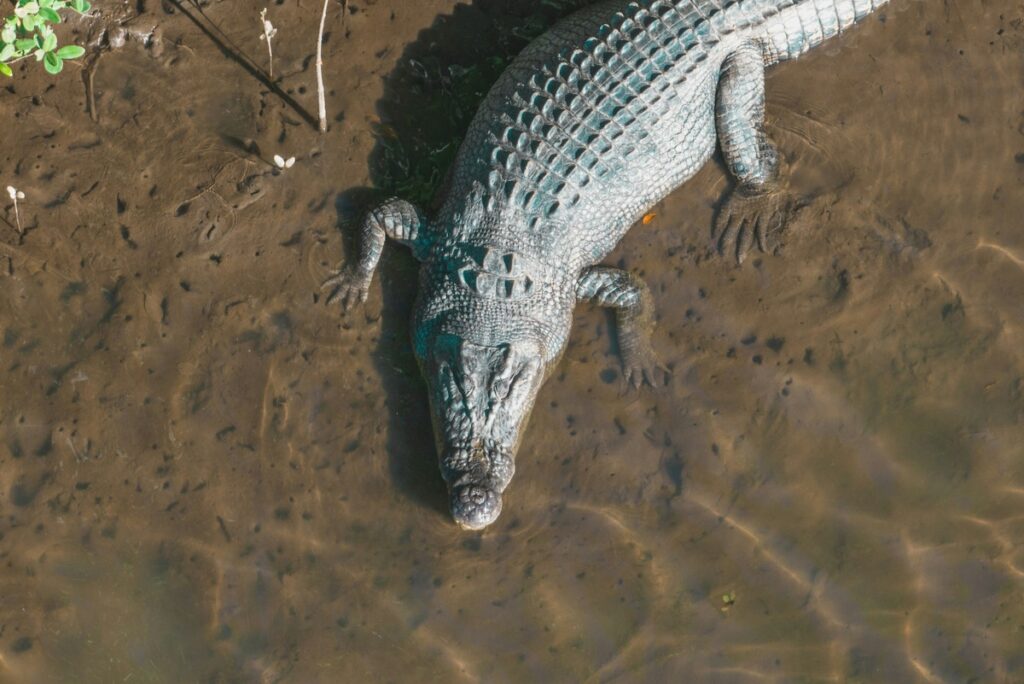
In Australia, estuarine crocodiles are also feeling the effects of climate change, struggling to manage their body temperatures as average ambient air temperatures rise. A 15-year study revealed that these apex predators are spending more time near their critical thermal limits, resulting in declines in their hunting effectiveness. Wildlife guides report significantly fewer sightings during peak heat, a troubling sign for these already vulnerable reptiles.
Finally, the delicate balance of ecosystems is further threatened by the decline of pollinators. A study published in *Frontiers in Plant Science* warns that wild vanilla species may soon lose their natural pollinators due to shifting rainfall and temperature patterns, with potential overlaps shrinking by as much as 90 percent under projected climate scenarios. This “phenological mismatch” threatens the survival of up to 87 percent of flowering plants globally, underscoring the far-reaching implications of climate change on biodiversity.
The events of 2025 serve as a stark reminder that climate change is more than just an environmental issue; it is reshaping ecosystems, economies, and human lives in profound ways. As the planet continues to warm, the question remains: can humanity adapt quickly enough to keep pace with these rapid and often perilous changes?
White House’s Shocking New Military Orders: What Happens to Venezuela’s Oil Could Change Everything!

Balen Shah's Shocking Election Strategy: Will He Win or Lose Everything on March 5?

Can the Broncos Shock the Chiefs on Christmas? Live Updates & Jaw-Dropping Highlights Inside!

Is Your 3pm Snack Sabotaging Your Health? Discover the Shocking Truth That Could Change Everything!

This Startup's Shockingly Simple Waste Solution Could Save 1 Billion Tons Annually—Are You Missing Out?

Billionaire's Shocking Tax Fraud Exposed: You Won't Believe the $1 Billion Settlement Details!
You might also like: