
This Startup's Shockingly Simple Waste Solution Could Save 1 Billion Tons Annually—Are You Missing Out?

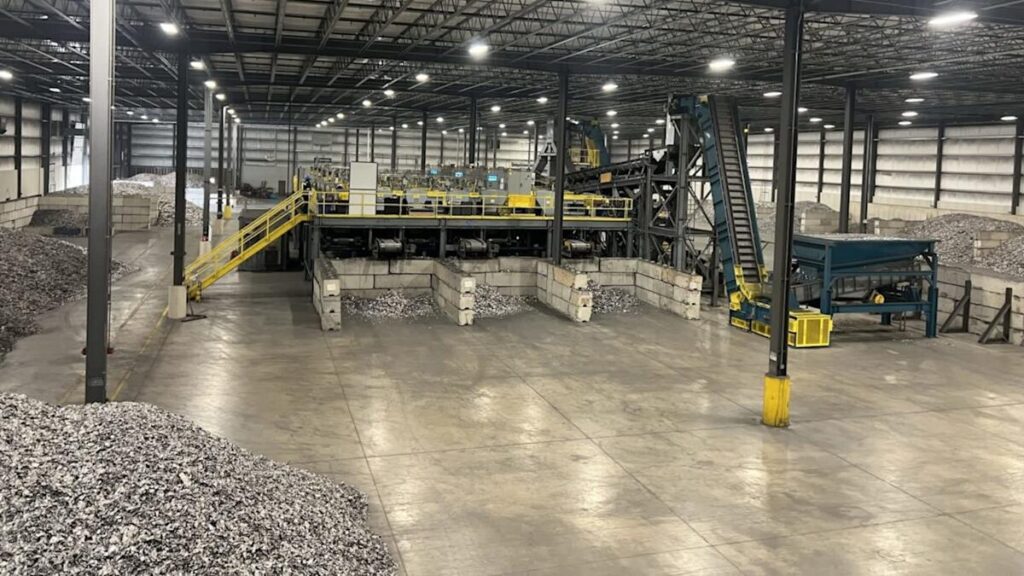
Aluminum is a versatile and powerful material, particularly valued for its capacity to be recycled continuously without losing quality. One Indiana-based startup, Sortera, is dedicated to revolutionizing the recycling process, making it not only more efficient but also more beneficial for both manufacturers and the environment. According to TechCrunch, Sortera is set to expand its operations with a new facility in Tennessee, supported by a recent funding round that secured $45 million.
Founded in 2023, Sortera specializes in upcycling metal waste, particularly aluminum, into materials that can be directly utilized in new manufacturing processes. The company employs advanced technologies, including artificial intelligence and high-precision sensors, to sort mixed aluminum scrap with over 95% accuracy. Unlike traditional recycling plants, Sortera's process does not require melting the aluminum first, which can be time-consuming and energy-intensive. This innovation not only speeds up the recycling process but also enhances the quality of the recycled materials.
"Creating novel high purity recycled (and upcycled) metal feedstocks from existing scrap streams enables the domestic supply of metals and alloys ready for use for high-quality domestic manufacturing, boosting the strength of the circular economy,"
Sortera states on its website. This vision highlights the company's commitment to supporting sustainable manufacturing practices, particularly in the booming automotive sector, where more manufacturers are increasingly turning to recycled metals for new vehicle production.
Most of the aluminum processed by Sortera comes from old vehicles, underscoring the automotive industry’s role in recycling efforts. Aluminum’s unique property of being infinitely recyclable makes it essential to establish efficient recycling systems to meet growing demand. As vehicles become lighter and manufacturers strive for greater sustainability, the need for reliable sources of recycled aluminum will only increase.
Sortera’s CEO, Michael Siemer, expressed enthusiasm about the expansion, stating,
"This expansion allows us to significantly increase our capacity and establish a presence closer to many of our key customers—particularly in the automotive sector—further streamlining supply chains and enhancing our service capabilities."
This move not only strengthens Sortera’s operational footprint but also positions the company strategically within a critical industry as it aims to bolster the domestic supply of recycled metals.
Despite the significant potential for recycling and upcycling manufacturing waste to mitigate environmental impacts, the industry has historically faced challenges in attracting sufficient attention and funding for sustainable innovations. Sortera is aiming to change this narrative by demonstrating the effectiveness and efficiency of modern recycling methods. The company sees its progress as part of a broader movement toward enhancing the circular economy, which advocates for reducing waste through continual reuse of materials.
As the conversation around sustainability gains traction across various sectors, the role of companies like Sortera will be pivotal. By harnessing technology to improve the recycling process, they are not only making strides for the environment but also for the future of manufacturing in the United States. This kind of innovation could ultimately help reduce pollution and conserve natural resources, creating a more sustainable economy for generations to come.
In summary, Sortera is at the forefront of a transformation in the recycling industry, with its advanced sorting technology and commitment to sustainability. The company’s expansion into Tennessee marks a significant step towards increasing capacity and meeting the rising demand for recycled aluminum, especially in the automotive sector. As the push for a greener future continues, Sortera exemplifies how technology can enable more efficient and effective recycling processes, contributing to a stronger circular economy.
Billionaire's Shocking Tax Fraud Exposed: You Won't Believe the $1 Billion Settlement Details!

Colorado's Housing Market Just Crashed—What This Means for Buyers May Shock You!

Stanford PhD Dropouts Under 30: How Carina Hong and Demi Guo Are Disrupting Tech—And Why You Need to Know Now!

You Won't Believe These 8 "Luxury" Brands Are Actually Middle-Class Fakes – Find Out Why!

This Mind-Blowing Cyberdeck Turns Your Old Smartphone Into a $1,000 Tech Marvel—Find Out How!

Shocking Revelations: What the Apalachee High School Shooter's Mental Health Exam Could Uncover!
You might also like: