
Florida College Sports Panel’s Shocking Proposal: Will Your Favorite Teams Face Major Changes?

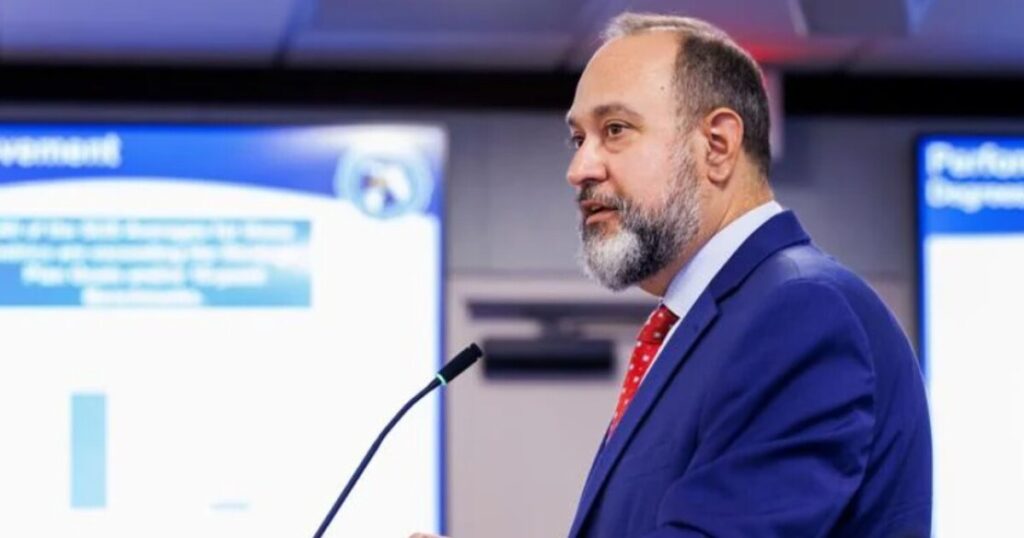
In a significant move for the world of college athletics, student-athletes in Florida may soon see a portion of their earnings from name, image, and likeness (NIL) deals placed into a professionally managed trust. This proposal comes from a state panel focused on the evolving landscape of collegiate sports, which has undergone dramatic changes since NIL agreements became permissible following a federal settlement with the National Collegiate Athletic Association (NCAA) in 2021.
Ken Jones, chairman of the State University System’s Task Force on Intercollegiate Athletics, emphasized that the trust proposal is one of several potential solutions aimed at stabilizing what he described as an increasingly transactional system. During a meeting at the University of South Florida, Jones remarked, “Building such a (trust) model could help stabilize what is currently an increasingly purely transactional system.”
The panel is actively exploring various regulatory measures, including increased oversight of agents representing collegiate athletes, restrictions on transfers between schools, and the possibility of exempting schools from federal antitrust laws to shield them from potential lawsuits regarding compensation. This comes amid a shifting economic environment, particularly after the Big 12 Conference recently secured a staggering $500 million private equity deal with RedBird Capital Partners and Weatherford Capital. Notably, the University of Central Florida is part of the Big 12.
Rob Higgins, CEO of Athletics at the University of South Florida, highlighted the necessity for transparent financial arrangements with agents. “There are a lot of bad actors out there. There are some really great agents as well that represent everybody's best interests,” he stated. He also recommended that the state collaborate with local associations or agencies that assist student-athletes in maximizing their NIL opportunities, from promoting businesses to enhancing their personal brands.
Addressing the panel, University of Florida Men’s Basketball Coach Todd Golden underscored the importance of including non-revenue sports in any discussions about NIL. He expressed concern about the rapid influx of individuals transitioning from unrelated fields, such as barbers or trainers, into NIL representation, motivated by the potential for a 10- to 15-percent fee off student-athletes, many of whom may not need such services.
Golden also cautioned that imposing Florida-specific regulations on agents could negatively impact recruitment, as agents might seek higher earnings from institutions outside the state. Amy Hass, Deputy Athletic Director at the University of Florida, stressed the importance of dialogue among student-athletes, administrators, and coaches, noting that many stakeholders are stuck in a nostalgic mindset, longing for the “good old days” of college sports.
These discussions are also taking place in the context of a broader dialogue initiated by former President Donald Trump, who met with various stakeholders, including Florida Governor Ron DeSantis, on March 6. Following that meeting, Trump signed an executive order on April 3 that urged the NCAA to set strict participation limits and create a national registry for agents involved in NIL activities. This order also called for measures to ensure sustainable revenue sharing for women's and Olympic sports, with the threat of federal funding withdrawals for non-compliance.
Recently, U.S. Senator Ashley Moody from Tampa announced intentions to draft legislation supporting Trump’s proposals. “We cannot sit back while college sports become unregulated professional free agency in a university jersey,” Moody asserted, emphasizing concerns about the age disparities among athletes competing at the collegiate level. The NCAA is expected to address age eligibility issues in the upcoming summer.
Interestingly, some student-athletes have expressed a desire to remain in school longer, as NIL deals often yield higher earnings than they would receive as professional athletes. Jones noted that various levels of regulations would emerge from different governing bodies, including schools, the state Board of Governors, the legislature, and potentially Congress and the courts. However, he cautioned that immediate assistance from Congress on this matter is unlikely. “College athletics, while incredibly important to the economy and to student life in this country, is probably not going to rise to the top of the list of things for the (U.S.) House or the Senate to consider in our lifetime,” he remarked.
In light of these developments, Ray Rodrigues, Chancellor of the State University System, suggested that interstate compacts could be a viable pathway forward, given that Florida institutions belong to conferences spanning multiple states. Additionally, Peter Collins, Chairman of the Board of Trustees at Florida State University and co-founder of Forge Capital Partners, indicated that the university system's Board of Governors and the Florida Legislature could implement measures to ensure that Florida schools remain competitive, particularly as they grapple with a decade-long freeze on tuition increases.
As the landscape of college athletics continues to evolve, the proposals and discussions emerging from Florida's task force may significantly impact how student-athletes navigate NIL opportunities and the overall regulatory framework governing college sports.
This Israeli Startup’s ‘Automation Therapy’ Could Save You From Stress—Here’s How!

Adrianna Hallenbeck's Shocking Move to St. Peter’s Health: What This Means for Your Healthcare!
Election Officials Urge: Your Ballot Could Be DISQUALIFIED If You Don’t Drop It Off NOW!
Greg Steube's Shocking Re-Election Move in CD 17: What This New Map Means for YOU!
This CEO's Shocking Leadership Model is Transforming Athletics—Will Your Favorite Team Survive?
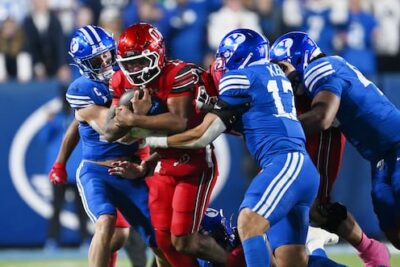
BYU and Utah's Shocking Rankings Revealed: Are They Set for a Fall or Rise in 2023?
You might also like: