
New York's Shocking Smartphone Ban: 3 Surprising Ways It's Impacting Your Life NOW!

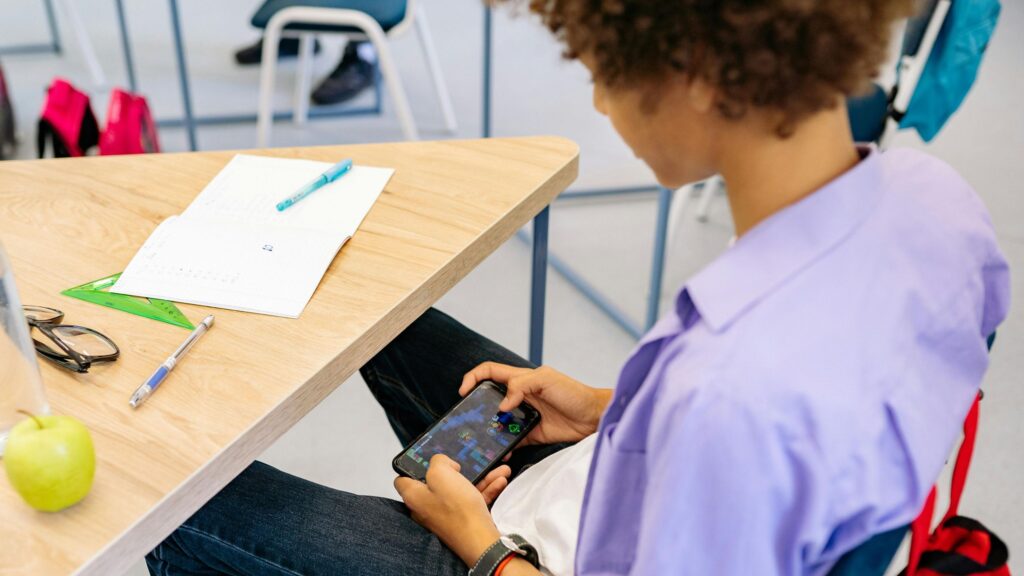
In a bold move aimed at enhancing focus and social interaction, New York City has implemented a far-reaching smartphone ban across its public schools for the 2025-26 academic year. Prohibiting students from using or carrying their phones during school hours, the policy sought to foster more engaged classrooms. However, the initial results have revealed an unexpected and concerning trend: many students are struggling with basic tasks that were once second nature, raising questions about their growing dependence on digital devices.
Reports from schools indicate that the ban has indeed led to some positive outcomes, such as students engaging more with one another during breaks and exhibiting improved punctuality. Teachers have noted that students are less distracted and able to focus more on lessons. However, these benefits come with a significant caveat. As students navigate life without their smartphones, they are encountering a startling reality—they often cannot read traditional analogue clocks. This once standard skill seems to have faded among many students, who have become accustomed to digital displays.
In numerous instances, educators have reported students asking where the "big hand" and "little hand" are on clocks. In some cases, students have been unable to tell time at all when faced with non-digital formats. This revelation has prompted schools to reevaluate parts of their curriculum. Some teachers are emphasizing the importance of teaching students how to read analogue clocks to help them regain this essential skill.
The inability to tell time on analogue clocks serves as a striking reminder of how deeply embedded smartphones have become in the everyday lives of young people. The Children and Screens Institute has suggested that this phenomenon may not just reflect a cognitive downgrade but could also indicate a shift in the skills that students are acquiring. While students may struggle with analogue clocks, they demonstrate strong digital capabilities—often assisting teachers with technology-related tasks. This raises critical questions: Should education systems prioritize foundational skills that were once standard, or is it acceptable for technology to replace those functions?
Interestingly, the issues brought to light by the smartphone ban in New York are not isolated. Australia has embarked on a ground-breaking initiative of its own, imposing a sweeping ban on social media for users under the age of 16. Effective December 2025, this policy mandates that major platforms such as Facebook, Instagram, TikTok, Snapchat, and YouTube prevent children younger than 16 from creating or maintaining accounts. Companies that fail to comply face substantial fines, a clear indication from the Australian government that digital wellbeing is now a national priority.
The Australian policy is fueled by growing concerns regarding the mental health and safety of adolescents in an era of unregulated social media use. Research initiatives like the Connected Minds Study by the Murdoch Children's Research Institute are actively monitoring the impact of this ban on screen time and overall wellbeing among young people. The findings from this study are expected to shed light on whether such restrictive measures can yield meaningful benefits for mental health and social behavior.
As educational institutions in both New York and Australia grapple with the implications of these digital restrictions, it becomes increasingly evident that the integration of technology in education must be navigated carefully. While the benefits of reduced distractions in classrooms are clear, the potential loss of fundamental skills and daily competencies presents a complex challenge. The outcomes of these policies could serve as a pivotal case study for other regions examining their own approaches to technology in education.
Ultimately, as society continues to evolve alongside technology, it’s vital for educators, parents, and policymakers to engage in robust discussions regarding the balance between digital learning and the retention of essential life skills. The unfolding narratives in New York and Australia highlight a growing awareness that while technology can enhance learning, it may also impede the acquisition of basic competences that are crucial for independent living.
You Won't Believe What This Senior Dog Did Before His Shocking Bedtime Routine!

Are Algeria's Rare Oaks Facing Extinction? Shocking Climate Change Facts Revealed!
Your Browser is at Risk: 5 Shocking Reasons You MUST Upgrade Now or Face Serious Consequences!

Discover the Shocking Tech Secrets of 2025! Are You Prepared for What’s Coming?
You Won't Believe What AOL and Yahoo Are Hiding About Their Shocking Family Ties!
iPhone 16 Shockingly Surges to #1 in India – What This Means for Other Brands!
You might also like: