
You Won’t Believe Which Major Stars Are Dramatically Rebranding—And Who’s About to Crash and Burn!

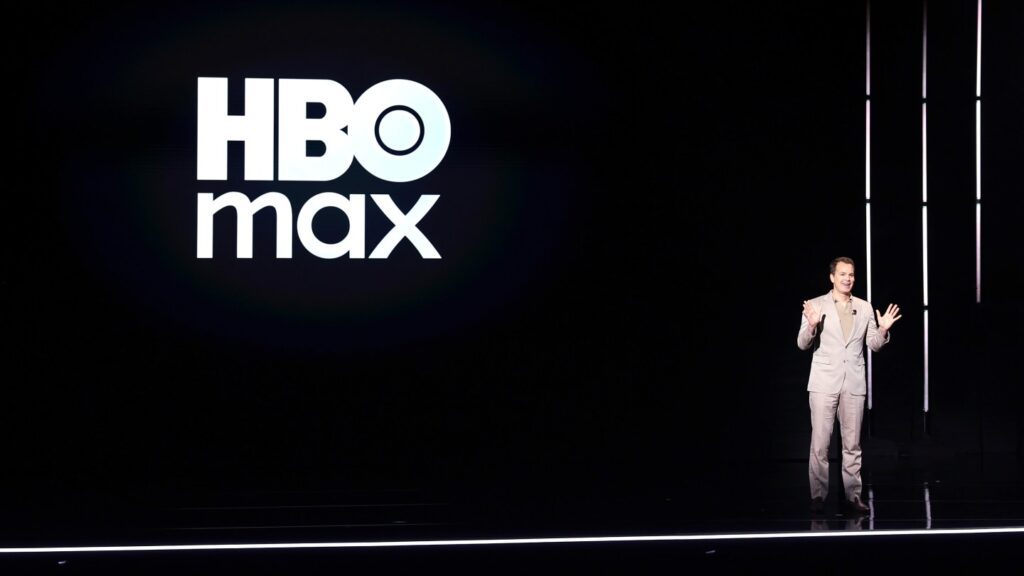
In a surprising turn of events, Casey Bloys, the executive in charge of HBO and its streaming platform Max at Warner Bros. Discovery (WBD), announced during the company's upfront presentation in May that Max would once again be called HBO Max. The name change is part of a broader strategy shift, signaling a critical reevaluation of the platform's offerings and identity.
With a touch of humor, Bloys remarked, “I know you’re all shocked, but the good news is I have a drawer full of stationery from the last time around,” eliciting laughter from the audience. This light-hearted comment belied the seriousness of the decision, which reflects the challenges faced by WBD in the competitive streaming landscape. Initially, Max was intended to be a formidable competitor to Netflix, incorporating the unscripted programming from Discovery and premium scripted content from HBO. However, the integration did not meet expectations, leading to this latest pivot.
In a November statement, Bloys expressed a clear understanding of the current streaming environment, stating, “[Netflix] is the basic cable of today, and in today’s world, consumers still want to add to their entertainment portfolio with must-have truly unique programming that only we can deliver.” He pointed out that research indicated consumers are seeking out HBO originals, high-quality films, and elevated documentaries, rather than the broader, more diluted offerings that had been introduced with Max. “We just came back from trying to offer too much, so we are trying to be very specific in what people value from us, and want from us,” Bloys added.
This decision to revert to HBO Max represents a significant shift in strategy for WBD, highlighting the company’s attempt to streamline content offerings and refocus on the brand's core strengths. In an era where streaming services are proliferating, it’s crucial for platforms to carve out distinct identities. HBO has long been synonymous with high-quality, award-winning content, a reputation that may have been diluted during the Max transition.
As streaming services vie for viewers' attention, this move may signal a larger trend within the industry. Companies that once sought to mimic the expansive libraries of competitors like Netflix are now recognizing the value of focused, premium content. By reembracing the HBO brand, WBD aims to reestablish its identity in the increasingly crowded streaming market.
The rebranding to HBO Max also reflects a broader industry trend where streaming platforms must prioritize quality over quantity. As consumer preferences shift, content providers are forced to rethink their strategies to ensure they meet audience demands for unique and engaging programming. For HBO, this means leaning into its legacy of producing critically acclaimed series and movies, aiming to offer viewers a more curated and enriching viewing experience.
As WBD navigates this transition, the implications for viewers are clear: expect a return to the high-caliber content that made HBO a household name. While the streaming wars are far from over, this pivot may well position HBO Max to reclaim its standing as a leader in premium entertainment.
Shocking Truth: 70% of Female University Students in Bangladesh Are Ignorant About HPV Risks!

You Won't Believe How 5 Christian Artists Are Shattering Charts and Changing Pop Forever!

Why This Rising Star Chose Activism Over a Governor Run—and What It Means for South Dakota!

You Won’t Believe What Pigg Learned in 46 Years of Faith and Family—The Shocking Truth Will Leave You Speechless!

Samsung's Shocking 'Wide Fold' Design Could Outshine Apple's iPhone Fold – Are You Ready for 2026?
US Sanctions 5 European Power Players: What They're Hiding About Big Tech's Future!
You might also like: