
US State Department Drops Bombshell: 50 Honduran Election Officials’ Visas Revoked—What Happens Next?

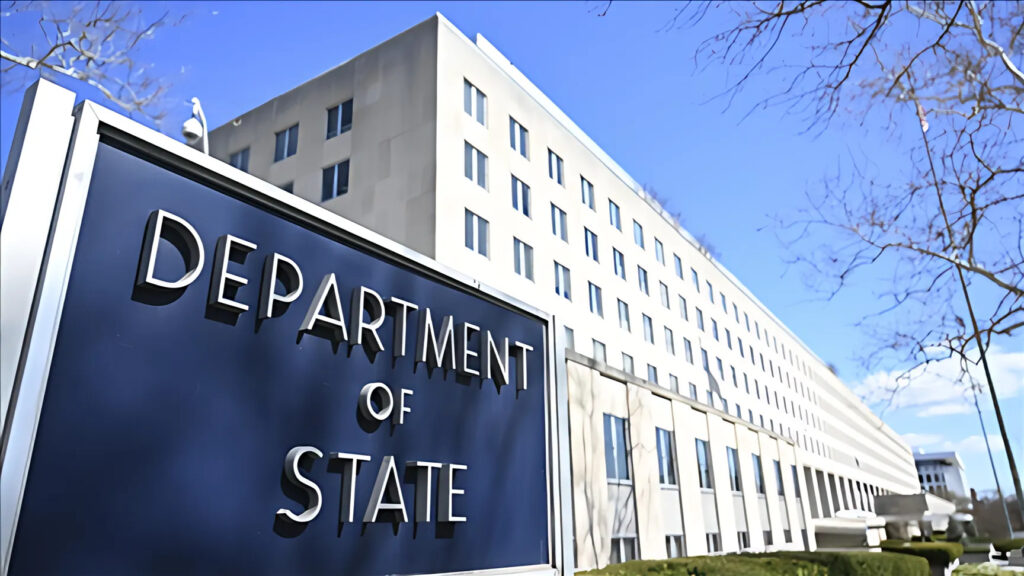
The US Department of State has taken a significant step by revoking visas for two senior Honduran electoral officials, citing their alleged involvement in undermining the democratic process during the recent presidential election in Honduras. This decision, announced on Friday, ties into broader concerns regarding regional security and the integrity of electoral processes in Central America.
The officials affected by this visa action are Mario Morazán, head of Honduras’ electoral court, and Marlon Ochoa, a member of the National Electoral Council. Both individuals are affiliated with the governing LIBRE (Liberty and Refoundation) party, which has faced accusations of hindering the post-election vote count that has left the nation without an official winner nearly three weeks after the election held on November 30, 2025.
According to the State Department, Morazán's visa was revoked under INA § 221(i), which allows for visa revocation at the discretion of the Secretary of State at any time post-issuance. Ochoa’s visa application was denied under INA § 212(a)(3)(C), a provision that renders a foreign national inadmissible if their entry is believed to pose potential risks to US foreign policy. The Department is also considering restrictions against another unnamed individual involved in these matters.
The gravity of this situation extends beyond individual sanctions, as the Department of State framed the issue as a matter of national security. In its public statement, it asserted that the US “will not tolerate actions that undermine our national security and our region’s stability.” This warning not only highlights the importance of free and fair elections in Honduras but also underscores how US foreign policy is closely intertwined with the democratic processes of its Central American neighbors.
The legal framework surrounding these visa actions is particularly noteworthy. The authorities invoked are seen as some of the most discretionary tools available within the US immigration system. Under the doctrine known as consular nonreviewability, the actions taken by the State Department are generally insulated from scrutiny by US courts, allowing for immediate travel restrictions without the extensive procedural protections typically required in criminal cases or economic sanctions.
This means that the US government can impose swift and impactful measures against foreign officials without revealing the full details of the allegations against them. The implications of this are significant; not only do these visa revocations have immediate impacts on the individuals involved, but they also carry reputational consequences that can influence political dynamics in Honduras and the region. The electoral integrity in Central America has become a focal point, especially as countries grapple with political instability and corruption.
As the situation unfolds, it remains to be seen how these sanctions will affect the political landscape in Honduras. With the electoral process under scrutiny and accusations flying, the US’s actions may serve as a bellwether for how it engages with Central American nations moving forward. The revocation of visas underscores the urgency of addressing democratic backsliding in the region and the role international actors play in supporting or challenging those dynamics. The actions taken by the US may encourage other countries to reassess their diplomatic stances and give renewed focus to the importance of electoral integrity.
In summary, the actions of the US Department of State signal a strong stance against perceived anti-democratic behaviors in Honduras. As the electoral fallout continues, the broader implications for regional stability and US foreign policy will be closely watched by both American and Honduran observers alike.
Oklahoma State’s Shocking Win: How Anthony Roy's 22 Points Changed Everything! You Won't Believe the Drama!

This Startup Just Raised $50 Million—But Here's Why Experts Are Terrified!
Trump's Shocking Plan for a Self-Serving White House Ballroom—You Won’t Believe Why He’s Doing It!

Trump's Secret $50 Billion Housing Plan Revealed: Will You Be Left Out in the Cold?

Poll Reveals 78% of Americans Fear Losing Healthcare by 2026—Are You Prepared?
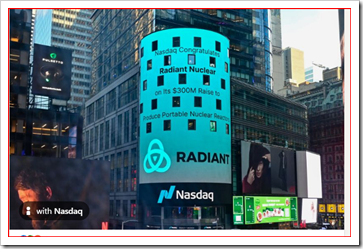
You Won’t Believe What Radiant’s Shocking $300 Million Nuclear Breakthrough Means for Your Future!
You might also like: