This Startup Just Raised $50 Million—But Here's Why Experts Are Terrified!

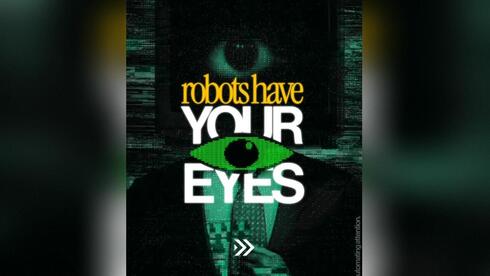
In an era where the boundaries between authentic human interaction and artificial content are increasingly blurred, a new startup named Doublespeed is taking this phenomenon to a troubling level. Backed by the influential venture capital firm Andreessen Horowitz (a16z), Doublespeed operates physical “phone farms” to circumvent algorithms on platforms like TikTok and offers AI-driven astroturfing services designed to sway public opinion. This venture has not only sparked controversy but also placed Marc Andreessen, a key figure in Silicon Valley, in a precarious conflict of interest.
Doublespeed, which has secured $1 million in funding from a16z through an expedited investment program for early-stage startups, is pioneering a contentious approach to social media engagement. The company manages thousands of AI-operated social media accounts intended to create artificial “buzz.” This service, known as astroturfing, gives the illusion of organic public support when, in reality, it is a carefully orchestrated campaign.
📰 Table of Contents
The Digitization of Influence Operations
The shift towards digital influence operations has accelerated significantly over the past decade. Historical examples, like the Russian Internet Research Agency (IRA), which played a role in the 2016 U.S. election, and Chinese “Spamouflage” campaigns, illustrate how state and criminal entities have leveraged technology to manipulate public discourse. Now, with the advent of Doublespeed, this once-exclusive domain is available to a variety of organizations—from major cosmetics brands to religious institutions—allowing them to engage in similar tactics.
Doublespeed’s strategy employs sophisticated techniques designed to evade detection on social media platforms. In contrast to the rudimentary bots of previous years, the company utilizes “phone farms”—thousands of physical devices running apps that mimic regular users. These operations not only produce content but also adapt and learn from user interactions, optimizing posts in real time based on what resonates with audiences.
A hacker who managed to breach Doublespeed’s systems provided insights into its operational framework, describing a remote-access infrastructure akin to conventional cloud services. “I could see the phones in use, the ‘managers’ [computers controlling the smartphones], which TikTok accounts were assigned, and the pending tasks,” the hacker revealed. This kind of access raises questions about potential exploitation and the integrity of the social media platforms involved.
According to the company, about 95% of content generation is handled by artificial intelligence, with only a small fraction requiring human input for final touches. One of the co-founders, Zuhair Lakhani, disclosed that a client was able to amass an astonishing 4.7 million views within a month using merely 15 fake accounts. This rapid engagement highlights the effectiveness and concerns surrounding such automated systems.
The cost of these services, which operate on a subscription model, is surprisingly low given the potential for reach. A basic plan is available for $1,500 per month, while the premium option, costing $7,500, allows for the creation of up to 3,000 posts monthly. These rates are certainly within reach for organizations with substantial marketing budgets, making the temptation to manipulate public perception rather enticing.
What sets Doublespeed apart is its ability to generate numerous variations of the same content, testing different formats to identify what algorithmically succeeds. This method not only accelerates influence cycles but also poses a significant risk to the authenticity of discourse online.
The Meta Connection
The ethical implications of Doublespeed’s operations become even more complicated when considering its investors. Marc Andreessen, who leads the fund backing the company, is also a board member at Meta (the parent company of Facebook, WhatsApp, and Instagram). This dual role raises serious ethical questions about the responsibility of one of Silicon Valley's most influential figures in fostering technology that directly undermines the principles of authenticity on social media platforms.
While platforms like Reddit have publicly stated that Doublespeed’s services violate their terms of use, giants like Meta and TikTok have yet to respond officially. However, the broader implications for these companies are clear: the activities of Doublespeed threaten their ongoing efforts to maintain user trust and authenticity in the digital age. The company primarily targets TikTok but has plans to expand its services to other platforms, including X (formerly known as Twitter) and Instagram.
It’s worth noting that while Doublespeed is not the only player in the field of automation, its business model aligns more closely with traditional “click farm” operations, albeit with a modern twist—leveraging artificial intelligence for speed and efficiency. Unlike legitimate automation tools like Zapier and Make, which rely on human-generated content, Doublespeed's approach embodies a potent and concerning evolution in the realm of digital marketing and influence.
As the dynamics of online engagement continue to evolve, the emergence of companies like Doublespeed raises critical questions about the very nature of influence, authenticity, and the ethical responsibilities of both investors and platforms in maintaining the integrity of public discourse.
Trump's Shocking Plan for a Self-Serving White House Ballroom—You Won’t Believe Why He’s Doing It!
Trump's Secret $50 Billion Housing Plan Revealed: Will You Be Left Out in the Cold?

Poll Reveals 78% of Americans Fear Losing Healthcare by 2026—Are You Prepared?

You Won’t Believe What Radiant’s Shocking $300 Million Nuclear Breakthrough Means for Your Future!

You Won't Believe the 5 Shocking RSV Trends of 2025 - #3 Will Leave You Speechless!
You Won't Believe What Phil Murphy Reveals About His Shocking NJ Governor Years!
You might also like: