
Unlock the Shocking Connection Between Your Sleep Schedule and Heart Health—Are You Ignoring This Fatal Mistake?

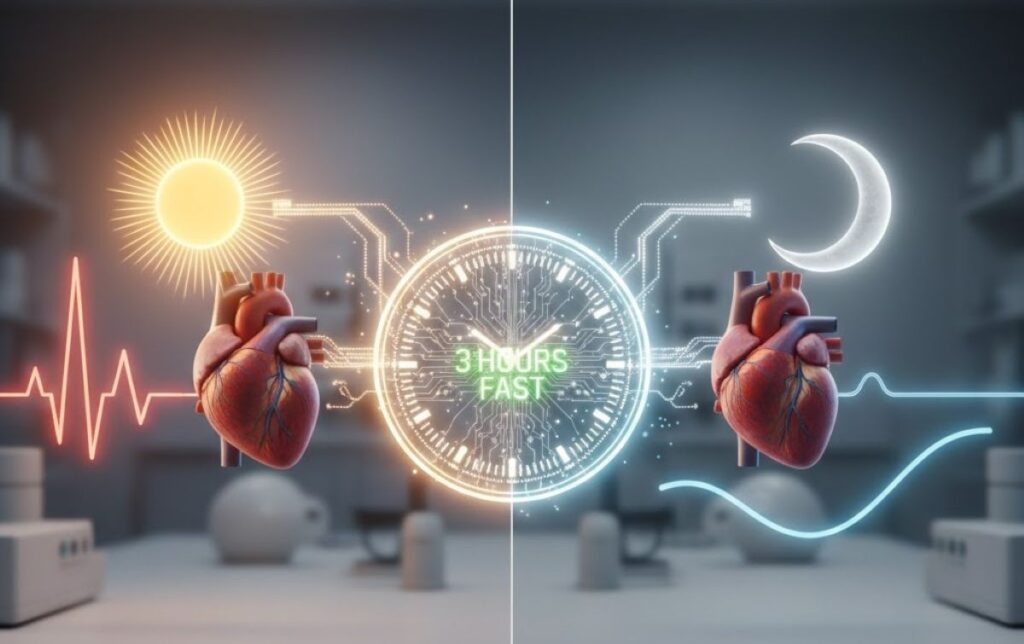
A recent study from Northwestern University has highlighted the importance of not just what we eat, but when we eat, especially in relation to our sleep patterns. This research, published in the journal Arteriosclerosis, Thrombosis, and Vascular Biology, suggests that aligning our eating schedules with our natural circadian rhythms can lead to significant improvements in cardiovascular and metabolic health.
The findings indicate that individuals who ceased food intake at least three hours before bedtime experienced notable benefits, including improved nighttime blood pressure and heart rate variability, all without reducing their overall caloric intake. The concept, referred to as “sleep-anchored” fasting, emphasizes that the timing of food consumption can play a crucial role in health outcomes.
Dr. Daniela Grimaldi, research associate professor of neurology at Northwestern University Feinberg School of Medicine, explained, “Timing our fasting window to work with the body’s natural wake-sleep rhythms can improve the coordination between the heart, metabolism, and sleep, all of which work together to protect cardiovascular health.” This statement underscores the growing recognition of the interplay between sleep and dietary habits.
The study involved 39 participants aged between 36 and 75, all of whom were overweight or obese and at greater risk for cardiovascular issues. Those in the intervention group extended their overnight fasting from a habitual 11-13 hours to 13-16 hours, while both groups dimmed lights three hours before sleeping. The results were striking:
- Nighttime Blood Pressure and Heart Rate: Participants who finished eating earlier showed a 3.5% reduction in nighttime blood pressure and a 5% drop in heart rate. These changes reflect a healthier day-night physiological pattern, which is crucial for cardiovascular resilience.
- Improved Metabolic Response: Daytime blood sugar control improved significantly, with participants experiencing better pancreatic responses to glucose challenges, again without altering their dietary intake.
- High Adherence Rate: Remarkably, the study reported a 90% adherence rate, suggesting that this method of utilizing sleep as a guide for fasting might be a more feasible lifestyle change compared to traditional calorie restriction.
The implications of these findings are particularly important given that, as of 2018, only 6.8% of U.S. adults maintained optimal cardiometabolic health. Poor cardiometabolic health can lead to chronic conditions such as type 2 diabetes, non-alcoholic fatty liver disease, and cardiovascular diseases. Thus, adopting a strategy that takes into account our natural biological rhythms may offer a sustainable approach to improving health outcomes, especially for middle-aged and older adults.
Dr. Phyllis Zee, director of the Center for Circadian and Sleep Medicine at Feinberg, commented, “It’s not only how much and what you eat, but also when you eat relative to sleep that is important for the physiological benefits of time-restricted eating.” This expanded understanding of eating patterns emphasizes that a more nuanced approach could yield better health results.
As the study’s authors prepare to refine their methods and move toward larger, multi-center trials, the potential for a simple yet effective lifestyle intervention remains a promising avenue for health improvement. Such findings encourage individuals to consider not just the contents of their plates but also the timing of their meals as a strategic factor in their health journey.
In conclusion, the connection between food intake timing and health outcomes presents a compelling case for re-evaluating conventional dietary practices. By anchoring our eating habits to our sleep cycles, not only can we enhance our cardiovascular and metabolic health, but we may also pave the way for more sustainable and manageable lifestyle changes.
India's AI Boom: Can It Shift the Global Balance? Tech Titans Reveal Shocking Secrets Before Summit!
Warning: Popular Snack Bars Recalled After Shocking Illness – Are Yours Affected? Find Out Now!
Urgent Recall: Millions of Rabies Vaccines from Sept. 29-Jan. 8 Linked to Alarming Health Risks!
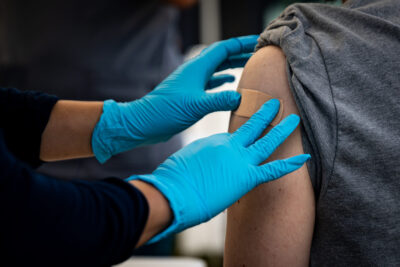
Measles Cases Skyrocket by 300%! Are You Putting Your Family at Risk by Not Vaccinating?

You Won't Believe What Happened at the Sold-Out Green Machine Gala—Olpe Fitness Park's Future at Stake!

You Won't Believe This Animal Clinic Is Giving Away FREE Vaccines—But Only for 24 Hours!
You might also like: