Shocking Discovery: How One University’s Model Could Predict Measles Outbreaks—Are You at Risk?

In late 2014, Disneyland became the backdrop for a significant public health crisis in California, as a measles outbreak spread rapidly. The theme park, renowned for attracting millions of visitors from around the globe, became a vector for the disease, particularly among children who had not been vaccinated. This outbreak marked the largest occurrence of measles in California in two decades, resulting in numerous hospitalizations and heightened public concern.
In response to the escalating crisis, then-state Senator Richard Pan, a pediatrician by profession, introduced a controversial bill in early 2015 aimed at removing personal exemptions to California's vaccination requirements. These exemptions had allowed children to attend schools without receiving necessary vaccinations. By this time, the outbreak had impacted at least 125 individuals across California, as well as in six other states, and even crossed borders into Mexico and Canada.
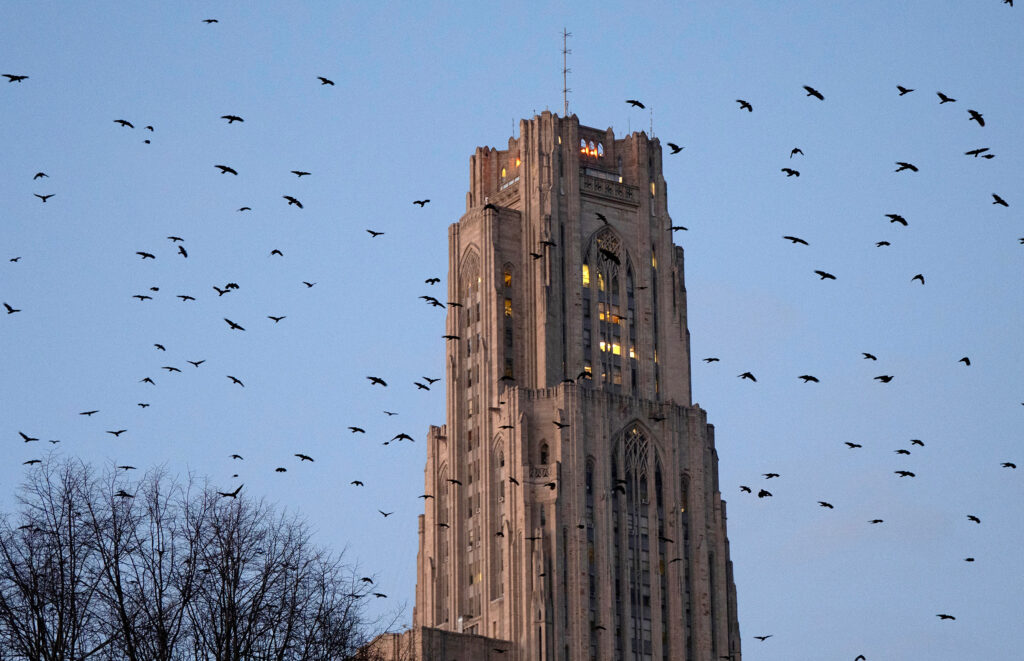
Senator Pan's push for the bill faced significant opposition, with intense protests from groups advocating for personal freedom over health mandates. To bolster his legislative efforts, he enlisted a research team from the University of Pittsburgh, which was utilizing advanced computer simulations to model viral outbreak patterns. This groundbreaking approach, known as the FRED model—Framework for Reconstructing Epidemiological Dynamics—integrated extensive data including vaccination rates, population density, and commuting patterns to depict the potential trajectory of the disease with alarming clarity.
Dr. Pan stated, “FRED made it real,” underscoring how the research helped convince lawmakers to pass the unprecedented legislation, which stripped away personal exemptions for vaccinations, allowing only medical exceptions. This marked a historic shift; it was the first time in nearly 30 years that a state had eliminated such exemptions. Following the bill's passage, California’s measles vaccination rate increased by over three percentage points to 96%, surpassing the threshold needed for herd immunity. “We haven’t had a measles outbreak that large since,” Dr. Pan noted.
In the years following the Disneyland outbreak, the Pitt team expanded their modeling efforts to other major cities like Houston, Indianapolis, New York, and Miami, advising policymakers on how to prepare for future public health emergencies. In 2018, the Pitt researchers were once again called upon, this time to analyze vaccination rates in Texas, leading to warnings of a potential outbreak. Their simulations highlighted vulnerable areas where school vaccination rates had plummeted, setting the stage for a significant public health threat.
The team generated numerous simulations, illustrating how a single measles case could trigger widespread contagion. These warnings culminated in the Texas legislature successfully blocking a 2019 bill aimed at easing vaccine exemptions for parents, yet the lack of proactive measures resulted in a severe measles outbreak in 2025. This outbreak affected over 800 individuals and resulted in the tragic deaths of two children, with the majority of cases occurring in west Texas. The Pitt researchers had accurately forecasted these vulnerabilities based on their analyses.
Dr. Mark Roberts, a leading figure in the Pitt research team, expressed concern over the missed opportunities for preventative action, stating, “If we presented the maps we created with a map of what happened in court, we’d be declared guilty of predicting this.”
Modeling Public Health Risks
While the FRED model proved instrumental in forecasting outbreaks, experts caution against its limitations. Like any predictive model, FRED operates on a set of assumptions, such as population interactions and accurate vaccination rates. During the COVID-19 pandemic, for instance, the model struggled to account for unprecedented social changes, including lockdowns and remote work, which disrupted traditional transmission patterns.
Even within the Texas measles outbreak, while the model identified areas of high vulnerability, it failed to pinpoint the rural counties where the outbreak ultimately became concentrated. The origins of the FRED model can be traced back to 2001, led by Dr. Donald Burke, former dean of Pitt’s School of Public Health. Initially designed to predict the potential spread of smallpox in the wake of 9/11, it has since evolved into a versatile tool for public health planning.
Initially backed by a $13.4 million grant from the National Institutes of Health, FRED received additional funding from organizations such as the Gates Foundation. As funding slowed in recent years, the team transitioned to a private company, Epistemix, to continue developing the model despite not yet turning a profit. The company’s CEO, John Cordier, mentioned ongoing negotiations for a $20 million funding round to bolster its financial stability.
Beyond measles, the FRED team has expanded its forecasting tools to cover a wider array of public health issues, including predicting respiratory illnesses in the aftermath of environmental disasters. In a significant public health outreach initiative, the team launched the online U.S. Measles Simulator, allowing users to visualize how outbreaks could unfold in various cities based on local vaccination rates.
As ongoing challenges related to vaccine hesitancy persist, researchers are increasingly called upon to demonstrate the potential consequences of declining vaccination rates. In simulations conducted in Pennsylvania, the FRED team found that schools with low vaccination coverage could trigger outbreaks that would impact hundreds of individuals. For example, in a Montgomery County private school where fewer than two-thirds of kindergarten students were vaccinated, a single measles case could lead to 430 infections within months.
The situation in Texas serves as a cautionary tale, showing that political inaction in response to scientific predictions can have dire consequences. Dr. Roberts remains concerned about the implications of low vaccination rates, emphasizing that “more children will be susceptible” to preventable diseases. As public health experts continue to navigate the complexities of vaccination policy, the lessons learned from past outbreaks reinforce the critical need for proactive measures in safeguarding community health.
You Won't Believe How the Raiders' Shocking Win Changes Everything for High School Soccer!
You Won't Believe What Could Happen If We Hit Just 2 Degrees of Global Warming—The Shocking Consequences Revealed!

Korea’s Climate Crisis: Why 70% of Citizens Are Ignoring the Urgent Call to Action!

You Won't Believe How Long These TWO "One-Time" Factors Can Impact Your Life! Find Out Now!
Access Denied: Why 90% of People Are Being Locked Out of Their Own Accounts!

Marvel's Epic Twist: 5 Iconic Heroes Swap Superpowers for Soccer! Will They Succeed?
You might also like: