
Shocking Decline: 70% of Israeli Butterflies at Risk—What This Means for Our Ecosystem!

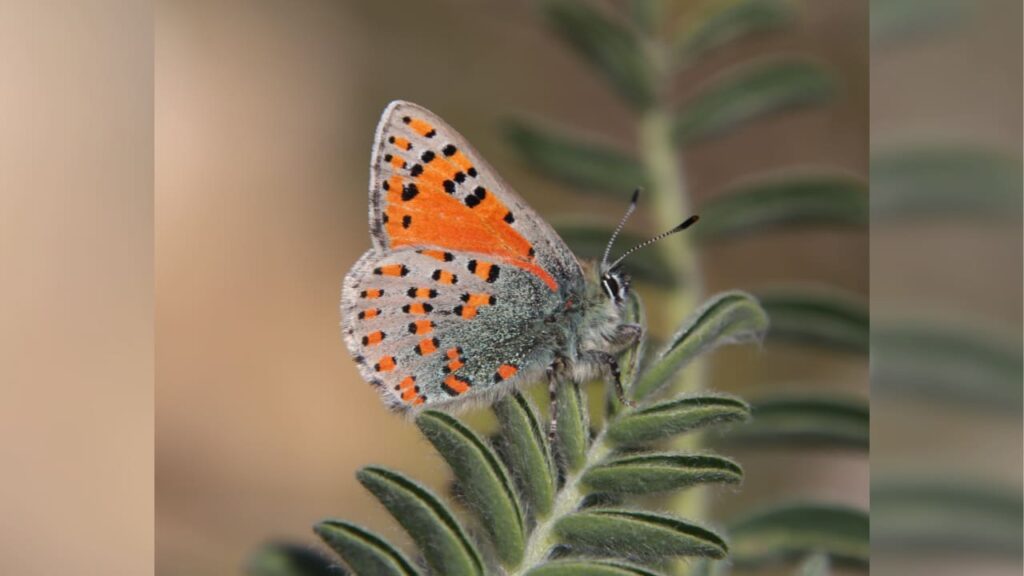
The plight of butterflies in Israel has taken a concerning turn in recent decades, underscored by a new report from the Israel Nature and Parks Authority (INPA). The report coincided with Tu B’Shvat, the Jewish holiday celebrating trees, which fell on February 2 this year. In collaboration with Tel Aviv University, the Butterfly Enthusiasts Association, and the INPA, the KKL-JNF published the first Red Book for butterflies in Israel. This extensive document highlights the serious threats butterflies face in the region.
The Red Book outlines key factors contributing to the decline of these vital pollinators: habitat loss, pesticide use, invasive species, wildfires, light pollution, and climate change. Of the 156 butterfly species documented in Israel, troubling statistics reveal that three species have become extinct, 12 are critically endangered, 23 are endangered, and 22 are classified as having a threatened future. Only 63 species—about 40%—are currently deemed not at risk, while there is insufficient data on the remaining 33 species to ascertain their status.
Dr. Dotan Rotem, an open space ecologist at INPA and the leader of the Red Book project, emphasized the importance of butterflies as indicators of ecosystem health. He stated, "Today's butterflies are excellent bioindicators of the health of the ecosystem. Harming them is a warning sign of broader harm to nature.” This assertion underscores the interconnectedness of species within ecosystems and highlights how the decline of one group can signal wider environmental issues.
Understanding the Red Book's Significance
The Red Book serves as a critical conservation tool, documenting rare, endangered, and extinct species across various ecosystems in Israel. It aims to inform conservation priorities, directing efforts toward protecting habitats and species at risk. According to Dr. Rotem, "The Red Book is not just a scientific summary, but an applied tool for setting conservation priorities: identifying high-value habitats, guiding planning policy, and intelligent management of open spaces.”
One of the central findings of the INPA’s report is that habitat loss stands as the foremost threat to butterflies in Israel, primarily driven by accelerated construction and infrastructure development. Dr. Rotem points out that "Israel is warming at a faster rate than the global average, and many butterfly species are here at the southern limit of their distribution—a situation that increases their vulnerability." Each year, approximately 18 square kilometers of natural areas are destroyed in Israel, marking one of the highest rates of habitat destruction in the developed world.
While the report paints a concerning picture, it is worth noting that not all news is dire. Some butterfly species have shown improvement in their population statuses over the past decade. This progress can be attributed to better conservation strategies and habitat management efforts, as well as the accumulation of new data that aid in monitoring these species.
Dr. Rotem concludes that the Red Book for butterflies serves as a wake-up call, emphasizing that "preserving butterflies is not just about preserving beauty and color, but about the stability and health of the ecosystems on which we all depend." This sentiment reverberates through the scientific community, highlighting the urgency of addressing environmental threats to ensure the survival of these intricate and beautiful creatures, which are crucial not only for biodiversity but also for the health of our planet.
The implications of the report extend beyond butterfly conservation; they reflect broader environmental trends that impact various species and the ecosystems they inhabit. As communities and policymakers consider development projects, the lessons learned from the butterfly crisis could serve as a critical guide for promoting sustainable practices that protect vulnerable species and their habitats.
The Secret Pie Shops in the South That Locals Don't Want You to Find Out About!

Congress's Shocking Move: Local Newspapers Get $10 Million Boost—What Happens Next Will Surprise You!

You Won't Believe What Happens When Runners Eat Pasta the Night Before Their Big Race!

You Won’t Believe What Happened When Five Drones Went to War—Autonomous Tech Takes a Shocking Turn!

Bella Hadid & Adan Banuelos: The Shocking Lifestyle Clash That Ended Their Romance! What Really Happened?
You Won't Believe What Happens When Access is Denied – This Shocking Truth Could Cost You!
You might also like: