
Samsung's Mind-Blowing Galaxy Z TriFold Just Dropped in South Korea—Is This the Future of Smartphones?

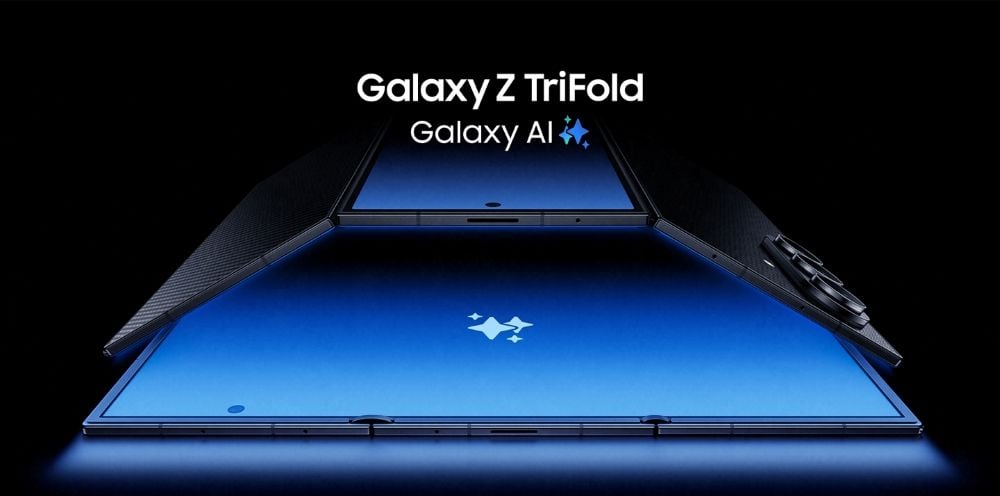
Samsung has made a bold leap in the foldable smartphone arena with the launch of its Galaxy Z TriFold on December 12, 2025, in South Korea. This innovative device, featuring two hinges and three display panels, marks a significant evolution in the company’s foldable technology, transforming from a compact 6.5-inch phone to a more expansive 10-inch tablet. With a price tag of approximately $2,500, the TriFold is poised to attract early adopters and tech enthusiasts who seek enhanced functionality in their devices.
The Galaxy Z TriFold boasts a 6.5-inch FHD+ Dynamic AMOLED 2X cover display, equipped with a 120Hz refresh rate for smoother visuals. Upon unfolding, users are greeted with a larger 10-inch QXGA (2160 x 1584) Dynamic AMOLED 2X interior screen, also running at 120Hz. This represents a substantial increase from the 8-inch panel found in the Galaxy Z Fold 7, emphasizing Samsung's commitment to elevating user experience and productivity through larger screen real estate.
At the heart of the TriFold is the Qualcomm Snapdragon 8 Elite for Galaxy processor, paired with a hefty 16GB of RAM, ensuring seamless multitasking and efficient performance. Users have the choice of either 512GB or 1TB storage configurations, catering to various usage needs. The device features an impressive camera setup, including a 200MP wide-angle main sensor, a 12MP ultra-wide lens, and a 10MP telephoto camera, allowing for versatility in photography.
With a weight of 309 grams and folded dimensions of 159.2 x 75.0 x 12.9mm, the TriFold is approximately one-third thicker than its predecessor, the Galaxy Z Fold 7, which measures 8.9mm. The device is powered by a three-cell 5,600mAh battery—1,200mAh more than the Fold 7—addressing concerns about battery life, especially given the larger display.
Samsung's pricing strategy places the TriFold at 3,594,000 won, translating to around $2,450. This positions it significantly above the Galaxy Z Fold 7’s starting price of $1,999. The company has also indicated that initial shipments will be limited, potentially leading to scarcity even after the launch, as evidenced by reports of early sales in South Korea selling out within minutes. Tech reviewers, including popular YouTubers like Mrwhosetheboss and SuperSaf, have provided positive feedback on the device, particularly highlighting the practicality offered by its extended display.
The Market Landscape
Industry analysts view the TriFold as a halo product, primarily targeting professionals and early adopters rather than the mass market. Its premium pricing and limited availability suggest it may appeal to those who can leverage the additional screen space for productivity, such as multitasking capabilities supported by Samsung's foldable software features, including app continuity and multi-window layouts. This allows users to create three-column desktop-style arrangements on the wider canvas, enhancing their ability to juggle multiple tasks simultaneously.
However, the TriFold's introduction is not without concerns. Early adopters have raised questions regarding the long-term durability of the hinges and battery performance, particularly under intensive usage as a tablet. The device’s power consumption, despite its larger battery, remains a focal point for potential buyers.
Samsung's rapid pace of innovation, following closely on the heels of the Galaxy Z Fold 7 and Z Flip 7 launches, underscores its ambition in the foldable smartphone segment. The TriFold represents a daring experimentation with form factors, moving beyond traditional book-style foldables and into new territory.
Looking ahead, the TriFold's market reception will be pivotal in gauging consumer interest in high-priced, multi-hinge devices. Its success might also influence competitors, including Apple, which is reportedly eyeing a foldable iPhone release in 2026. For American consumers, the anticipated U.S. launch in Q1 2026 coincides with the upcoming Galaxy S26 series, creating a buzz around Samsung's future offerings. Yet, potential buyers must remain vigilant for supply constraints that could mirror the initial launch experience in South Korea.
Is 2025 the Year We Face Catastrophic Heat? Shocking New Study Reveals Alarming Truth!

Is Your Smartphone AI Lying to You? Shocking Truth About Siri and Gemini Revealed!

Hawks' Bold Move: Are They About to Unleash a Future Superstar in This Shocking Draft Pick?

Are the Buckeyes, Hoosiers, and Ducks Destined to Crash the College Football Playoff? Shocking Stats Inside!

Is This the Silent Crisis No One Is Discussing? 5 Shocking Facts That Will Leave You Speechless!

Shocking Report: 2025 Sees Poor Communities Crippled by Climate Disasters—Are You Next?
You might also like: