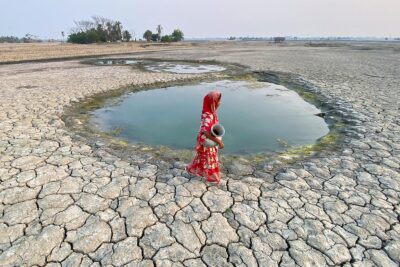
Is This the Silent Crisis No One Is Discussing? 5 Shocking Facts That Will Leave You Speechless!


Climate change is often regarded as one of the most pressing challenges facing our world today. However, a parallel crisis is quietly emerging: the rapid spread of digital technologies, termed Digital Climate Change. This phenomenon encapsulates the profound and often irreversible ways in which digital systems are influencing societies, economies, politics, and even the environment. While the term may be new, the implications of this transformation have been building for years.
Every day, billions of people create vast streams of data through their daily activities—whether they are working, shopping, or interacting online. Algorithms process this data to make predictions and decisions that affect both individual lives and larger societal structures. Governments rely on digital networks for essential services, while private companies gather and store extensive amounts of information. The neutrality of these systems is questionable; they reshape power dynamics, benefit some while disadvantaging others, and influence how societies respond to various pressures.
Pakistan exemplifies the complexities of this global shift, boasting over 190 million mobile subscribers and an increasing dependence on digital technologies. However, this rapid technological advancement brings significant risks. Digital inequality is profound, with many regions lacking access to reliable networks. Skills gaps are widening, and social media platforms can exacerbate fear, anger, and societal division. Pakistan is also vulnerable to cyber-attacks, data theft, and misinformation campaigns—pressures that can evolve silently but ultimately change the national landscape.
Scholars in international relations have long debated the influence of technology on power and order. Realists view digital systems as tools for states to gain strategic advantages, while liberals emphasize the potential for global cooperation and standardization. Constructivists focus on the role of ideas and norms in shaping digital interactions, whereas critical theorists caution against exploitation and widening inequality. What is clear is that digital technologies have become central to the global system.
The Gradual Crisis
The concept of Digital Climate Change recontextualizes this ongoing debate, framing digital transformation as a long-term, slow-moving crisis. Similar to environmental climate change, its effects may initially unfold gradually but can become disruptive over time. This phenomenon transcends international borders and creates a compounding impact, making it increasingly difficult to reverse once certain thresholds are crossed.
One significant concern regarding Digital Climate Change is the concentration of power. A select few companies control major digital platforms, cloud storage, and artificial intelligence technologies. These entities possess more data than many governments and influence societal norms without independent oversight. Scholars like Shoshana Zuboff, in her 2019 work, highlighted the emergence of “surveillance capitalism,” where personal experiences are commodified for profit. This trend not only undermines national sovereignty but also alters public life in ways that many may not fully comprehend.
Another critical issue is digital inequality. The gap between those who can access, understand, and utilize digital tools, and those who cannot, continues to grow. According to UNESCO, nearly half of the global population lacks meaningful internet access. This digital divide has significant repercussions for education, employment, political engagement, and social mobility. In Pakistan, rural communities, women, and low-income demographics face the steepest barriers to digital access.
Environmental impacts must also be considered within the context of Digital Climate Change. While digital systems may seem clean and invisible, they rely heavily on physical infrastructures that have substantial environmental footprints. Data centers consume enormous amounts of electricity, and electronic waste is increasing at an alarming rate. The Global E-Waste Monitor reported that the world generated 62 million tonnes of e-waste in 2022, much of which went unrecycled, adding further complications to the climate crisis.
Moreover, Digital Climate Change has altered human behavior in significant ways. Social media platforms reward rapid, emotional responses, reshaping how individuals engage with information and each other. This shift has contributed to rising polarization and declining trust, with studies from the Oxford Internet Institute indicating that digital misinformation campaigns can sway elections and manipulate public sentiment globally.
For Pakistan, the challenges presented by Digital Climate Change are both national and global. The nation must protect itself from cyber risks and manipulative digital practices while working to expand equitable access to digital tools. Additionally, it must develop institutions capable of effectively regulating technology and preparing future generations to navigate an increasingly intricate digital landscape.
However, the notion of Digital Climate Change is not merely a cautionary tale. It serves as a clarion call for rethinking policy and governance. Countries that recognize these risks early have the opportunity to shape more favorable outcomes. They can promote sustainable digital practices, tighten regulations around privacy and data rights, and foster innovation without compromising security or equality. Collaborative efforts to establish fair international digital standards can further enhance progress.
Pakistan possesses the talent and dynamism necessary to lead in this emerging field. Universities, think tanks, and journalists have pivotal roles in raising awareness about the implications of Digital Climate Change. The government can support research and foster digital literacy, while civil society can advocate for rights and accountability. The first step in addressing this evolving crisis is to name it and bring it into public discourse.
Digital Climate Change is not a distant threat; it is shaping our future right now, whether we acknowledge it or not. By understanding its complexities today, we can better manage its impacts tomorrow.
Shocking Report: 2025 Sees Poor Communities Crippled by Climate Disasters—Are You Next?

Top Developers Reveal the Shocking $500 Billion Wellness Real Estate Trend You Can’t Afford to Ignore!

iOS 26’s Fitness App: The THREE Game-Changing Upgrades You’ll Regret Ignoring in 2024!
ECU Health's 2025 Milestones: You Won't Believe What They Accomplished That Changed Lives Forever!

You Won't Believe How 8 Everyday Purchases Reveal You're Richer Than Your Parents! Find Out Now!

Are You Aware That 8 Daily Habits After 65 Could Secretly Be Making You 90% Younger? Find Out Now!
You might also like: