
Is 2025 the Year We Face Catastrophic Heat? Shocking New Study Reveals Alarming Truth!


A new report from World Weather Attribution (WWA) confirms that climate change, primarily driven by human activity and the burning of fossil fuels, has made 2025 one of the hottest years on record. Although slightly cooler than 2024, 2025 still ranks as the third hottest year globally, with only two other recent years recording higher average temperatures. This continues a troubling trend that raises questions about our ability to limit global warming to the 1.5°C threshold set by the Paris Agreement.
The WWA's findings reveal that for the first time, the three-year running average of global temperatures will exceed the 1.5°C warming goal relative to preindustrial levels. “Global temperatures remained very high and significant harm from human-induced climate change is very real,” the report states. It emphasizes that climate change is not a future threat but a present-day reality.
In analyzing 22 extreme weather events, including heatwaves, floods, storms, droughts, and wildfires, the researchers documented devastating impacts. These events have led to loss of life, destruction of communities, and significant agricultural damage. The stark outcomes serve as a reminder of the escalating risks of living in a warming world.
The report aligns with findings from United Nations experts, reiterating the alarming trend in rising global temperatures. WWA researchers noted that marginalized communities are disproportionately affected by climate change, as evidenced by their investigations into heavy rainfall events in the Global South. They found gaps in observational data, often relying on climate models primarily developed for the Global North, creating imbalances in the scientific understanding of climate impacts. This disparity mirrors broader social injustices within the climate crisis.
“If we don’t stop burning fossil fuels very, very quickly, it will be very hard to keep that goal” of 1.5°C, stated Friederike Otto, co-founder of WWA and a climate scientist at Imperial College London. The urgent need for action is echoed in the report's call for immediate transitions away from fossil fuels while investing in adaptation measures. Many adverse outcomes, such as fatalities from extreme weather, could be mitigated through timely interventions.
Recent incidents like Hurricane Melissa illustrate the limits of preparedness, particularly for smaller island nations. Even with high levels of readiness, these regions can suffer extreme losses and damages. This underscores the notion that adaptation alone is insufficient; rapid emissions reductions are essential to avert the worst consequences of climate change.
The WWA study's release comes on the heels of the recent United Nations Climate Change Conference (COP30) held in Brazil, which resulted in little substantive progress toward curtailing fossil fuel use. Margie Alt, director of the Climate Action Campaign, responded to the report, stating that “2025 was full of stark reminders of the urgent need to cut climate pollution, invest in clean energy, and tackle the climate crisis now.”
Alt criticized U.S. political leaders, particularly former President Donald Trump and Republican members of Congress, for adopting climate denial as policy and rolling back essential climate protections. “Their reckless polluters-first agenda attacked and undermined the very agencies responsible for helping Americans prepare for and recover from increasingly dangerous disasters,” she noted.
Calls for action are growing louder across the country as communities demand better protections from their leaders against the growing threats of climate change and extreme weather. It is becoming increasingly clear that addressing climate change is not just a matter of policy but a moral imperative for protecting vulnerable populations and ensuring a sustainable future for all.
Is Your Smartphone AI Lying to You? Shocking Truth About Siri and Gemini Revealed!

Hawks' Bold Move: Are They About to Unleash a Future Superstar in This Shocking Draft Pick?

Are the Buckeyes, Hoosiers, and Ducks Destined to Crash the College Football Playoff? Shocking Stats Inside!

Is This the Silent Crisis No One Is Discussing? 5 Shocking Facts That Will Leave You Speechless!
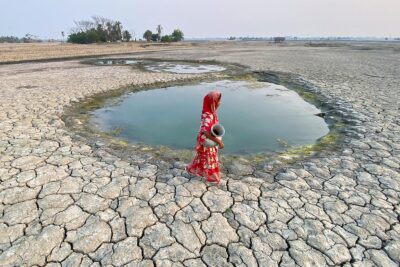
Shocking Report: 2025 Sees Poor Communities Crippled by Climate Disasters—Are You Next?

Top Developers Reveal the Shocking $500 Billion Wellness Real Estate Trend You Can’t Afford to Ignore!
You might also like: