
Putin’s Shocking $26 Billion Anti-Aging Vaccine: Will It Change Your Life Forever?

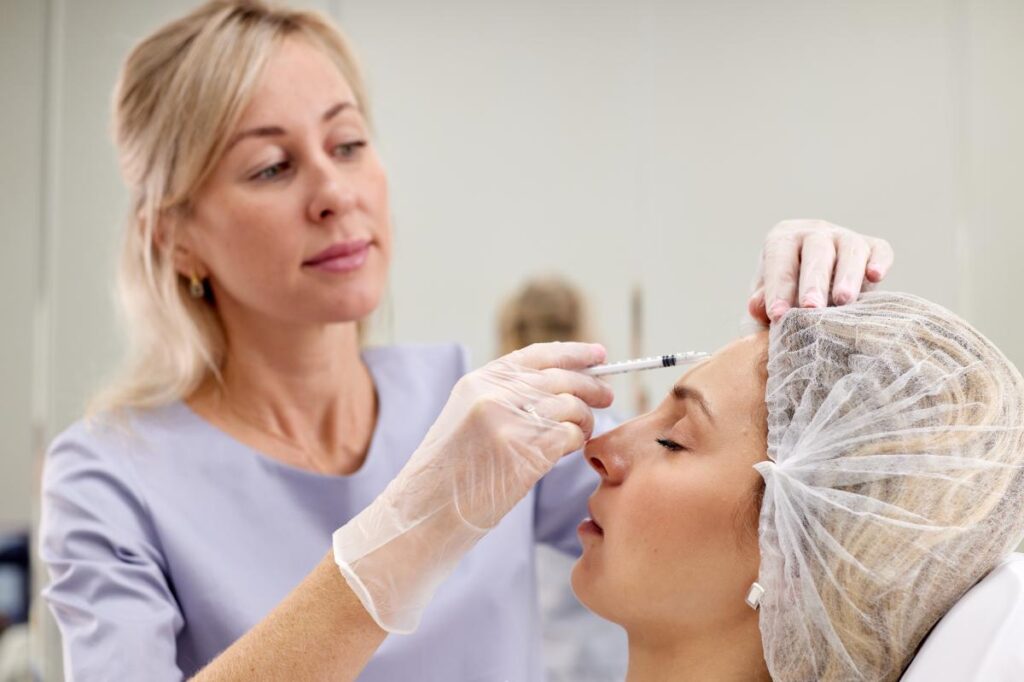
In a bold move that echoes his longstanding obsession with longevity, Russian President Vladimir Putin has announced plans to fund the development of what is being touted as the “world’s first” anti-aging vaccine. This initiative is part of a larger health project, with a staggering budget of over 2 trillion rubles—equivalent to more than $26 billion—aimed at addressing the country’s troubling population decline.
At 73 years old, Putin’s fixation on youth and vitality is well-documented. The average life expectancy for men in Russia is just 67 years, significantly lower than the 76.5 years seen in the United States. This stark contrast underlines the urgency of addressing health and longevity in a nation grappling with a declining birth rate and rising mortality rates.
According to Denis Sekirinsky, Russia’s Deputy Minister of Science, researchers are focusing on a gene therapy that targets the RAGE (Receptor for Advanced Glycation Endproducts) pathway, a cellular mechanism linked to biological aging. Sekirinsky detailed this groundbreaking work at a recent conference in Saransk, stating that blocking this receptor could potentially slow the aging process or even pause it entirely.
Russia’s plans are ambitious: if successful, the anti-aging vaccine could become available to the public by 2030. However, human trials are yet to be conducted, with current research primarily involving laboratory experiments and animal models to study inflammation and related diseases. Tatyana Golikova, Deputy Prime Minister, has indicated that production of the anti-aging drug is tentatively scheduled to begin between 2028 and 2030. Critics, however, suggest this project may be more fantasy than feasible science, stemming from the dreams of Putin's ally, Mikhail Kovalchuk, head of the Kurchatov Institute, who is reportedly obsessed with the notion of eternal life.
During a recent meeting with Chinese President Xi Jinping, both leaders were caught discussing the future of biotechnology and its potential to extend human life. Putin remarked, “With the development of biotechnology, human organs can be continuously transplanted, and people can live younger and younger, and even achieve immortality.” Xi’s interpreter chimed in with a prediction that people could potentially live to be 150 years old within this century.
Critics of the anti-aging vaccine project argue that while Putin talks of revolutionary advancements in health, Russia's scientific community has often struggled to produce results that match the hype. The Kremlin is reportedly influenced by a culture that idolizes youth, especially as the country’s leadership contemplates the future transition of power. There are concerns that Putin’s quest for longevity may serve a dual purpose: allowing him to rule for many decades while preparing his 11-year-old son, Ivan Spirodonov, for eventual succession.
Putin's personal health regimen further underscores his obsession with aging. Reports indicate he has experimented with controversial treatments, including antler baths, where individuals soak in a warm infusion of boiled young deer antlers—an excruciating process for the animals involved. Meanwhile, Putin maintains a strict, low-sugar diet rich in protein, fish, and fresh vegetables, complemented by regular physical activities such as swimming, judo, and ice hockey.
As the world watches, the development of this anti-aging vaccine raises numerous questions not only about the science behind it but also about the implications of such a project for Russian society and global health. If successful, it could revolutionize the field of longevity and reshape societal norms around aging. However, the skepticism surrounding its feasibility remains a significant hurdle for the Russian scientific community.
Government Teams Up with Tech Giants! How AI Will Change Your Daily Life—You Won't Believe the Details!

Shocking Q1 Earnings Reveal Allied Properties' Hidden Struggles—Investors Are in Panic Mode!
Discover the Shocking Health Secrets 10,000+ Locals Found at MOV Fitness Expo! Will You Miss Out?
CDC's Alarming Shift: Could This New Strategy Cost Millions Their Vaccine Trust? Find Out Now!
Founders Are Leaving $500K+ Unclaimed! Discover the 2026 Startup Credit Secrets NOW!

You Won’t Believe What Happens When Fit4Mom Hits Downtown Summerlin—Join Now or Miss Out!
You might also like: