
Nevada Lawmakers SHOCK the Nation: Candidates Can Use Your Donations to Buy GUNS—Find Out Why!

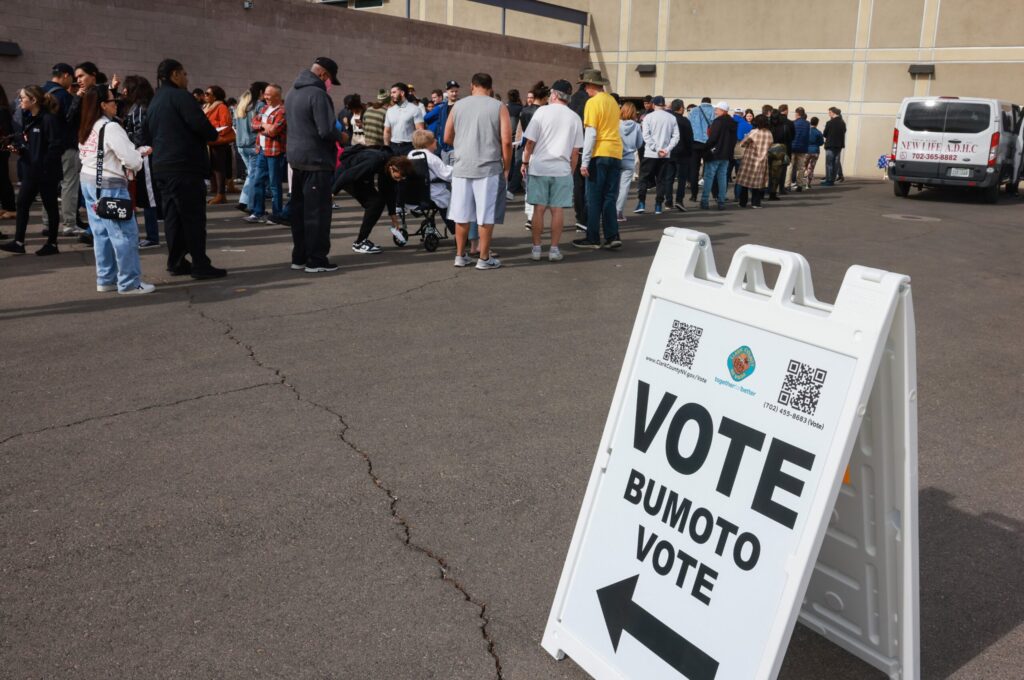
Nevada lawmakers have approved a new set of election rules aimed at clarifying existing legislation and addressing concerns raised during the 2024 election cycle. Among these changes, a particularly controversial provision allows candidates to use campaign donations for personal security expenses, including the purchase of firearms. This move has sparked significant debate as it coincides with heightened concerns over election integrity and security in a politically charged environment.
The updates were approved by the state’s Legislative Commission, a Democrat-led group that has the final authority on proposed regulations. These changes come just ahead of Nevada’s candidate filing period and approximately three months before the state's primaries, making timely implementation crucial.
One of the most significant amendments is the regulation surrounding mail-in ballots. A failed lawsuit from the Republican National Committee, the Nevada GOP, and Donald Trump’s presidential campaign in 2024 sought to block the counting of mail ballots that lack a postmark. According to Nevada law, mail ballots must be postmarked by Election Day to be counted, but those without a postmark are still valid if they are received within three days after the election. The new regulation codifies the interpretation that ballots received during this timeframe should be assumed as having been postmarked by Election Day, regardless of any visible postmark issues. It also allows county election officials to rely on barcode data to track when ballots are processed by the U.S. Postal Service.
Mark Wlaschin, the deputy secretary of state for elections, explained that the Postal Service sometimes intentionally does not postmark ballots to speed up their delivery to election offices. This has raised eyebrows among some lawmakers; for instance, Senator Ira Hansen (R-Sparks) expressed discomfort at the implications of this policy, fearing it could open the door to allegations of election fraud. Despite his concerns, he ultimately supported the rule after being assured it merely clarifies existing law.
Another regulation addresses the use of databases for mass voter challenges. In 2024, a conservative group led by activist Chuck Muth challenged the eligibility of over 30,000 voters, claiming they had moved and were no longer eligible to vote in their registered jurisdictions. The challenges relied on the Postal Service’s National Change of Address database but were ultimately dropped after the secretary of state's office clarified that using such databases does not equate to having “personal knowledge” of a voter’s status. The new regulation reinforces that a challenger must have firsthand experience or observation of the facts, rather than relying solely on database information.
Senate Minority Leader Robin Titus (R-Wellington) voiced concerns that the new rule could be overly restrictive, potentially complicating the process for legitimate challenges. Wlaschin noted that the state plans to proactively communicate with residents who may have moved to encourage them to cancel their voter registrations.
Lastly, the new regulations allow candidates and elected officials to utilize campaign donations for “personal security” expenses, which now explicitly includes the purchase of firearms, ammunition, training, and home security systems. This provision emerged in response to a climate of increased threats against public officials, particularly after the assassination of a Democratic state lawmaker in Minnesota and subsequent threats targeting various legislators. The unanimous passing of AB3 during a special legislative session in November 2024 signals a shift toward prioritizing the security of candidates as part of their campaign operations.
While these changes aim to bolster both the integrity of Nevada’s electoral processes and the safety of its public officials, they come amid an atmosphere rife with suspicion and scrutiny regarding election fairness. As Nevada prepares for its upcoming primaries, these new rules will undoubtedly play a crucial role in shaping the political landscape and voter confidence in the state.
Why Philly Leaders Are Rallying Behind Matt Crocker's Shocking Youth Soccer Revolution—Don't Miss the Details!

Missouri's Shocking Bitcoin Gamble: Could This Risk Cost Taxpayers Millions?

Taiwan Surprises the World: Why It’s Now the #2 Startup Hub You Can’t Ignore!

Is Michelangelo's Masterpiece Doomed? Shocking Climate Change Changes You Won't Believe!

You Won't Believe These 5 Game-Changing Smartphones Under $400 – Grab Them Before They're Gone!

You Won't Believe How the Pistons Stunned the Cavs in Overtime—Is This the Start of a Championship Run?
You might also like: