
Missouri's Shocking Bitcoin Gamble: Could This Risk Cost Taxpayers Millions?

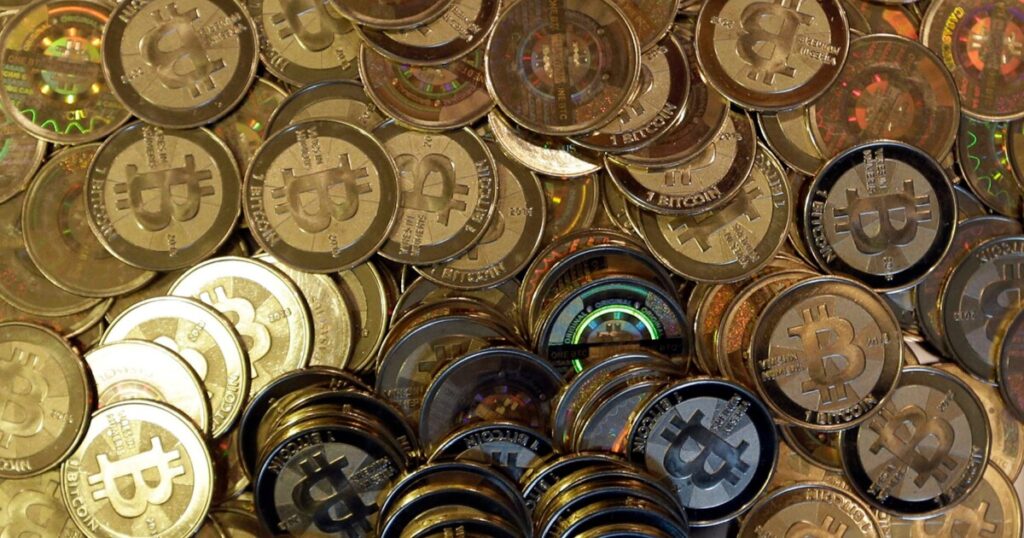
On Wednesday morning, the Missouri House Commerce Commission held its first public hearing on a proposed bill, HB 2080, aimed at creating a **Bitcoin Strategic Reserve Fund**. This bill seeks to establish a fund that would be responsible for buying, trading, and selling **Bitcoin**, a digital currency that has seen significant volatility since its inception.
One of the notable provisions of HB 2080 is that it would permit the payment of fines, fees, taxes, and other costs in cryptocurrency. Additionally, the bill specifies that the majority of the fund's resources should come from gifts, bequeathments, and other donations rather than taxpayer dollars.
However, the bill has drawn skepticism from financial experts. **Campbell Harvey**, a finance professor at **Duke University**, pointed out that Bitcoin has lost more than **60% of its value** on six separate occasions over the past 14 years, not including its most recent fluctuations. "Establishing any sort of reserve fund that is just focused on **Bitcoin** is a very risky bet because the value could go up," Harvey noted. "But it could also plummet dramatically."
According to Harvey, the state would initially need to borrow money from itself to fund the reserve, effectively putting **Missourians' tax dollars at risk** in what he describes as a highly speculative gamble. This raises important questions about the financial prudence of such a move, especially given Bitcoin's track record.
In contrast, **Rep. Michael Davis**, a Republican co-sponsor of the bill, argues that a Bitcoin reserve could offer protection against hyperinflation. "I support allowing alternative means, such as a Bitcoin reserve, to allow alternatives to the current monetary system that has largely devalued our currency through monetary policy," Davis stated.
Despite this support, Harvey remains unconvinced about Bitcoin's viability as a safe investment. "So, adding an asset like Bitcoin to your portfolio, it's really hard to make the case that adding this asset somehow reduces the risk of your portfolio," he explained. This skepticism is significant, particularly for potential investors who may be lured by the allure of cryptocurrency without fully understanding the risks involved.
Interestingly, HB 2080 is not the first attempt to create a Bitcoin reserve in Missouri. A similar bill, **HB 1217**, was introduced during the 2025 legislative session but ultimately did not pass. Its last recorded action was a public hearing in front of the **House Special Committee on Intergovernmental Affairs**. This history may provide important context as lawmakers consider the implications of HB 2080.
The discussion surrounding this bill is emblematic of a broader debate regarding the role of cryptocurrencies in state finance and economic policy. As more lawmakers across the United States contemplate the integration of digital currencies into public finance, Missouri's deliberations may serve as a critical case study for both advocates and detractors of cryptocurrency.
Ultimately, the future of HB 2080 remains uncertain as it navigates the legislative process. However, it brings to light crucial conversations about financial stability, investment risk, and the evolving landscape of digital currencies in American policy.
Taiwan Surprises the World: Why It’s Now the #2 Startup Hub You Can’t Ignore!

Is Michelangelo's Masterpiece Doomed? Shocking Climate Change Changes You Won't Believe!

You Won't Believe These 5 Game-Changing Smartphones Under $400 – Grab Them Before They're Gone!

You Won't Believe How the Pistons Stunned the Cavs in Overtime—Is This the Start of a Championship Run?

Why Rep. Roth's SHOCKING Response to the Governor's Final Address Will Change Everything!
Bitcoin Crashes Below $64K: What U.S. and Israel's Iran Strikes Mean for Your Wallet!
You might also like: