
Is Your Smartphone a Dinosaur? Discover the Shocking Truth Behind the Death of Upgrade Year!

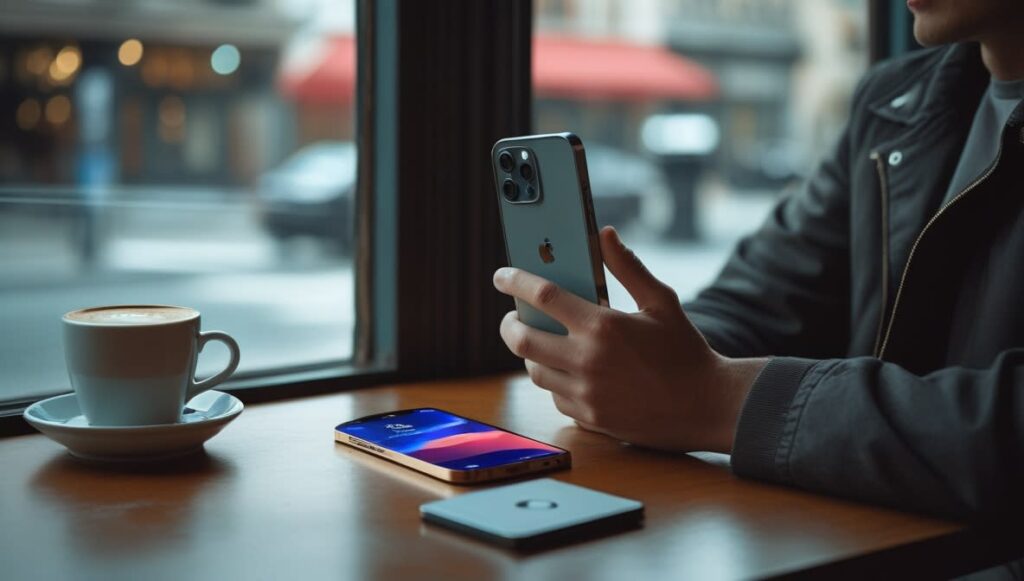
For more than a decade, the smartphone industry operated on a predictable rhythm: one year, one upgrade. Each fall brought a highly anticipated keynote event, showcasing shiny new devices with promises of faster performance and sleeker designs. Consumers felt a subtle pressure to trade in perfectly functional phones for the latest models, driven by a cultural expectation that owning last year’s phone equated to falling behind. However, as we enter 2025, this annual upgrade mentality is quietly fading, not amid outrage but rather indifference.
Surprisingly, fewer people now feel compelled to replace their smartphones each year, signaling a structural shift in how consumers engage with technology. This transition appears to be a reflection of a more profound understanding of what our devices can do and how we relate to them.
📰 Table of Contents
The Maturation of Smartphones
The primary reason for this change is straightforward: smartphones have matured. Today's flagship devices are highly capable, featuring sharp displays, competent cameras, and batteries designed to last. A well-maintained, three-year-old premium phone can still handle daily tasks effectively, making the incremental improvements of newer models feel less transformative. A slightly brighter screen or a marginally faster processor no longer ignites excitement; instead, consumers are generally satisfied with what they have. This satisfaction inherently reduces the urgency to upgrade.
Interestingly, the rise of artificial intelligence (AI) — which was once expected to accelerate upgrade cycles — is actually contributing to a shift in consumer behavior. Modern AI features are frequently delivered through software updates rather than requiring new hardware. Enhancements such as smarter virtual assistants, improved photo processing, and personalized tools can now be enjoyed on devices several years old. This adaptation has trained users to expect improvements without having to purchase new phones. Why invest in a new smartphone when the one already in your pocket is becoming smarter with every update?
AI has effectively altered the value equation, emphasizing what devices can learn rather than what they merely possess. As a result, consumers are prioritizing longevity over novelty, seeing smartphones as durable tools rather than mere fashion statements.
Economic Factors and Changing Priorities
Today's economic realities also play a significant role in this shift. Factors such as inflation and rising costs of living are causing consumers, even tech enthusiasts, to scrutinize spending more closely. The thought of upgrading to a new device that costs upwards of $1,000 feels less responsible and necessary. Instead, consumers are increasingly valuing the longevity of their devices, leading to a discernible change in mindset: from "What's new?" to "How long will this last?"
Manufacturers have begun to recognize this shift practically, albeit quietly. Longer software support windows, extended security updates, and sustainability messaging are not merely ethical gestures; they represent strategic responses to the declining frequency of upgrades. If consumers are less likely to replace their phones every year, brands must focus on remaining relevant over a span of five to six years instead. Trade-in programs, ecosystem lock-in, and subscription services are emerging as vital strategies to fill the gap left by dwindling annual sales.
As a result, the business model is evolving from a transaction-based approach to a relationship-based one. The phone is no longer just the product; the user has become the focal point.
Perhaps the most compelling aspect of this trend is the emotional shift surrounding smartphone ownership. Once, owning the latest model signaled modernity and status; now, the desire to keep upgrading can feel excessive and wasteful. Social norms are adjusting, and in some circles, restraint is becoming more admirable than novelty. Many consumers no longer feel judged for keeping older phones; instead, they take pride in their decision to hold onto devices that still serve their needs.
This emotional reward of upgrading has diminished, replaced by a quieter satisfaction in knowing that one does not need to constantly chase after the latest technology. Innovation hasn’t disappeared; it has simply shifted away from annual phone releases toward wearables, ambient computing, AI workflows, and cross-device ecosystems. The smartphone has transformed into a central hub rather than the central focus of technological advancement.
As 2025 unfolds, smartphones are settling into a more honest role: not as symbols of progress, but as reliable companions. The annual upgrade cycle may be fading, but what is emerging is something more sustainable: trust. Trust that your device will last, trust that improvements can come without replacement, and trust that missing one product launch doesn’t mean falling behind. The magic of technology hasn’t vanished; it has simply grown up. This evolution signals a healthier relationship between consumers and their devices, characterized by less pressure, less waste, and a more intentional use of technology.
Bo Nix’s Bizarre Play Saves Broncos from Shocking Upset—AFC Title on the Line!
Turn Your Old Smartphone into a HIGH-TECH Security Camera—You Won't Believe What It Can Do!

You Won’t Believe What the White House Plans for Trump’s East Wing Ballroom – Revealed This January!

You Won't Believe What Happens When 1,000 Healthy Snacks Go Unclaimed—Donate NOW or Miss Out!

Unlock the Secret: 7 Shocking Healthy Snacks That Boost Your Energy at Work—Don’t Miss Out!

Is 2025 the Year Climate Change Turns Our Wild into a Wasteland? Shocking Effects Inside!
You might also like: