
Is Your Google Pixel Phone About to Die? Shocking Battery Life Failures After Latest Update!

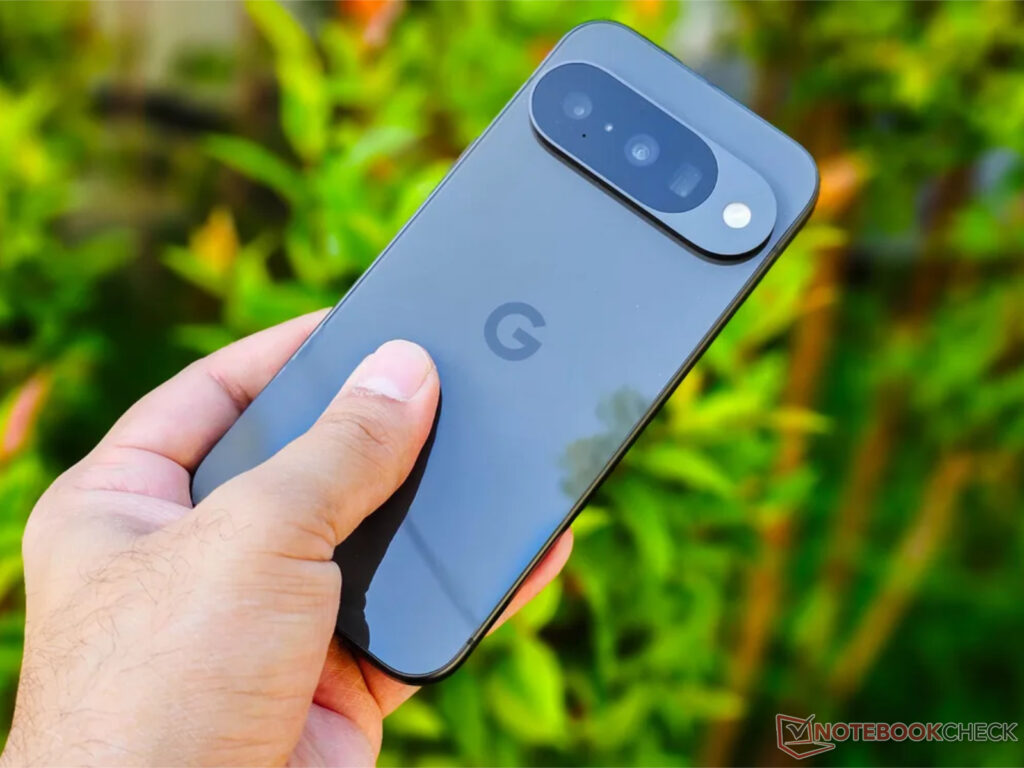
In an unsettling turn of events for tech enthusiasts, the newly launched Google Pixel 10 series is facing significant challenges just months after its debut. Initially launched in August, the series expanded with the addition of the Pixel 10a in February, priced at approximately $449 on Amazon. However, the excitement surrounding these smartphones has been overshadowed by a series of ongoing issues.
Early adopters of the Pixel 10 series reported major display problems, which, although addressed, led to new complications with subsequent updates. Most recently, users have shared their frustrations regarding a serious battery drain issue following the application of Google's March update. Reports indicate that this update significantly shortens battery life across the entire Pixel 10 family, affecting devices as far back as the Pixel 7 series.
Despite the growing uproar among users on platforms like Google's Issue Tracker, the tech giant has yet to issue a formal response. According to findings from log files, the March update appears to have introduced a bug that causes Pixel devices to repeatedly activate their modems, sometimes as frequently as four times per second. This malfunction prevents Google's Tensor chipsets from entering their more power-efficient standby mode, resulting in the rapid depletion of battery life.
This latest setback raises questions about the quality control processes at Google, especially as the company aims to position itself as a serious competitor in the smartphone market. Historically, Google's Pixel line has garnered a reputation for its exceptional camera capabilities and user-friendly interface. However, persistent technical issues could undermine consumer confidence and sales moving forward.
The implications extend beyond just user satisfaction; they reflect larger industry trends. As competition intensifies with rivals like Apple and Samsung, the stakes are high for Google to deliver reliable products. Consumers are increasingly becoming more discerning, prioritizing not just features but also the overall user experience. Issues like battery drain and software bugs could lead potential buyers to reconsider their choices, especially in an era where smartphones are essential tools for daily life.
Furthermore, Google's communication—or lack thereof—on these issues adds another layer of concern. Silence in the face of consumer complaints can erode trust and loyalty. For a company that prides itself on innovation and customer service, this failure to respond adequately may lead to long-term repercussions on brand reputation.
As the tech community watches closely, many are left to ponder what this means for the future of Google's smartphone ambitions. If these issues persist without resolution, it could spell trouble not just for existing users, but for the entire Pixel brand moving forward. In a landscape where technology is rapidly evolving, consumers expect not only cutting-edge features but also reliability and support. The question remains: will Google step up to address these concerns, or will they allow the Pixel series to falter amid mounting criticism?
Glaciers Are Disappearing Fast—Find Out What This Means for Your Future!

Shocking Warning: Kubica Calls Out Antonelli on Social Media—What Leclerc's Step Back Means for F1!

College Sports Shock: Learfield's $1 Billion Deal Could Change Everything—Are You Prepared?

You Won’t Believe What iGB L!VE Revealed About the Future of Startups – Are You Missing Out?

Why a $100,000 Donation from Vulcan Materials is Transforming the Fred Corriher YMCA – Don't Miss This!

Wisconsin GOP's Shocking Move: Will Thousands of Late Mail Ballots Be DISCARDED in Supreme Court Battle?
You might also like: