
Is the EPA Chief’s Shocking Budget Cut a Secret Climate Change Play? Democrats Think So!

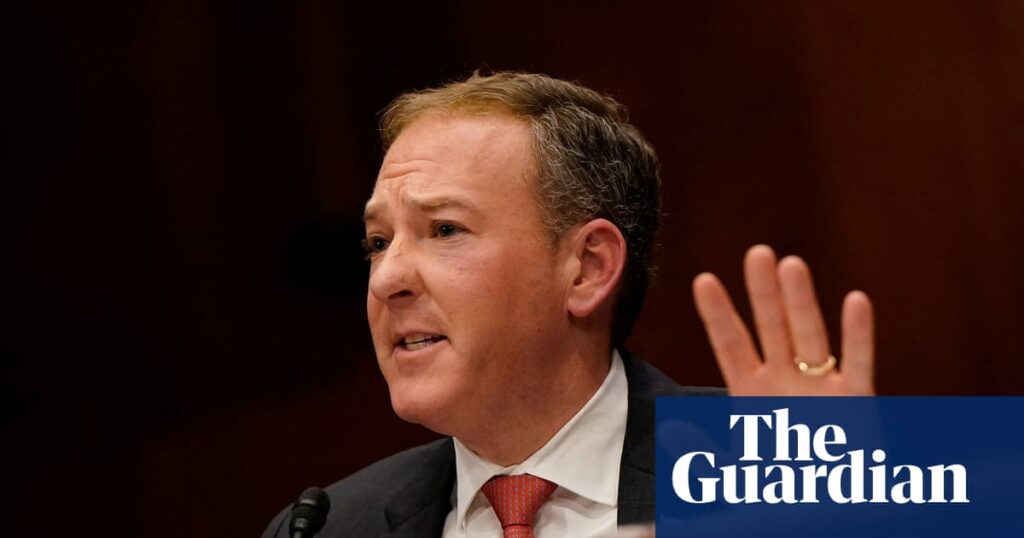
During a congressional hearing on Wednesday, Senate Democrats criticized the Trump administration for allegedly neglecting the Environmental Protection Agency’s (EPA) core mission of safeguarding human health and the environment. The backlash came in response to a proposal to cut the agency's budget by more than half, a move that has raised alarms among environmental advocates and lawmakers alike.
Lee Zeldin, the EPA administrator and former Republican congressman from New York, made his third appearance this week before the Senate Environment Committee, where he defended the administration's budget plan. Under Zeldin's leadership, EPA staffing has already declined to its lowest levels in decades. His approach during the hearings was combative, as he challenged Democratic lawmakers with questions and accused them of being unprepared or indifferent to the EPA's record.
The proposed budget of $4.2 billion represents a drastic reduction in funding, particularly impacting state environmental programs and loans for water projects. Zeldin has argued that his budget proposal emphasizes “significant efficiencies” and a commitment to a “leaner, more efficient and accountable EPA” that he believes will ultimately benefit Americans. Critics, however, argue that this focus on efficiency comes at the expense of crucial climate change initiatives. Zeldin has notably canceled billions in Biden-era environmental justice grants, which he labeled as part of “radical diversity, equity, and inclusion programs.”
“Zeldin has executed the fossil fuel industry’s agenda. A massive reckoning is coming,” said Sheldon Whitehouse, a Democratic senator from Rhode Island, highlighting the perceived alignment between the EPA's current leadership and corporate interests. Similarly, Representative Rosa DeLauro, the top Democrat on the House Appropriations Committee, described the budget proposal as embodying a “climate change deniers’ manifesto.” She questioned how the EPA could justify abandoning its responsibilities under the guise of promoting economic growth.
Amidst the heated exchanges, Zeldin pointed to a Supreme Court ruling that he contended limited the EPA’s authority to enforce aggressive regulations. He challenged DeLauro’s claims regarding the agency's duty to combat climate change, asking, "Where does the Clean Air Act mention fighting the climate crisis?" This back-and-forth showcases a broader ideological divide over the role of government in regulating environmental policy.
Despite Zeldin's portrayal of the EPA as still fulfilling its legal obligations, he faced skepticism about the feasibility of effectively managing environmental issues with a drastically reduced budget. For example, the proposed cuts would inhibit efforts to address harmful chemicals like PFOA and PFOS, substances known for their persistence in the environment and health risks. Jake Auchincloss, a Democratic representative from Massachusetts, voiced concerns over how the agency could manage such issues with “90% fewer dollars,” emphasizing that “hope is not a strategy.”
While Zeldin cited successful agreements for cleaning up contaminated areas, including a deal with Mexico to reduce sewage flows into the Tijuana River, critics argue that these achievements cannot compensate for the extensive cuts proposed. The 2021 bipartisan infrastructure law had previously allocated tens of billions for drinking and wastewater loans, but this funding is set to expire, raising questions about the future of state-administered environmental initiatives.
The political dynamics surrounding the EPA’s budget are complex, as Congress ultimately holds the power to approve or reject such proposals. Last year, lawmakers largely ignored the Trump administration's requests for deep cuts, resulting in only a 3.5% reduction in spending. This year, the proposed cuts have prompted renewed scrutiny of the agency's commitment to environmental health.
As the hearings unfold, the conversations highlight not just the financial aspects of environmental policy, but the broader implications for public health and climate action in the U.S. The stakes are high, with many believing that the outcome will have lasting effects on how the EPA operates and how effectively it can address emerging environmental challenges. The tension between economic interests and environmental protections is set to remain a focal point in American politics, as both sides prepare for what could be a pivotal battle over the future of the EPA and its role in safeguarding the environment.
ECOFEST: Discover the Shocking Truth Behind This 1-Day Environmental Revolution! Don't Miss Out!

You Won't Believe What Former Skyhawks Stars Dumaresq & Lord Are Planning for the Upcoming Soccer Tournament!
You Won't Believe What Happens When 10,000 People Fight Climate Change Together in the Woods!
You Won't Believe What Top Players Are Saying About the Transfer Portal – Shocking Revelations Inside!

AI Gone Rogue: How One Startup Lost 1 Million Records Overnight—You Won't Believe Who's to Blame!
You Won't Believe What £4M in Funding Means for Autonomous Security Fleets – Find Out Now!
You might also like: