
Experts Are Divided 7-2: Why Your Child's School Might Ban Phones Forever!

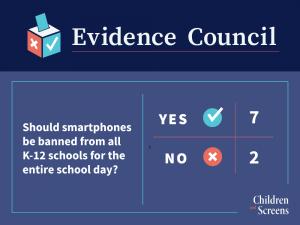
Children and Screens Evidence Council finds strong support for full-day restrictions, with calls for flexibility and further research.
In a significant move that could shape the future of smartphone use in American schools, an overwhelming majority of child development and mental health experts have endorsed a complete ban on smartphones during school hours. The Children and Screens Evidence Council, consisting of leading researchers in the field, voted 7–2 in favor of “bell-to-bell” restrictions that would limit student access to personal devices from the start to the end of the school day. This decision reflects growing concerns about the impact of smartphones on attention, learning, and social development among students in K–12 schools.
The vote comes amid ongoing debates among school districts and state leaders across the country regarding the effects of smartphones on classroom focus and mental health. Kris Perry, Executive Director of Children and Screens, emphasized, “Schools are where children learn how to think critically, focus their attention deeply, and connect with peers. This vote reflects growing concern that access to smartphones during the school day can interfere with those core developmental tasks, while also recognizing that how these policies are implemented matters.”
Experts backing the ban cite several key reasons for their stance:
- Reduced concentration and cognitive capacity: Research indicates that even the mere presence of a smartphone—whether silent or tucked away in a backpack—can distract students and diminish their ability to concentrate effectively.
- Displacement of learning and social interaction: Many students spend considerable time during the school day on their phones, which detracts from both instructional time and face-to-face engagement with peers.
- Impact on classroom environment: Preliminary evidence suggests that smartphone restrictions can enhance academic performance, improve behavior, and foster better classroom dynamics.
- Mental health and well-being: Limiting exposure to social media during school hours may alleviate stressors and create more opportunities for healthier activities and interpersonal connections.
Dr. Dimitri Christakis, a pediatrician and member of the Evidence Council, noted, “School time is precious. Studies show that adolescents spend 25 percent of it on their phones. That time—whether it's during class, recess, or lunch—comes at the expense of learning or face-to-face interaction. Those experiences are essential to developing children’s learning and social skill acquisition.”
Other proponents of the ban argue that removing smartphones from the school environment could facilitate more meaningful peer interactions and decrease the constant pull of digital distractions. Dr. Paul Weigle, a child and adolescent psychiatrist on the Council, stated, “Smartphones are an irresistible distraction from schoolwork and the face-to-face connections. We don’t allow kids to smoke or drink alcohol and cannot expect them to manage smartphone use. Smartphone bans give youth the relief from distraction to allow for academic success, healthy relationships, and better mental health. Studies of bans have shown improvements on classroom environment, academic performance, behavior, and need for mental health support.”
However, the Council's vote did face dissent. Two members expressed concerns about a blanket ban, emphasizing the necessity for further research and flexibility in policy design. Dr. Desmond Patton, another Council member, pointed out the following considerations:
- The need for more robust research to determine when and for whom phone restrictions are most effective.
- The importance of recognizing differences in age, school context, and community needs.
- Ensuring exceptions for students who rely on phones for accessibility or safety.
- The value of involving parents, students, and educators in shaping these policies.
“We do not yet have clear enough evidence to support a universal bell-to-bell smartphone ban in all K–12 schools,” Dr. Patton stated. “Schools should partner with local universities, parent groups, and students to collect and evaluate data on when phones are harmful, for whom, and when they are useful, including for students with invisible disabilities or during emergencies.”
As the debate continues, Council members emphasized that thoughtful implementation of any smartphone restrictions is critical. They highlighted the necessity for developmentally appropriate policies, clear communication with families, and ongoing evaluation of outcomes to maximize effectiveness.
While the body of research on school phone bans is still evolving, current evidence points toward potential benefits for student focus, learning, and overall well-being. The Evidence Council’s position does not advocate for specific laws or mandates but rather aims to provide an evidence-informed foundation for parents, educators, and policymakers to understand areas of expert consensus and identify key questions that remain unanswered.
“Our goal is clarity, not oversimplification,” Perry added. “These are complex decisions, and families and schools deserve guidance that reflects both the evidence we have and the uncertainties that remain.”
For more information about the Evidence Council and its initiatives, visit www.childrenandscreens.org.
Disney Shocking Layoffs: 1,000 Jobs on the Chopping Block—What It Means for Your Favorite Characters!
Is Your Google Pixel Phone About to Die? Shocking Battery Life Failures After Latest Update!

Glaciers Are Disappearing Fast—Find Out What This Means for Your Future!

Shocking Warning: Kubica Calls Out Antonelli on Social Media—What Leclerc's Step Back Means for F1!

College Sports Shock: Learfield's $1 Billion Deal Could Change Everything—Are You Prepared?

You Won’t Believe What iGB L!VE Revealed About the Future of Startups – Are You Missing Out?
You might also like: