
Blue Origin’s New Glenn Rocket Fizzles After Bezos Celebration – What Went Wrong?

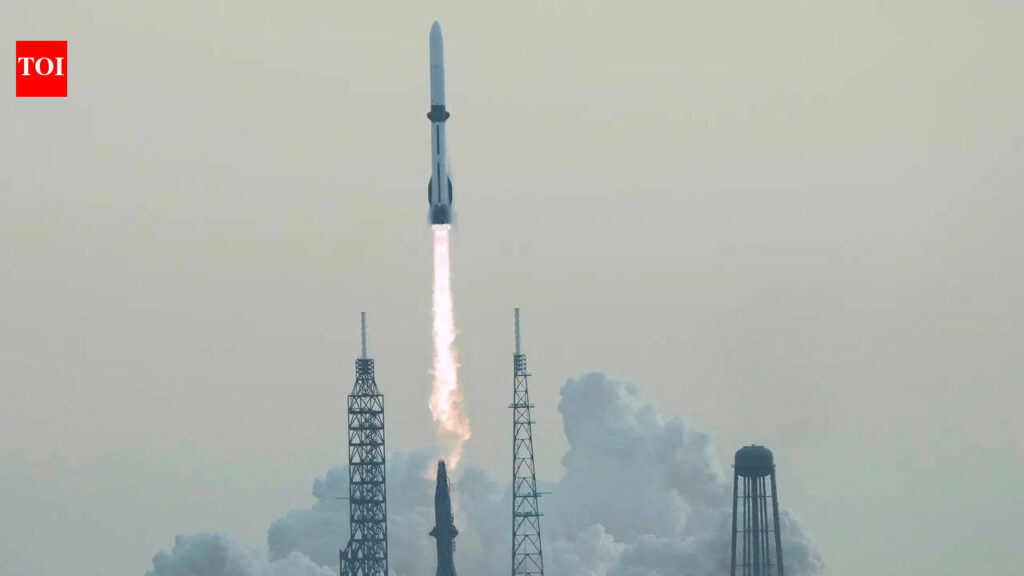
The recent launch of Blue Origin's New Glenn rocket from Cape Canaveral Space Force Station has resulted in a significant setback for the company, founded by Jeff Bezos. Although the rocket's booster successfully landed on a drone ship after liftoff—a first for a re-used New Glenn booster—the primary mission to deliver a communications satellite for customer AST SpaceMobile failed to meet its objectives.
Shortly after the launch, which took place earlier this week, the New Glenn upper stage placed AST SpaceMobile’s BlueBird 7 satellite into what was described as an “off-nominal orbit,” meaning it did not reach the intended altitude necessary for operational functionality. Both Blue Origin and AST SpaceMobile confirmed that the satellite was placed into a lower-than-planned orbit, making it impossible for the satellite to sustain its operational requirements. As a result, the satellite will need to be de-orbited, ultimately burning up in Earth's atmosphere.
In a post-launch update, Blue Origin's CEO Dave Limp acknowledged the failure, stating, “While we are pleased with the nominal booster recovery, we clearly didn’t deliver the mission our customer wanted.” He noted that early data indicated a problem with one of the BE-3U engines during the second-stage burn, which did not produce sufficient thrust to reach the target orbit. Limp assured that the company is in close communication with AST SpaceMobile as they work together to address the issue.
This incident marks the first major failure for the New Glenn program, which made its inaugural flight in January 2025. It also represents the second mission where New Glenn carried a customer payload into space, having previously launched twin spacecraft bound for Mars for NASA in November 2024.
In response to the mishap, the Federal Aviation Administration (FAA) has grounded the New Glenn rocket. An FAA statement confirmed that it is aware of the incident and has notified NASA, the National Transportation Safety Board (NTSB), and the U.S. Space Force. The FAA will oversee an investigation to determine the root cause of the failure and ensure public safety before Blue Origin can resume flight operations. The agency has previously grounded several rockets due to similar incidents, including SpaceX’s Falcon 9 and its in-development Starship. Blue Origin's suborbital New Shepard rocket has also faced grounding issues.
The implications of this incident extend beyond Blue Origin. As the space industry moves towards more frequent and cost-effective launches, the stakes are high for companies involved. Blue Origin, which has positioned itself as a competitor to SpaceX, will need to address this setback swiftly in order to maintain its standing in a rapidly evolving marketplace. Lessons learned from this mishap could not only enhance Blue Origin's safety protocols but also influence regulatory frameworks across the burgeoning space sector.
As the investigation unfolds, industry experts and stakeholders will be watching closely to see how Blue Origin responds to this challenge and what it means for their future missions. With competition heating up in the commercial space sector, effective recovery and adaptation to failures will be crucial for any company aiming for long-term success in space exploration.
Deaton’s Shocking US Senate Move: What He’s Hiding Could Change Everything!

Is OpenAI's Shocking Release Timeline a Game-Changer or a Dangerous Gamble? You Decide!

Will MrBeast’s Shocking Lawsuit Ignite a #MeToo Uprising in the Influencer Elite? Find Out Now!

This AI Startup Backed by Mark Cuban is Unveiling Family Secrets—Are You Ready to Discover Yours?

You Won't Believe How New London Shocked Everyone with Their First Soccer Win of the Season!

You Won't Believe What Just Opened at Lakewood Park: A Bar with Live Music and Shocking Secrets!
You might also like: