
Will MrBeast’s Shocking Lawsuit Ignite a #MeToo Uprising in the Influencer Elite? Find Out Now!

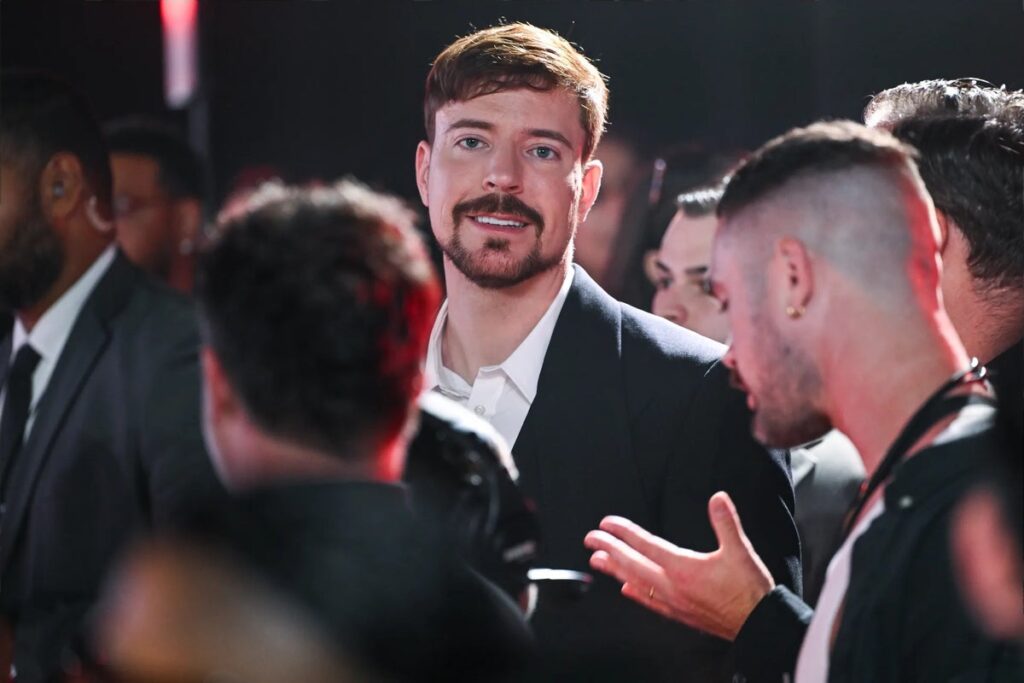
A lawsuit filed against social media star Jimmy Donaldson, better known as "MrBeast," has sparked significant discussion about workplace culture among young male influencers. The suit, brought by former employee Lorrayne Mavromatis, alleges that Donaldson fostered a toxic work environment at his production company, Beast Industries. This legal action follows a growing trend of accusations against male influencers, suggesting that the industry may be on the brink of a reckoning reminiscent of the #MeToo movement that reshaped Hollywood.
At just 27 years old, Donaldson has transformed into a digital powerhouse, amassing a staggering 479 million subscribers on YouTube and reportedly earning $85 million last year, which has earned him the title of Forbes' No. 1 online creator for four consecutive years. His ventures extend beyond digital content, reaching into snacks, fast food, and an Amazon Prime series titled "Beast Games."
The allegations brought by Mavromatis are serious. She claims she was unjustly demoted and ultimately fired after raising concerns about sexual harassment and a hostile work environment. The employee handbook at Beast Industries reportedly included phrases such as "It's okay for the boys to be childish" and allowed lewd behavior, further indicating a culture that may tolerate misconduct.
This case follows a historical pattern of misconduct in historically male-dominated industries, where young men in positions of power have exploited their status. Brian Farrar, an employment lawyer based in Bloomfield Hills, Michigan, suggested that this lawsuit could be a pivotal moment, potentially making other influencers accountable for their actions. "This lawsuit may be a watershed moment that opens the door to other influencers being held accountable," he stated.
Companies and platforms that enable influence and content creation, such as YouTube, might need to reevaluate their roles in overseeing the behavior of their creators. Farrar pointed out that the influencer industry often lacks the safeguards present in traditional workplaces, leaving many creators with a sense of immunity from repercussions. The absence of oversight can create an environment ripe for misconduct.
Recent years have seen several other high-profile accusations against male influencers. For example, Andrew Tate, a former kickboxer and prominent figure in the "manosphere," was arrested in Romania on charges of rape and sex trafficking. Similarly, TikTok star Tony Lopez faced allegations from underage fans, while streamer Steven Bonnell II, known as "Destiny," was sued for sharing a private video without consent.
Experts in gender studies and psychology believe that the unique dynamics of social media culture contribute to these troubling behaviors. Jett Stone, a clinical psychologist specializing in men's issues, noted that many young male influencers have little experience in traditional job environments that enforce accountability. "There's often no check horizontally among these young men and none above. Traditional corporate containment mechanisms are removed," he explained.
Concerns are further amplified by the nature of the content that these influencers produce. Marianne Cooper, a researcher at Stanford University's VMware Women's Leadership Lab, emphasized that entertainment emphasizing competition and risk-taking can distort workplace culture, leading to dysfunction. "If the vibe is all about risk-taking and winning, that's the opposite of what you want in a culture that's respectful and professional," she said.
The implications of Mavromatis' lawsuit may extend well beyond her immediate situation. Cooper remarked that often, when one woman comes forward with allegations, it can encourage others to speak out as well. "There are easier ways to seek fame and attention than by coming forward with claims of hostile work environment against one of the most popular YouTubers," she noted.
As the #MeToo movement reshaped industries from Hollywood to corporate America, the influencer world may soon face similar scrutiny. With platforms like YouTube holding significant power over monetization and visibility, they may need to enforce compliance with employment laws and ethical standards more rigorously. "Companies that invest in influencers should insist on third parties verifying compliance with employment laws," Farrar advised.
In a digital age where influencers wield considerable influence over millions, the potential for a cultural shift towards accountability appears to be on the horizon. The outcomes of Mavromatis' lawsuit could be critical in determining whether the influencer economy will begin to prioritize respect and professionalism alongside entertainment value.
This AI Startup Backed by Mark Cuban is Unveiling Family Secrets—Are You Ready to Discover Yours?
You Won't Believe How New London Shocked Everyone with Their First Soccer Win of the Season!

You Won't Believe What Just Opened at Lakewood Park: A Bar with Live Music and Shocking Secrets!
Idaho in Mourning: What You Didn't Know About Dirk Kempthorne's Controversial Legacy!

Stunning Last-Minute Goal Shocks Glenwood – You Won't Believe How Edwardsville Made History!
NC Attorney General Shockingly Backs Controversial Budget—You Won't Believe What's at Stake!
You might also like: