
Smartphone Prices Set to Skyrocket in 2026—Find Out the Shocking Increase You Can't Afford to Miss!

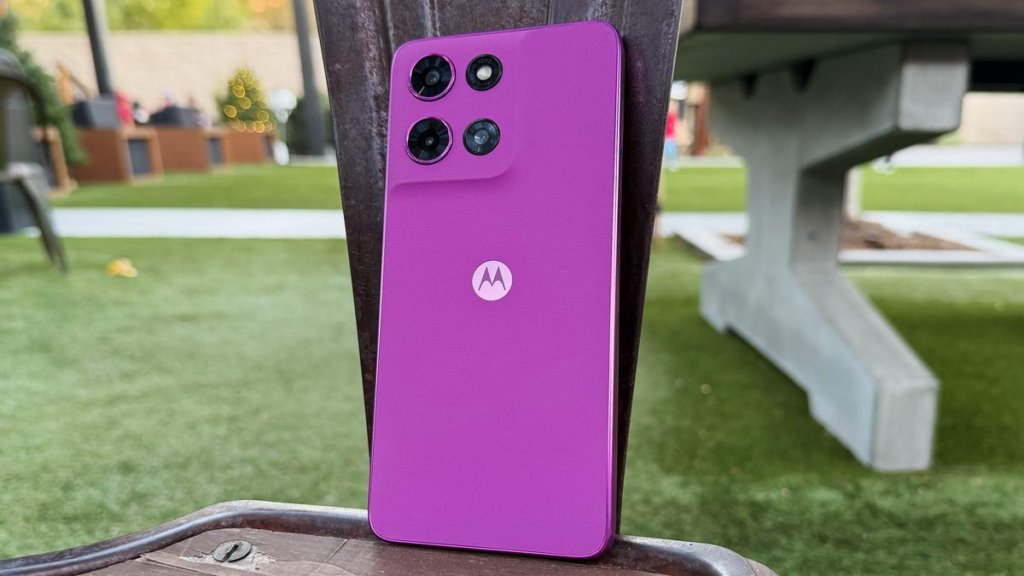
The surge in demand for generative AI is reshaping the tech landscape, driving up prices for essential computer components and, as a result, potentially increasing the cost of smartphones in the near future. The ramifications of this trend are being felt across the board, as the market braces for a memory shortage that could have lasting effects, particularly on lower-end devices.
For years now, components like graphics cards have seen inflated prices due to the boom in cryptocurrency mining. With the recent shift towards generative AI, which requires immense computing power, this upward pricing trend is expected to continue. What may come as a surprise, however, is the recent spike in demand for memory—specifically RAM—that has tightened the market for consumer-grade products.
While smartphones utilize a specialized form of RAM, which is miniaturized compared to standard PC memory, the ongoing demand from data centers supporting AI workloads has led to higher prices across the board. A mid-December report from the market intelligence firm International Data Corporation (IDC) suggests this is not just a temporary mismatch in supply and demand; rather, it may signal a permanent shift in the world's silicon wafer capacity.
In the past, phone manufacturers managed to absorb increased costs triggered by economic turmoil, including tariffs. However, analysts like Nabila Popal, senior research director at IDC, predict that by 2026, cost increases will likely be passed on to consumers. "In the case of the upcoming memory crisis, this is something that will hit the market hard, especially for phone-makers playing in the low end where margins are extremely tight," Popal stated.
This impending crisis is likely to have a significant impact on smartphone pricing. Popal expects that the prices of cheaper smartphones could rise by at least 5-10%. Notably, memory constitutes approximately 15-20% of the material costs of low-end phones, versus 10-15% for premium devices. In light of this, phone-makers may pivot towards higher-end products, which typically offer better margins, further altering the market landscape.
The ramifications of this memory crisis extend beyond immediate pricing changes. IDC has adjusted its forecast for average phone prices in 2026 from a slight decline to a projected increase of 2%. Although unit sales are anticipated to drop, the overall smartphone market is still expected to reach a record value of $578.9 billion, as reported by IDC.
Smartphone Specs Adjustments Ahead
As the memory shortage worsens, manufacturers may also reconsider their RAM configurations. In the third quarter of 2025, over 51% of smartphones shipped featured at least 8GB of RAM, a figure that rises to nearly 93% for devices priced at $400 or more. However, Jeronimo warns that "in 2026, entry-level and mid-range smartphones may revert to 4GB RAM configurations to preserve price in price-sensitive markets."
The shift in RAM specifications is particularly concerning given the growing reliance on on-device generative AI features. The 8GB threshold is generally accepted as the minimum for effectively running such features, including those found in devices like the Google Pixel series and Galaxy AI. While hybrid and cloud-based generative AI services can run on lower specifications, they may introduce lag and limitations in usability, particularly in areas with poor connectivity.
Furthermore, the memory shortage may hinder premium devices from incorporating higher RAM configurations aimed at enhancing AI performance. Current expectations suggest that the upper limit for top-tier phones may cap at 16GB, with "Pro" variants potentially reverting to 12GB in order to maintain profit margins and avoid price increases.
The length and severity of the memory shortage will ultimately dictate its impact on consumers. In markets like the United States, where smartphones are often purchased through installment plans, the financial repercussions may be less immediate. However, in regions where handsets are bought outright, consumers might delay upgrading their devices as prices rise.
As these trends unfold, the smartphone industry stands at a crossroads. The interplay of generative AI demands, market economics, and consumer expectations will shape the devices of tomorrow, making it essential for consumers to stay informed about the changes ahead.
College Football Playoff Complaints Skyrocket—Are Fans Right to Be Furious Over THIS Shocking Change?
You Won't Believe How Google Plans to Transform Every Android Phone—Is Yours Next?

Week 17 NFL Shockers: Playoff Dreams on the Line! Which Teams Are on the Verge of Collapse?

Shocking New Study Reveals Vaccinating Boys Against HPV Could Halve Cervical Cancer Rates—Are You Prepared?

You Won't Believe How Climate Change is Threatening This Year's Christmas Tree Supply!

Tom Lee's Shocking $421M Ethereum Bet: Is He About to Make a Fortune or Lose It All?
You might also like: