
New Smartphones Will Require Face Recognition Starting Tuesday—Here’s What You MUST Know Before It’s Too Late!

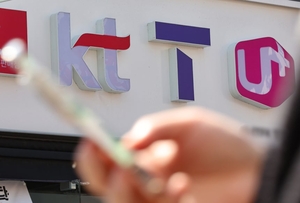
Starting Tuesday, a new regulation in South Korea will require facial recognition for anyone purchasing a new smartphone. This measure has been implemented by the country's three major mobile carriers—SK Telecom, KT, and LG Uplus—as well as low-cost mobile operators, as reported by local media.
The shift from merely showing an identification card to using facial recognition aims to bolster security measures. Instead of just providing an ID, new users must now authenticate their identity by taking a photo through the PASS authentication app. This marks a significant change in the purchasing process for smartphones in South Korea.
The government’s initiative seeks to combat increasingly prevalent crimes such as voice phishing and smishing, which often exploit smartphones activated with stolen or falsified identification. Voice phishing, a type of fraud where scammers impersonate legitimate entities to extract personal information, has been a growing concern, particularly as digital transactions have become more common.
Initially, a pilot program involving 43 low-cost mobile carriers and the major operators will be expanded to all low-cost carriers by March 23 of next year. This expansion signifies a broader effort to standardize security measures across the telecommunications industry.
In response to public apprehensions regarding the potential misuse of facial data, both authorities and telecom operators have reassured consumers that facial information will not be stored or utilized beyond identity verification. This assurance is crucial, especially in an age where data privacy is a critical concern for many consumers.
As South Korea embraces this new technology, it raises questions about the future of identity verification in an increasingly digital world. While the intention is to enhance security, it also highlights the ongoing debate surrounding privacy and data protection. The balance between safeguarding personal information and ensuring effective security measures will likely continue to be a focal point in discussions regarding technological advancements in telecommunications.
The adoption of facial recognition technology for smartphone purchases is not just a logistical shift; it represents a significant cultural and societal change. As consumers grow more accustomed to biometric verification, it remains to be seen how this will affect their perceptions of privacy and security in a rapidly evolving digital landscape.
Local Election Chaos: You Won't Believe Which Candidate Just Shocked Everyone with Their Last-Minute Move!

KC Concepcion Shocks Fans: 2026 NFL Draft Decision Could Change Texas A&M Forever!

You Won't Believe How Just a Handful of Nuts Could Slash Your Sweet Cravings by 50%!

You Won't Believe the 7 Tech Innovations Coming in 2025 That Could Change Your Life Forever!

You Won’t Believe How Many Lives Are Threatened by Environmental Racism—The Shocking Truth Exposed!

Why Are Middle-Aged Men Dying 20 Years Sooner Than Women? Shocking Study Reveals Alarming Truth!
You might also like: