
You Won't Believe How Just a Handful of Nuts Could Slash Your Sweet Cravings by 50%!

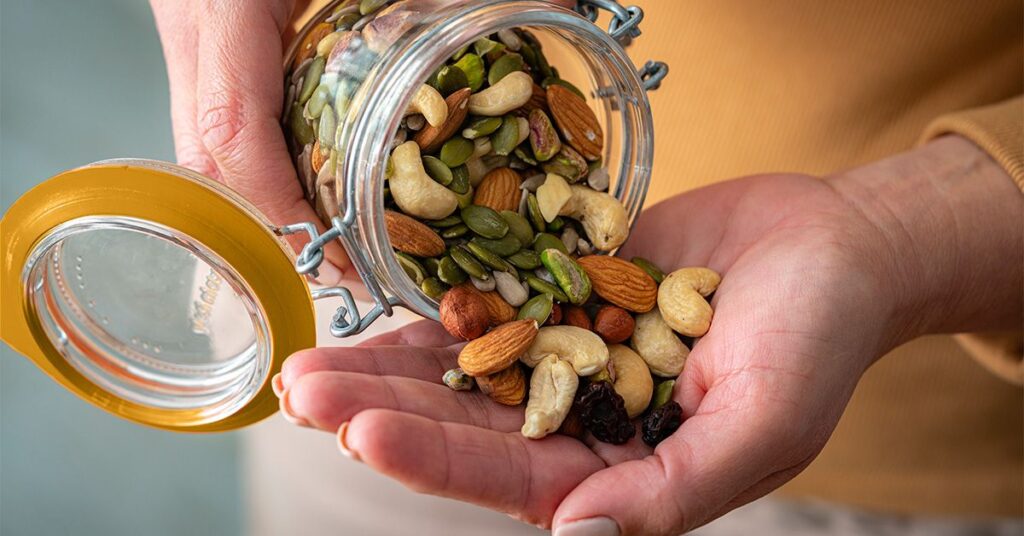
In a world increasingly dominated by high-carbohydrate snacks, a new study from Vanderbilt University Medical Center sheds light on a simple yet powerful dietary shift: swapping those snacks for a handful of mixed tree nuts could significantly benefit young adults at risk for metabolic syndrome. Published on December 2 in the journal Nutrients, the research highlights the potential of nuts in reducing cravings for unhealthy foods and improving overall diet quality.
The study involved 84 participants aged 22 to 36 who met specific criteria, including maintaining a stable weight for at least three months and a designated body mass index (BMI) range. Participants with chronic diseases like diabetes or those who smoked were excluded to ensure a homogenous study group. The trial began with a two-week run-in period where all participants consumed a balanced diet that included typical high-carb snacks but no nuts, setting the stage for the main trial.
After this period, participants were randomly assigned to one of two groups: one consuming tree nuts daily and the other continuing their high-carbohydrate snack regimen. Both groups received snacks that were similar in calories, protein, fiber, and sodium and were instructed to eat them between 6:00 a.m. and 6:00 p.m. Over the 16-week trial, registered dietitians met with participants bi-weekly to provide counseling and pre-portioned snacks.
By the study's conclusion, participants who included tree nuts in their diet reported significant changes in their cravings and overall eating habits. Notably, cravings for sweets and fast food decreased substantially. For instance, cravings for brownies diminished by nearly half a point on a five-point scale, while cookie cravings dropped by more than 0.6 points. Around 12.5% fewer participants in the nut group expressed a preference for sweet flavors compared to the beginning of the study.
Moreover, those in the nut group tended to consume fewer sugary and salty snacks, and they significantly increased their intake of protein-rich foods—averaging over four additional servings daily, particularly from seafood and plant-based sources. This shift was linked to changes in appetite-related hormones. Specifically, levels of GLP-1, a hormone that helps regulate appetite, increased among nut group participants, correlating with reduced cravings for high-sugar options like cakes and candies.
The dietary improvements were reflected in the participants' Healthy Eating Index (HEI) scores, which saw a 19% increase in the nut group. This score assesses how well a person's diet aligns with national dietary guidelines. In contrast, the high-carbohydrate snack group did not experience significant improvements in cravings or diet quality; in fact, they reported a small decrease in fruit consumption and gained an average of 0.8 kilograms (about 1.8 pounds) over the same period.
Interestingly, despite consuming calorie-dense snacks, the nut group did not gain weight. They actually ate about 468 grams less total food by weight daily, yet their overall calorie intake remained stable, indicating that nuts may provide a feeling of fullness without the additional calories. Hunger and fullness ratings did not significantly change, suggesting that participants felt just as satisfied as they had before.
Registered dietitian Kezia Joy, a medical advisor with Welzo, emphasized the benefits of nuts for reducing cravings due to their balanced nutrient profile. “The slow digestion of these nutrients creates steady blood sugar and enhances feelings of being satisfied for longer periods,” she explained. Joy also noted that steady blood sugar levels are associated with fewer fluctuations, reducing the likelihood of hunger signals.
Jacqueline A. Vernarelli, associate professor of Public Health at Sacred Heart University, recommended a daily serving of about a quarter cup of mixed nuts for optimal benefits. She advised consumers to choose whole, raw, or dry-roasted varieties, and to opt for unsalted nuts to minimize sodium intake. For those allergic to tree nuts, she suggested seeds, particularly sunflower and pumpkin seeds, as excellent alternatives, as they also provide healthy fats and fiber.
This research serves as an important reminder of the role diet plays in metabolic health, particularly for young adults at risk for metabolic syndrome. By simply replacing high-carbohydrate snacks with a modest portion of mixed tree nuts, individuals can not only curb cravings for less healthy foods but also enhance their overall diet quality without unwanted weight gain. As snack options abound, nuts may just be the satisfying solution many are looking for.
You Won't Believe the 7 Tech Innovations Coming in 2025 That Could Change Your Life Forever!

You Won’t Believe How Many Lives Are Threatened by Environmental Racism—The Shocking Truth Exposed!

Why Are Middle-Aged Men Dying 20 Years Sooner Than Women? Shocking Study Reveals Alarming Truth!

Discover the 7 Unbelievable TV Shows of 2025 That Everyone Will Be Talking About—Don't Miss Out!

Sierra Vista's Mayor Drops a Bombshell: Could This Shocking Move Shake Up CD 6?

Top Vaccine Center Reveals Shocking Secrets: Is Russia’s Sputnik Developer Hiding Something?
You might also like: