You Won’t Believe How Many Lives Are Threatened by Environmental Racism—The Shocking Truth Exposed!

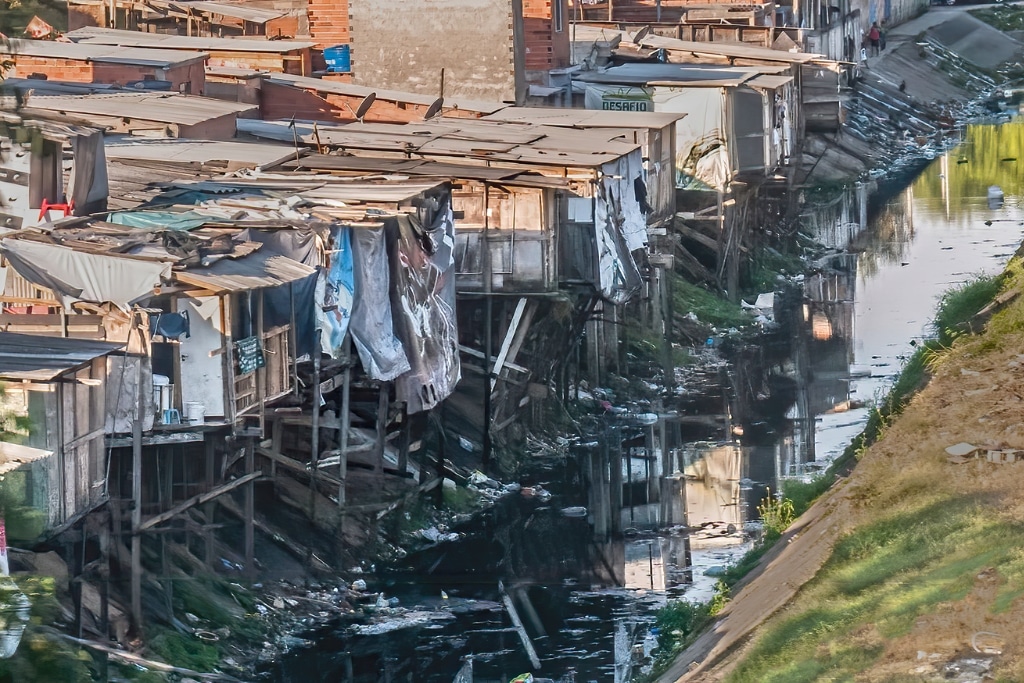
Environmental racism—a term first coined in 1982—remains a pressing global issue today, exacerbated by globalization and the uneven effects of climate change. The concept arose not from academic theories but from grassroots activism, as communities of color began to raise their voices against systemic injustices in environmental policy.
This movement gained traction when residents of Warren County, North Carolina, lay down in front of trucks delivering toxic waste to a newly approved landfill. Among the protesters was Benjamin Chavis, who articulated the plight of marginalized communities facing disproportionate exposure to environmental hazards. He described this phenomenon as “racial discrimination in environmental policy-making,” highlighting how hazardous sites are frequently situated in neighborhoods predominantly inhabited by people of color, while affluent, predominantly white communities remain largely untouched.
Fast forward four decades, and we witness a similar pattern globally. From the polluted air in South London to the contaminated water crisis in Flint, Michigan, and from Italy’s “Terra dei Fuochi” to the slums of Manila, those most affected by environmental degradation continue to be those who wield the least political and economic power. Environmental racism is not just a relic of the past; it is a present-day crisis that demands urgent attention.
📰 Table of Contents
Globalization's Role in Environmental Injustice
As multinational corporations expand their reach, they often relocate polluting industries to countries with weaker environmental regulations. This practice allows wealthier nations to enjoy lower prices on goods, while the environmental costs are offloaded onto low-income or Indigenous populations living near factories, mines, and waste sites. This is not an accident; it is a predictable outcome of global trade agreements and foreign investment incentives that reward countries for lowering their environmental standards.
This pattern manifests in the concentration of toxic exposure in regions with the least political leverage, from industrial sectors in Southeast Asia to resource extraction zones in Latin America and waste-processing hubs in Africa. The impact of this economic model extends beyond borders; it creates a cycle of exploitation that affects communities worldwide.
Globalization also complicates the issue of waste. Developed countries often export e-waste, plastics, and other discarded goods to developing nations, where informal workers handle them without adequate protections. This circumstance forces vulnerable communities to breathe in toxic fumes and work in contaminated environments.
Climate Change: An Amplifier of Inequality
Climate change does not affect everyone equally—its impacts are felt most acutely in communities already burdened by environmental hazards. For example, urban heat islands, characterized by higher temperatures in densely built areas with fewer green spaces, disproportionately affect low-income neighborhoods, which often lack trees and quality housing. These residents experience increased daytime heat, reduced nighttime cooling, and higher air pollution.
Similarly, flooding tends to hit less affluent areas first and hardest. Poor drainage systems, proximity to industrial zones, and inadequate infrastructure mean that marginalized communities are often left to deal with the aftermath of extreme weather events alone. On a broader scale, countries in the Global South, which have contributed the least to climate change, are facing some of its harshest impacts, including the most severe storms and rising sea levels.
Climate change serves as a “threat multiplier,” exacerbating existing disparities. Those already exposed to pollution and toxic sites find themselves further vulnerable to heatwaves, contaminated water, and food insecurity. This intertwining of climate change and environmental racism demands urgent action.
Urban development often reinforces these inequities. In many cities, wealthier neighborhoods boast well-maintained parks and clean air, while marginalized communities are left with inadequate green spaces and higher pollution levels. This stark division is not random; it stems from centuries of discrimination that dictate where people live, how infrastructure is built, and which areas receive public investment.
Efforts to “green” cities can sometimes backfire, leading to green gentrification, where improvements in environmental quality inadvertently displace the very communities they were meant to benefit. Studies conducted across cities like Buenos Aires, Berlin, and São Paulo consistently show that minority and low-income communities have less access to clean, safe, and well-maintained green areas—leading to immediate adverse effects including stress, poor air quality, and greater exposure to environmental hazards.
Tackling Environmental Racism
Addressing environmental racism necessitates systemic change rather than mere symbolic gestures. Empowering communities to monitor their environments enables them to document pollution and hold institutions accountable. Governments must enact equitable zoning laws and ensure transparency in environmental data, preventing marginalized neighborhoods from being sacrificed for industrial projects.
Implementing climate justice frameworks in policies can help redistribute risks and rewards more equitably. Corporations should be held accountable for pollution and waste disposal, rather than outsourcing environmental harm. Vital to this effort is the inclusion of marginalized voices in decision-making processes through participatory urban planning, ensuring that solutions recognize the intersections of race, gender, and class in shaping environmental exposure.
While environmental racism poses a significant global challenge, it is not insurmountable. With focused community engagement, equitable policies, and inclusive planning, we can rectify these injustices. By acknowledging and addressing the unequal distribution of environmental risks and benefits, we pave the way for healthier, fairer, and more resilient communities, demonstrating that a sustainable future can indeed be a just one.
Why Are Middle-Aged Men Dying 20 Years Sooner Than Women? Shocking Study Reveals Alarming Truth!

Discover the 7 Unbelievable TV Shows of 2025 That Everyone Will Be Talking About—Don't Miss Out!

Sierra Vista's Mayor Drops a Bombshell: Could This Shocking Move Shake Up CD 6?

Top Vaccine Center Reveals Shocking Secrets: Is Russia’s Sputnik Developer Hiding Something?

Saudi Arabia's Shocking New Fitness Rule: 90% of Citizens Could Fail! Are You at Risk?

D-Wave Quantum's Shocking CES 2026 Announcement: Will This Transform the Stock Market Overnight?
You might also like: