
50 Ex-Vegans Spill the Shocking Truth: You Won't Believe What Made Them Quit!


After a decade of following a vegan lifestyle, I had my share of judgments toward those who decided to abandon it. I would often see videos titled “Why I’m No Longer Vegan” and quickly dismiss them as a lack of commitment. However, my perspective shifted drastically when I began to engage with individuals who had left the vegan community. What I discovered was not an array of people simply pining for bacon or struggling with the lifestyle; rather, their experiences were layered and complex, offering valuable insights for those of us who still adhere to veganism.
I reached out to 50 former vegans who had maintained the diet for at least a year before quitting. My goal was clear: to uncover genuine reasons behind their decisions, devoid of internet drama. The findings revealed that the challenges faced by these individuals went far beyond mere cravings.
Understanding the Reasons Behind Quitting Veganism
One prevalent theme that emerged was social isolation. A staggering 23 participants cited feelings of isolation as a primary reason for their departure from veganism. This wasn’t just about having difficulty finding suitable meals at restaurants; it encompassed profound feelings of being left out, even among friends and family.
One woman shared her experience of being excluded from her book club after repeatedly declining to attend potlucks. Another individual noted that their college friends stopped inviting them out altogether. The common thread was the perception of being the person who complicates social situations, which was emotionally taxing. I empathized, having been fortunate to live in a vegan-friendly city with a supportive partner, but not everyone has that safety net.
Health issues also played a significant role, with 17 people mentioning health concerns. Interestingly, only four had consulted with a doctor or nutritionist familiar with plant-based diets. The majority seemed to arrive at their conclusions through self-diagnosis or received guidance from professionals who hastily blamed veganism for their ailments. One person relayed that their doctor insisted they needed to eat meat for iron without checking their actual levels or suggesting supplements, while another attributed digestive issues to beans rather than considering the sudden uptick in dietary fiber.
While veganism may not suit every individual, it became evident that many of these ex-vegans lacked adequate support to determine whether their issues were genuinely dietary or circumstantial. This lack of professional guidance often led to a swift decision to return to meat-based diets.
Another sobering discovery was that the vegan community itself often deterred individuals from staying committed. Twelve participants mentioned toxic interactions with other vegans, highlighting experiences of being attacked for minor missteps in their diet or being labeled as “fake vegans” for asking sincere questions. The pressure to conform to rigid expectations created a hostile environment, where one ex-vegan remarked that the judgment from fellow vegans felt harsher than that from meat-eaters.
Life transitions also proved challenging, with 11 individuals quitting during significant changes, such as pregnancy, new demanding jobs, or caring for sick relatives. In these situations, sticking to a vegan diet became one more overwhelming challenge. A new mother explained that the exhaustion from caring for her child left little energy for meal prep, and she eventually succumbed to the convenience of chicken soup offered by family members, feeling guilty every time. Another participant working multiple jobs found it easier to accept free pizza at work than to adhere to his vegan principles.
Moreover, eight participants expressed a lack of understanding regarding their motivations for going vegan in the first place. Many embarked on the journey because it seemed trendy or healthy without connecting deeply with the ethical or environmental implications behind veganism. When the novelty wore off or challenges arose, they found themselves lacking the foundational reasons to stick with it.
Financial constraints also emerged as a notable barrier. Seven individuals mentioned cost-related issues, but not just in terms of expensive vegetables. They detailed living in food deserts or moving to areas with limited access to vegan-friendly stores. One woman in a small town found her only grocery store severely lacking in produce. Another individual reported that her work schedule compelled her to rely on convenience foods, which often carried a higher price tag for vegan options compared to regular foods.
While it’s entirely possible to maintain a budget-friendly vegan lifestyle, it demands resources that not everyone possesses—time, access, knowledge, and energy. Many of these ex-vegans felt trapped between their values and the reality of their circumstances.
Reflecting on these findings has transformed my perception of what it means to be vegan. Initially, I assumed that those who quit lacked commitment. I now recognize that many were let down by the systems around them, including the vegan community itself. They required support, flexibility, and understanding but were often met with judgment and high standards.
If the aim is to encourage more individuals to adopt and maintain a vegan lifestyle, we must cultivate a movement that acknowledges the complexities of real life. This entails celebrating progress rather than perfection, providing genuine support instead of purity tests, and appreciating those who strive to do their best under challenging circumstances. These insights from 50 individuals have shown that we still have a long way to go, but understanding their experiences is a crucial step toward creating a more inclusive and supportive vegan community.
Samsung's Shocking New Camera Tech Promises to Erase Motion Blur—Are Your Photos About to Get a MAJOR Upgrade?
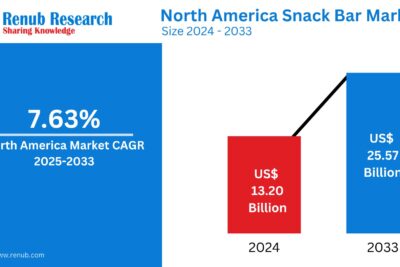
Are You Ready for the Snack Bar Explosion? Shocking Market Trends Revealed for 2025-2033!

Bitcoin's Shocking 2026 Prediction: Will It Soar to $250,000 or Crash? Find Out NOW!

Shocking Truth: 70% of Care Workers Skip Flu Shots Because of Viral Myths—What They Don’t Want You to Know!

You Won't Believe How the Thunder's 24-1 Start Stacks Up Against the Legendary 2015-16 Warriors!

This Saturday, Vinton's Mayor's Race Could Change EVERYTHING—Who Will Grab Power?
You might also like: