
Samsung's Shocking New Camera Tech Promises to Erase Motion Blur—Are Your Photos About to Get a MAJOR Upgrade?

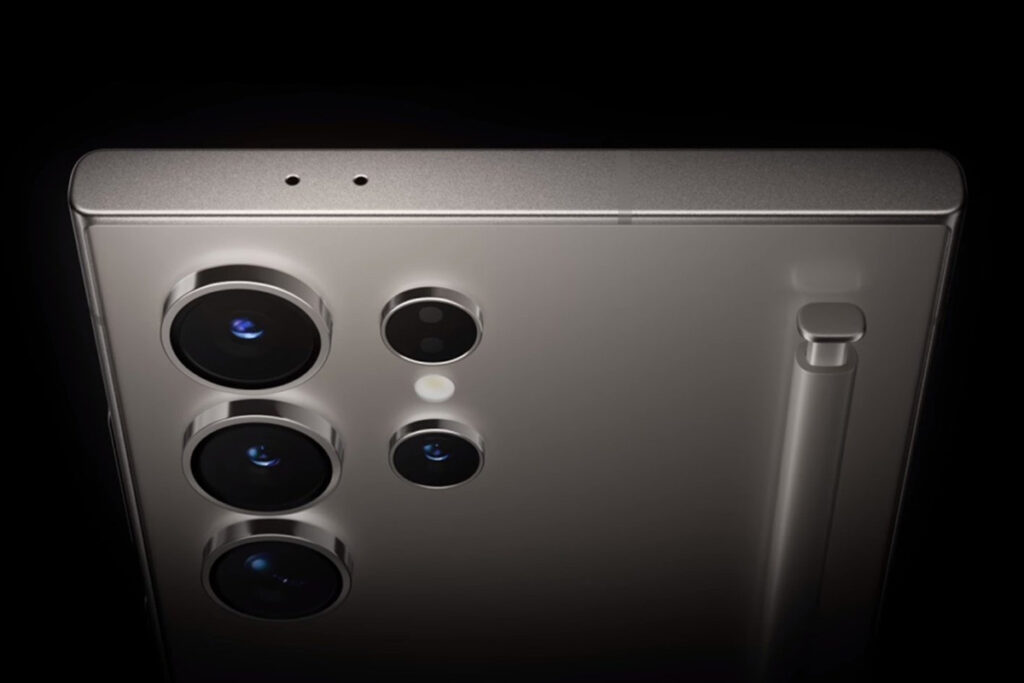
Samsung is taking a significant step to enhance the photography experience on its Galaxy smartphones, addressing long-standing complaints about motion blur in photos. According to a report from Sisa Journal, the tech giant is developing a new camera sensor specifically designed to tackle this issue, which has been particularly problematic in low-light conditions.
Motion blur occurs when the shutter speed of a camera is set too slowly, leading to distorted images if the user moves even slightly before the photo is captured. This issue has plagued users of Samsung's smartphones, especially during nighttime photography when lighting is less than optimal. Traditionally, Samsung's cameras have relied on a rolling shutter method for image capture, which has contributed to the motion blur effect.
However, the new sensor technology, described as a "global shutter-level image sensor," aims to replace this method. This innovative sensor would capture all pixels in the frame simultaneously rather than sequentially, which is the primary cause of motion blur in current models, including the anticipated Galaxy S25 series.
Advancements and Challenges Ahead
Despite the promise of this new technology, there are challenges to consider. One major drawback is the slower processing speed that often accompanies global shutter systems. Additionally, these sensors typically require larger physical dimensions, which may pose a challenge in fitting them into the slim design of modern smartphones.
To overcome these hurdles, Samsung is reportedly combining pixel structure and algorithm technology from its existing rolling shutter hardware. By incorporating an analog-to-digital converter within the sensor's pixels, the camera will be able to read data more efficiently, effectively addressing the slower processing speed.
Moreover, the new design aims to maintain a pixel size of 1.5µm within a "2x2 bundle," where one converter services every four pixels. While this approach promises to enhance image capture, it does bring the risk of slight image distortion. Samsung plans to mitigate this by implementing advanced algorithms designed for motion compensation, which should help produce clearer images even in challenging conditions.
The new camera technology is currently under development for Samsung's Galaxy S-series. While no specific model has been confirmed, speculation suggests that it could debut with the upcoming Galaxy S26 lineup, which is anticipated to launch in early 2026. However, there's a possibility that this enhancement could also be integrated into other devices released later this year, such as the upcoming Galaxy Z foldables.
As smartphone photography continues to evolve, the introduction of this global shutter-level image sensor could represent a significant leap forward for Samsung, positioning it to compete more effectively in a crowded market where camera quality is a key differentiator. For users who have been frustrated with motion blur in their photos, this development could mean brighter, clearer, and more dynamic images, wherever they choose to capture their moments.
Are You Ready for the Snack Bar Explosion? Shocking Market Trends Revealed for 2025-2033!

Bitcoin's Shocking 2026 Prediction: Will It Soar to $250,000 or Crash? Find Out NOW!

Shocking Truth: 70% of Care Workers Skip Flu Shots Because of Viral Myths—What They Don’t Want You to Know!

You Won't Believe How the Thunder's 24-1 Start Stacks Up Against the Legendary 2015-16 Warriors!

This Saturday, Vinton's Mayor's Race Could Change EVERYTHING—Who Will Grab Power?

Turkey's Bold Move: Are Startups Ready for a Shocking AI Revolution? You Won't Believe What’s Next!
You might also like: