
This Shocking Fitness Trend for the Over 60s Could Add 10 Years to Your Life—Are You Missing Out?

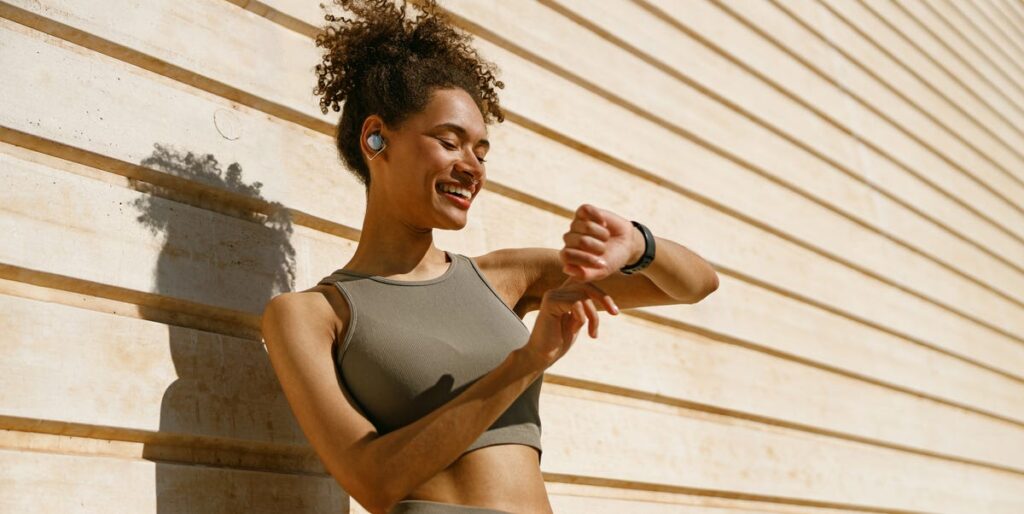
Japanese walking is rapidly gaining traction as the hottest fitness trend of 2026, with Google searches for the term skyrocketing by an astounding 2,968% after going viral on TikTok. But does this trend really deliver on its promises? That question is at the heart of research by Jack McNamara, a senior lecturer in clinical exercise physiology at the University of East London, who has scrutinized various TikTok fitness phenomena, including the Japanese walking method.
📰 Table of Contents
The Method Behind Japanese Walking
This unique approach, as developed by researchers at Shinshu University in Japan, involves alternating between three minutes of fast walking and three minutes at a moderate pace, repeated over a 30-minute period. According to Kim Hawley, a fitness expert from Good Housekeeping, this method is simple yet effective. A randomized controlled trial involving 246 adults with an average age of 63 demonstrated that those practicing this interval walking method reported significantly greater improvements in thigh muscle strength, aerobic capacity, and blood pressure compared to those who walked at a steady pace. A 2024 review only reinforced these benefits, suggesting that this could be a game changer for individuals looking to elevate their everyday walking routine.
In a world where many fitness fads come and go, Japanese walking stands out for its scientific backing. It offers an easy, free, and sustainable way to enhance physical health—perfect for those looking to boost their daily exercise without necessitating significant lifestyle changes.
What About 75 Hard? Is It Worth the Hype?
Contrastingly, the "75 Hard" challenge has emerged as a particularly grueling fitness regimen. Participants commit to a strict regimen for 75 days, which includes drinking eight pints of water, completing two 45-minute workouts, and reading 10 pages of non-fiction daily. While some, like Paddy McGuinness, tout its effectiveness in transforming bodies, McNamara urges caution. The no-rest-days rule is problematic, as true physiological adaptation occurs during recovery, not during exercise.
McNamara warns that overtraining can lead to chronic fatigue, declining performance, and increased susceptibility to illness and injury. This grueling routine also far exceeds the NHS guidelines, which recommend a weekly minimum of 150 minutes of moderate-intensity or 75 minutes of vigorous activity. For those over 60, a more realistic option might be the newly proposed "75 Soft," which encourages sustainable changes such as eating well, limiting alcohol intake, and incorporating a single 45-minute workout each day while allowing for recovery time.
The Benefits of Dead Hangs
Another fitness trend garnering attention on social media is "dead hangs"—a simple exercise involving hanging from a pull-up bar to enhance grip strength. McNamara emphasizes the importance of grip strength as a crucial measure of longevity. Studies show that improved grip strength correlates with less heart disease, cancer, and frailty. Furthermore, an analysis of 500,000 people in the UK Biobank revealed a strong link between grip strength and cognitive functions such as memory and problem-solving skills.
While dead hangs are beneficial, McNamara advises that they shouldn't be the sole focus. Engaging in a variety of exercises—including squats, planks, and resistance training—can provide a more well-rounded approach to fitness, especially for those over 60.
The Rise of Pilates
In terms of popular fitness activities, Pilates is currently the most-booked workout globally on ClassPass, with reservations increasing by 66% since 2024. A systematic review has shown that Pilates significantly improves flexibility and dynamic balance, with moderate evidence supporting its benefits for muscular endurance. These elements can be particularly valuable for older adults, as Pilates is low-impact and accessible for those with mobility issues or joint pain. Moreover, several studies have linked Pilates to protection against cognitive decline, and according to the Royal Osteoporosis Society, it can help maintain bone strength and improve muscle strength and balance.
As we navigate the complex landscape of fitness trends, it's crucial to discern which methods are genuinely beneficial versus those that might lead to injury or burnout. Whether you choose to incorporate Japanese walking, consider the implications of a challenge like 75 Hard, focus on grip strength, or opt for Pilates, understanding the science behind these activities can help you make informed decisions for your health and well-being.
Nigeria's Stock Market Soars 2.2%—Are You Missing Out on This 2026 Investment Goldmine?

A Shocking Stock Market Signal Just Emerged – Experts Warn of a 30% Plunge Ahead! Are You Prepared?

Is Your 401(k) Safe? Shocking Market Surge Amid Iran Turmoil Leaves Experts Divided!

Arsenal vs. Atletico Madrid: The Shocking Truth Behind This Champions League Showdown! Will History Repeat?

Taiwan's Halal Food Push: 5 Shocking Health Benefits You Never Knew About! Don’t Miss Out!

Australia's Shocking Triumph: 30th Nation to Banish Trachoma—What This Means for Millions!
You might also like: