
Australia's Shocking Triumph: 30th Nation to Banish Trachoma—What This Means for Millions!

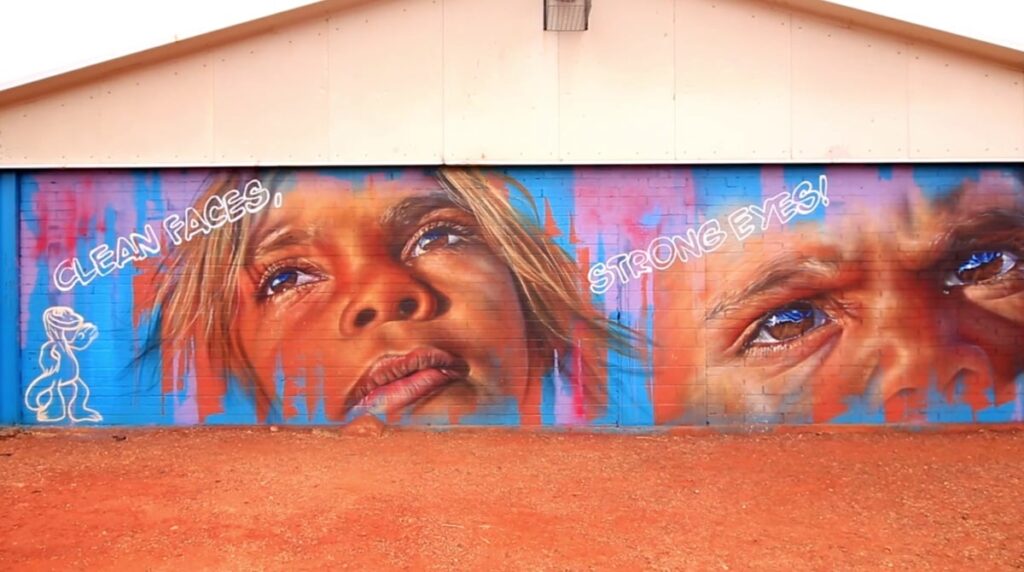
The World Health Organization (WHO) has officially validated Australia for eliminating trachoma as a public health problem, a monumental achievement that underscores significant progress in global health efforts, particularly for indigenous populations. Trachoma, which is the leading infectious cause of blindness worldwide, no longer poses a public health threat in Australia, marking a pivotal moment in the battle against neglected tropical diseases (NTDs).
Australia joins an increasing number of countries that have successfully eradicated trachoma, aligning with the targets outlined in the WHO road map for NTDs from 2021 to 2030. This notable accomplishment speaks volumes about the collective effort to combat diseases that have long affected marginalized communities.
Trachoma is caused by the bacterium Chlamydia trachomatis and is transmitted through close contact with infected individuals, contaminated surfaces, and flies that come into contact with eye and nose discharges. If left untreated, repeated infections can lead to severe scarring of the eyelids, causing the eyelashes to turn inward and ultimately resulting in blindness.
“WHO congratulates Australia on this important achievement,” stated Dr. Tedros Adhanom Ghebreyesus, WHO Director-General. “This success reflects sustained commitment, strong partnerships, and a focus on reaching populations most affected by health inequities. It brings us closer to a world free from the suffering caused by trachoma.”
📰 Table of Contents
The Journey to Elimination
Australia's path to eliminating trachoma is rooted in decades of targeted public health interventions, especially within remote Aboriginal and Torres Strait Islander communities, where the disease persisted after disappearing in other parts of the country. The national focus on this issue intensified with the introduction of the National Trachoma Management Programme in 2006, which adopted the WHO-recommended SAFE strategy: surgery for trichiasis, antibiotics for treatment, facial cleanliness promotion, and environmental improvement.
Regular screenings in at-risk communities were a critical component of the program, carried out by qualified health workers. Over the years, a combination of sustained screening, treatment, and preventive measures—such as improved housing, water access, sanitation, and hygiene—has led to a significant decline in trachoma prevalence. Australia's approach was tailored to local conditions, opting for targeted treatment based on community-level data rather than broad drug administration, while also seamlessly integrating with environmental health initiatives.
“Elimination of trachoma is a win for the eye health of communities across Australia, particularly those whose lives have been impacted by a disease that is entirely preventable,” remarked Mark Butler, Australia’s Minister for Health and Ageing. “This major milestone is thanks to Aboriginal and Torres Strait Islander leadership, community commitment, and sustained investment over many decades.”
“This recognition from the World Health Organization reflects decades of work led by Aboriginal Community Controlled Health Organisations, alongside local health workers in remote First Nations communities,” added Malarndirri McCarthy, Minister for Indigenous Australians. “Their work has been critical to eliminating trachoma as a public health problem in Australia.”
Broader Implications for Neglected Tropical Diseases
Trachoma is one of the 21 diseases classified as NTDs by the WHO, which collectively affect more than 1 billion people globally, predominantly in underserved populations lacking access to essential services such as clean water, sanitation, and healthcare. Australia's achievement in eliminating trachoma highlights the necessity of sustained political commitment and cross-sector collaboration to address the underlying determinants of health.
This milestone marks the first time that the WHO has confirmed the elimination of an NTD in Australia, making it the 63rd country worldwide and the 16th in the Western Pacific Region to achieve this status. In addition to trachoma, Australia is also grappling with several endemic NTDs, including Buruli ulcer, leprosy, and scabies.
“Tackling neglected tropical diseases in the Western Pacific Region has long been a challenge for countries across the socioeconomic spectrum, given the complexities in reaching the most vulnerable communities, including in remote areas,” said Dr. Saia Ma’u Piukala, WHO Regional Director for the Western Pacific. “But I also know that with strategic commitment underpinned by optimal resources and partnerships in health, success is possible as other countries in our region have also demonstrated. I commend Australia on eliminating trachoma as a public health problem and urge all involved to remain vigilant to ensure this status is maintained.”
The WHO continues to lend support to countries striving to eradicate trachoma and other NTDs, emphasizing the importance of reaching those most in need and ensuring that progress is sustained through robust surveillance and integration into national health systems.
As Australia moves forward, the lessons learned from its fight against trachoma could inform strategies for addressing other preventable health conditions in remote and regional areas, showcasing the power of community-led solutions and culturally safe healthcare initiatives.
You Won't Believe What Governor Spanberger Just Signed on Day 100—Is This a Game-Changer for Education?
You Won't Believe What Happens in 'The Devil Wears Prada 2'—Kacey Musgraves and 'Euphoria' Stars Join the Drama!

My Son's Shocking Denial: Can He Really Drink 15 Beers a Day and Still Think He's Fine?

Scientists Discover Shocking New Immune Pathway That Could DOUBLE the Effectiveness of mRNA Cancer Vaccines!

You Won’t Believe What This 10-Minute Daily Workout Did for My Life—And I’m Not Even a Runner!

Is Flutter Entertainment's (NYSE:FLUT) Price Plunge Hiding a Secret Goldmine? Discover Now!
You might also like: