
Why You Should NEVER Upgrade That Old Phone: Shocking Secrets Inside!

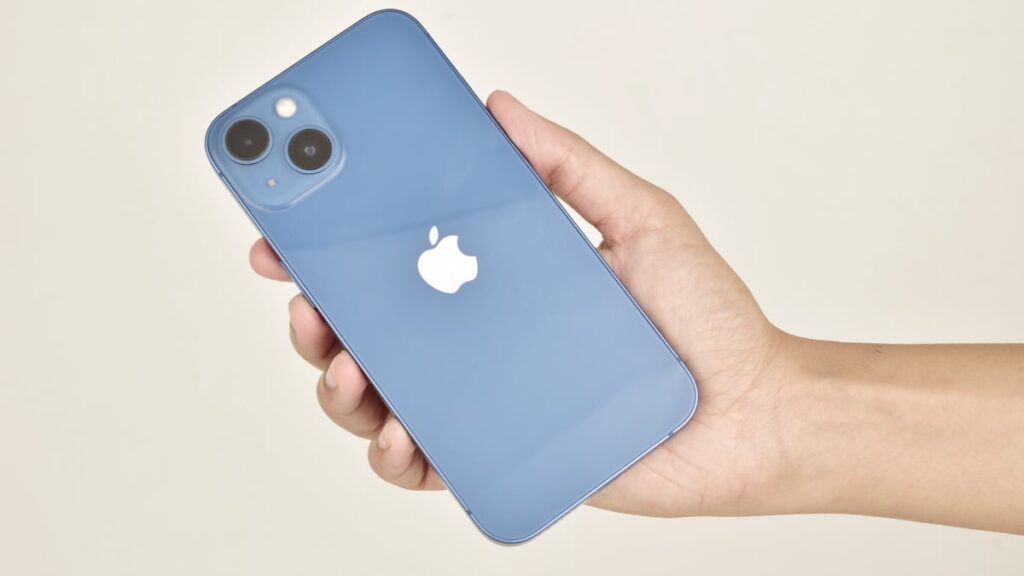
In an age where technology evolves at breakneck speed, the pressure to keep up can be overwhelming. Many people rush to buy the latest smartphone as soon as it hits the shelves, often with the expectation of impressing others. A personal anecdote illustrates this perfectly: a former manager would eagerly run to the store on the release day of a new iPhone, flaunting his latest gadget to his team, who felt compelled to express admiration. On the other hand, I’ve held on to my iPhone 13 Pro since its release in 2022, even as it struggles to hold a charge. While my device still functions, it requires direct connection to my laptop to recharge, signaling that our time together is running out.
My hesitance to purchase a new smartphone stems from both anxiety—remembering my Apple ID and facing potential sticker shock at the price of an iPhone 16 or 17—and a sense of pride in resisting the consumerist fever that seems to grip so many. There’s a tangible benefit, not just for my wallet but also for the planet, in extending the life of my device as long as I can. Here are five compelling reasons to consider slowing down your smartphone upgrade.
📰 Table of Contents
The Environmental Cost of a New Smartphone
Smartphones are intricate devices, requiring at least 70 elements—including indium, nickel, and magnesium—to manufacture. The production process alone, from metal extraction to shipping, accounts for an alarming 85 percent of a device’s carbon footprint, according to FairPlanet.org. This environmental burden disproportionately affects impoverished nations, such as the Democratic Republic of Congo, which supplies a significant portion of the cobalt used in lithium-ion batteries. Workers in these regions often endure harsh conditions, as highlighted by Siddharth Kara, a fellow at Harvard's T.H. Chan School of Public Health, in his discussions with NPR.
By using your smartphone for its full lifecycle, you can indirectly push companies like Apple and Google to reconsider the scale of their production efforts, potentially encouraging a more sustainable approach.
Moreover, what happens to all those discarded devices? Many Americans, like my former manager, stash their old phones away, only to eventually toss them during spring cleaning or moving day. In 2022 alone, approximately 62 million tons of electronic waste were released into the environment, according to the World Health Organization. E-waste leaches harmful pollutants like lead and mercury, further exacerbating environmental issues. Interestingly, only 39 percent of individuals have ever recycled their old phones, according to a recent CNET survey, which is an improvement from just 7 percent in a YouGov survey from 2024. Recycling options exist and should be utilized to mitigate this issue.
The Economic Reality of Upgrading
With the current economy in mind, investing in a new smartphone can be daunting. As of April 2026, the cost for an iPhone 17e is around $599, while a standard iPhone 17 retails for $799, and the iPhone 17 Pro costs $1,099. The latest Google Pixel 10 Pro also starts at $999. In a world where these devices can become outdated in a matter of months, one must weigh the financial burden against the fleeting satisfaction of owning the latest model.
Interestingly, a clunky, older phone can lead to less screen time. For example, during a recent trip to Disneyland, I intentionally limited my phone use, knowing the battery wouldn't last if I checked the news frequently. By setting it aside, I found myself more engaged with my children, creating games and soaking in the surroundings instead of being glued to a screen. This is particularly relevant today, as studies show that reducing screen time—especially on social media—can have various mental health benefits.
Despite the push for new devices, it’s essential to remember that smartphone manufacturers are, quite frankly, doing just fine. Apple reached a market capitalization of $4 trillion in November 2025, making it wealthier than nearly every nation on Earth, except the U.S., China, Germany, and Japan. Alphabet, the parent company of Google, is similarly valued, while Samsung boasts a nearly $1 trillion market cap. This highlights that these companies do not necessarily rely on every consumer upgrade to remain profitable.
Ultimately, if the environmental impact of upgrading isn’t your primary concern, consider this: there are local businesses that could greatly benefit from your hard-earned money rather than contributing to the wealth of tech giants in Silicon Valley. It’s worth pondering how extending the life of your device not only serves the environment but also your pocketbook.
In a culture that prizes the newest and flashiest technology, taking a step back can yield numerous benefits. Slowing down your smartphone upgrade cycle may not just be good for you; it can also be a small, yet significant, act of environmental stewardship.
Is Pete Hegseth Really Defending Our Warriors from Mandatory Flu Shots? Shocking Truth Revealed!

Is Iran's Bold Move to Seize Ships in the Strait of Hormuz a Prelude to War? Shocking Consequences Await!

Oura Health's Shocking Patent Battle: Will Your Favorite Fitness Tech Be Affected?
You Won't Believe Why Access to This Page Is Denied—The Shocking Truth Revealed!

Iran's Shocking Move: 5 Ships Seized! Trump’s Controversial Response Will Leave You Speechless!

Real Estate Agent's Wild Game of Hide-and-Seek: You Won't Believe What Homes Are Hiding!
You might also like: