
Beacon Hill's Bold Move Against Big Tech: Will Your Privacy Survive This Shocking Showdown?

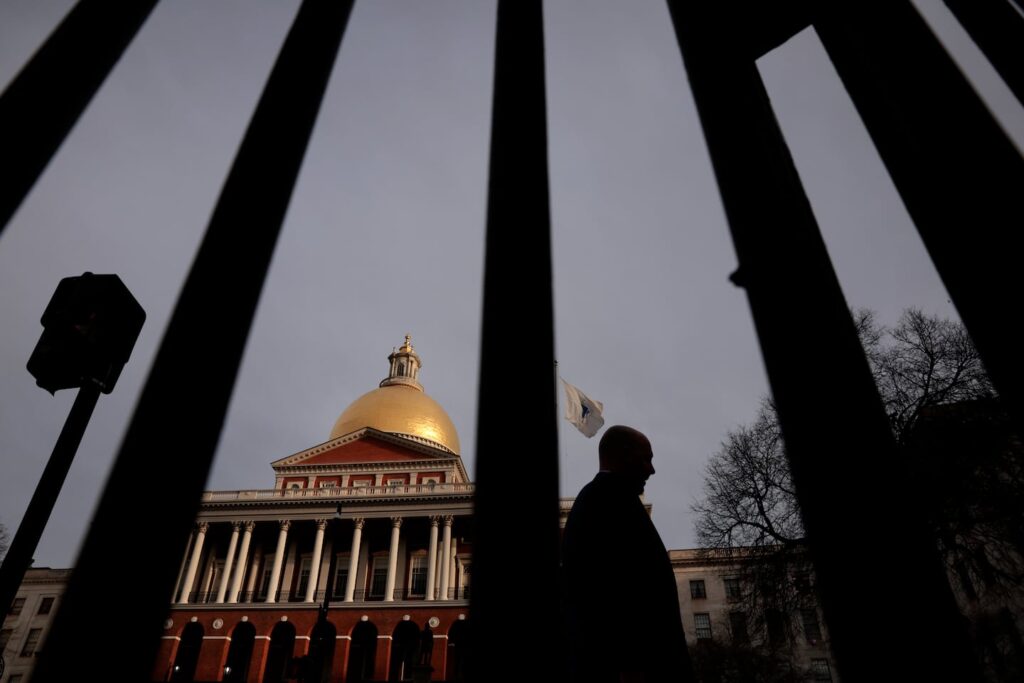
As lawmakers grapple with the complexities of social media's effects on youth, new proposals in Massachusetts are igniting a contentious debate. On one side, advocacy groups like Act On Mass express skepticism about the state legislature's understanding of the issues at hand. “It does not appear to us that they know what they’re doing,” said Scotia Hille, reflecting the frustration felt by many as the state attempts to regulate Big Tech.
Advocates for digital rights, including Evan Greer, director of Fight for the Future, criticized the current legislation as lacking substance. “I completely understand the urgency around this issue, and I appreciate that lawmakers want to do something about the harmful and predatory business practices of Big Tech,” Greer stated. However, she added that the proposed laws feel more like “vibes-coding policy,” focusing on headlines rather than meaningful change.
The legislation in question, introduced by Governor Maura Healey, aims to restrict social media use for teenagers. Among its stipulations, it proposes limiting usage to just two hours per day and implementing age verification measures that would require parental consent for users aged 14 and 15. These proposals have emerged shortly after recent jury decisions awarded millions to plaintiffs in lawsuits claiming that platforms like Facebook and YouTube have harmed young users.
Despite the good intentions behind these bills, civil liberties organizations warn that they may inadvertently compromise online privacy. Some critics argue that age verification processes could result in extensive data collection from users, including sensitive personal information. “Children need to learn how to use social media so they aren’t using it irresponsibly,” said Max Nash, a junior at Mashpee High School and founder of the Coalition for Student Mental Health. He emphasized the importance of educational approaches over outright bans.
Support for the bills comes from various groups, including teachers’ unions and health professionals, who cite research indicating that early social media exposure can lead to mental health issues and academic challenges. Representative Kenneth Gordon, chair of the education committee, noted that these proposals are modeled after a Florida law that has faced ongoing legal challenges regarding its constitutionality. If passed, Massachusetts would join 17 other states that have enacted similar restrictions on minors’ social media access.
However, the proposed laws could face significant First Amendment obstacles. Critics argue that limitations on young people's online presence may hinder free expression, particularly for marginalized groups seeking community and support. “Dealing with [social media] via blunt instruments like age verification and bans... does not change the incentives that created the problems in the first place,” cautioned Kate Ruane, director of the Free Expression Project at the Center for Democracy and Technology.
Age verification requirements, if enacted, would likely necessitate that users provide personal identifying information, potentially complicating access for those without government-issued IDs. Paul Taske, co-director of the NetChoice Litigation Center, noted that such laws often lead to “blocking or restricting access” disproportionately affecting minors and even adults seeking lawful forms of expression.
Concerns about cybersecurity also loom large. Experts warn that children may bypass tracking measures, while data collected for age verification could be vulnerable to hacking. More than 400 cybersecurity professionals from institutions like MIT and Tufts University recently signed a public letter urging a moratorium on these age verification laws, describing them as likely to do more harm than good.
Adding to the complexity, the age verification requirements could conflict with a separate data privacy bill passed by the state Senate last fall, which aims to limit data collection practices and protect minors’ personal information. Senate majority leader Cynthia Stone Creem highlighted the need for a balance between protecting children and respecting First Amendment rights.
Moreover, the urgency with which the House is pushing these measures has drawn criticism from government watchdogs. The social media proposal was unveiled alongside a cellphone ban in schools and passed just two days later, shocking some advocates who had been involved in discussions about the bill's components. Deb Schmill, head of the Becca Schmill Foundation, expressed concern that the rushed legislative process risks undermining the effectiveness of both measures.
Historically, Massachusetts has struggled to adapt to the rapid pace of technological change, often stumbling in its attempts to regulate evolving industries. Implementing a two-hour limit across various social media platforms owned by different companies presents its own set of challenges, with Healey stating that it would be up to tech companies to enforce these limits.
The implications of such legislative action are significant. While aimed at protecting youth, there are fears that these restrictions could limit the ability of teenagers to engage politically, express themselves, or find supportive communities online. Teddy Walker, a 21-year-old Bostonian and advocate for trans rights, emphasized the crucial role social media played in his formative years, providing him with vital resources and a sense of belonging.
As Massachusetts moves forward with these proposals, the ongoing debate underscores the complexities of regulating technology while safeguarding individual rights. The outcome may well set a precedent for how states balance the need for protection against the pressures of a rapidly changing digital landscape.
Peru's Presidential Election Results Delayed: What Shocking Truths Will Emerge by Mid-May?

Mark Wahlberg's 4AM Fitness Secret: What He Does by 5AM Will Shock You!

Why Are Phoenix, Denver, and Las Vegas Suddenly at Risk of Economic Collapse? Shocking Truth Revealed!

Shocking Real Estate Deals in Chartiers Valley: Are You Missing Out on These Surprising Sales?

Keisha Lance Bottoms’ Shocking Memoir Reveals the Untold Secrets Behind Her Political Rise!

You Won't Believe How 10 Simple Strategies Could Skyrocket Voter Centers This Year!
You might also like: