
Why Are Phoenix, Denver, and Las Vegas Suddenly at Risk of Economic Collapse? Shocking Truth Revealed!

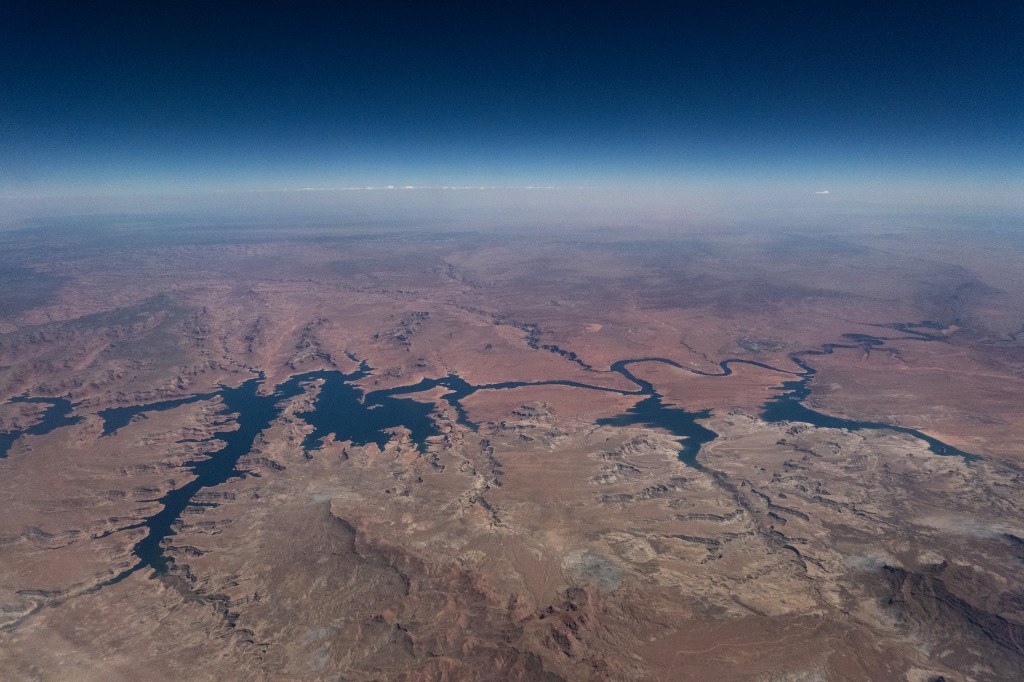
As urban areas grapple with the pressing challenge of water scarcity, cities often resort to measures such as limiting lawn watering and launching conservation campaigns. While these demand management techniques have shown success in reducing water consumption, new research indicates that they may not suffice in the face of climate change.
This research, focusing on three cities in the Colorado River Basin—Phoenix, Las Vegas, and Denver—aimed to explore strategies to enhance demand management amid escalating water shortages. The findings suggest that the region must consider more extensive solutions to address the ongoing crisis.
📰 Table of Contents
The Colorado River's Diminishing Supply
The Colorado River is a vital resource, supplying drinking water to nearly 40 million people and irrigating over 5.5 million acres of farmland. However, the river's water availability has significantly diminished over recent decades, driven by increased demand and an enduring megadrought affecting the Southwest. The seven states within the basin established the Colorado River Compact in 1922 to regulate water withdrawals and ensure equitable sharing. Yet, as negotiations for a new compact begin in 2026, the reality remains that the basin's water supply continues to shrink.
Research indicates that escalating climate change will lead to more frequent and intense droughts, jeopardizing water supplies for agriculture, urban areas, and energy systems. Consequently, studying the effectiveness of demand management techniques under these intensifying conditions has become crucial.
Many existing demand management policies are reactive, implemented only when water sources run low. Though effective during periods of scarcity, such policies often trigger a rebound effect, resulting in increased water consumption post-crisis. The study combined survey data with a computer model of water availability, demonstrating that long-term community engagement and positive attitudes toward conservation can yield lasting benefits.
The survey uncovered that while a significant proportion of residents supported water conservation, many were not actively participating in local initiatives. This gap between support and action highlights a potential avenue for improvement in conservation efforts.
Proven Strategies and Limitations
Interestingly, the research illustrated that collective individual actions can lead to substantial improvements in water supply reliability. A notable example is Las Vegas, traditionally seen as a city of excess. Since 2002, Las Vegas has reduced its per-capita water use by nearly 60%, despite a population increase of over 50%. This success can be attributed to measures like reducing seasonal irrigation, replacing high-water-use landscaping, and requiring sustainable practices in new developments.
Phoenix has also made strides through successful conservation programs that promote desert-friendly landscaping and the installation of low-flow devices, achieving a 20% reduction in water use over 20 years while experiencing a 40% growth in population. However, these demand management techniques face limitations.
Modeling future climate scenarios revealed that even with increased conservation efforts, water availability could still reach critically low levels, rendering these measures ineffective. For instance, projections suggest that Phoenix's available surface water supply could drop below historical averages by 2060 under a moderately high emissions scenario, indicating that conservation efforts may not offset upstream flow reductions.
Similar outcomes were found in Denver and Las Vegas, reinforcing the idea that even moderate climate change could create severe scarcity conditions that demand more than just demand-side changes.
Given these findings, cities will need to explore alternative solutions, such as water reuse, desalination, and managing water consumption in sectors like agriculture and energy. However, these solutions often require significant investment and time to implement. For example, the recently constructed desalination plant in Carlsbad, California, cost $1 billion—four times the initial estimate—demonstrating the high financial stakes involved in addressing water scarcity.
Furthermore, reducing agricultural water use necessitates cooperation from local farmers and could impact food production. Investing in renewable energy technologies that require less water than conventional fossil fuels or nuclear energy will also be essential to address water shortages effectively.
While demand management strategies are an important step forward, they may not be sufficient to ensure a sustainable water supply in the face of climate change. The reality is clear: as urban water crises become more frequent, cities will need to adopt innovative approaches beyond merely encouraging conservation.
Shocking Real Estate Deals in Chartiers Valley: Are You Missing Out on These Surprising Sales?

Keisha Lance Bottoms’ Shocking Memoir Reveals the Untold Secrets Behind Her Political Rise!

You Won't Believe How 10 Simple Strategies Could Skyrocket Voter Centers This Year!

New Jersey Governor's Shocking Claim: Why $100 Train Tickets from NYC Are Just the Beginning!

Skydiver’s Life Hangs by a Thread During Shocking College Football Rescue – You Won’t Believe What Happened Next!

You Won't Believe What New Orleans' Dawn DeDeaux Unleashed at the Venice Biennale – Shocking Art That Could Change Everything!
You might also like: