
New Jersey Governor's Shocking Claim: Why $100 Train Tickets from NYC Are Just the Beginning!

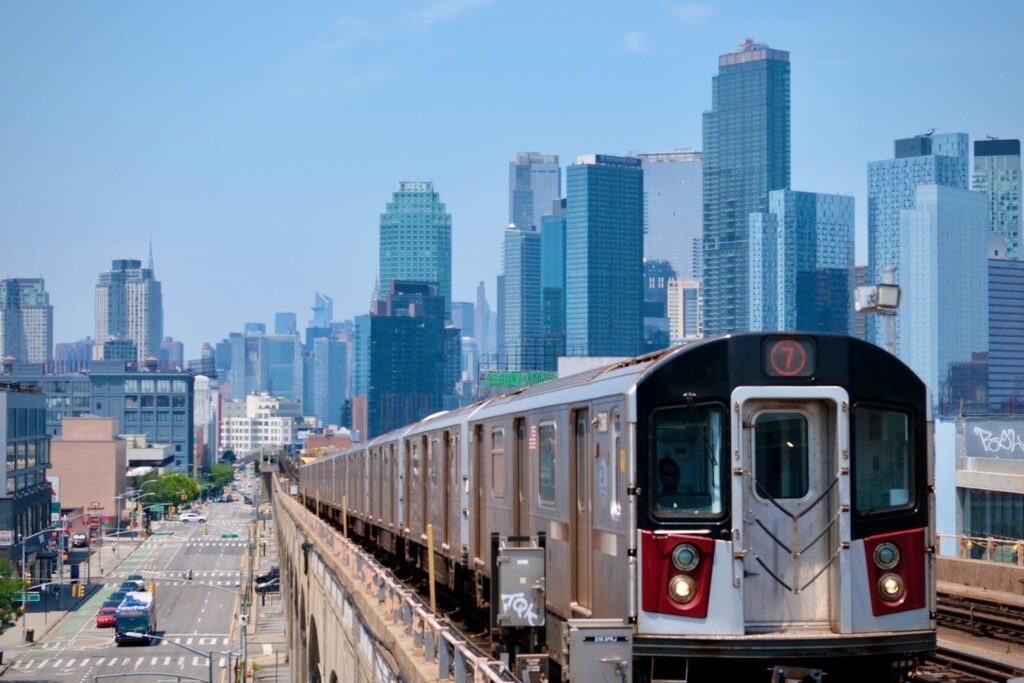
The upcoming 2026 FIFA World Cup is being branded as the most expensive World Cup in history, and the ticket prices reflect that. However, the financial implications extend beyond just entry fees, creating a ripple effect impacting transportation costs, particularly for fans traveling to matches. This week, The Athletic reported startling news regarding train fares between New York and New Jersey, home to the MetLife Stadium, which will host eight matches, including the final on July 19.
Typically, a 30-minute train ride from Penn Station to MetLife Stadium costs around $12.90. However, on match days, that price could surge to over $100, with no discounts offered for children or seniors. This spike illustrates a broader trend of price hikes observed in other cities, such as Foxborough, Massachusetts, where train tickets have reportedly risen to $80.
Mikie Sherrill, the Governor of New Jersey, has publicly criticized FIFA for not offering any financial support for public transportation associated with the World Cup. “We inherited an agreement where FIFA is providing $0 for transportation to the World Cup," Sherrill stated. "And while NJ TRANSIT is stuck with a $48 million bill to safely get fans to and from the games, FIFA is making $11 billion.” This staggering contrast highlights the financial burden placed on local infrastructure and taxpayers.
In light of these circumstances, Sherrill justified the decision to raise train ticket prices for tourists, noting that local residents would not face fare increases for the rest of the year. “I’m not going to stick New Jersey commuters with that tab for years to come. FIFA should pay for the rides. But if they don’t—I'm not going to let New Jersey get taken for one,” she said, emphasizing the financial disparities at play. The governor pointed out that FIFA is making approximately $11,000 off of the tournament with tickets for the final costing fans up to $10,000.
The situation raises critical questions about the financial ethics surrounding major sporting events and their impact on local communities. With substantial revenues generated from events like the World Cup, many argue that governing bodies such as FIFA should invest back into the host cities, particularly in areas like transportation and public services that are significantly strained by the influx of tourists.
As the World Cup draws nearer, the ballooning costs for both tickets and transportation are likely to remain a contentious issue. Local residents and commuters are left to navigate these challenges while the event promises to generate significant global attention and revenue. The situation encapsulates the tension between global sporting events and the local realities faced by ordinary citizens, reminding us that the impact of such grand spectacles extends far beyond the playing field.
Skydiver’s Life Hangs by a Thread During Shocking College Football Rescue – You Won’t Believe What Happened Next!

You Won't Believe What New Orleans' Dawn DeDeaux Unleashed at the Venice Biennale – Shocking Art That Could Change Everything!

This $80K Cryptocurrency Could Skyrocket to $300K—Are You Ready to Miss Out?

This One Growth Stock Could Soar 100%—Are You Ready to Risk Missing Out?

The Shocking Truth About Men’s vs. Women’s Running Shoes: What I Discovered Will Change Your Game!

Shocking Discovery: How One University’s Model Could Predict Measles Outbreaks—Are You at Risk?
You might also like: