
Your Morning Coffee Could Skyrocket $2 Overnight! Discover the Shocking Impact of Climate Change Now!

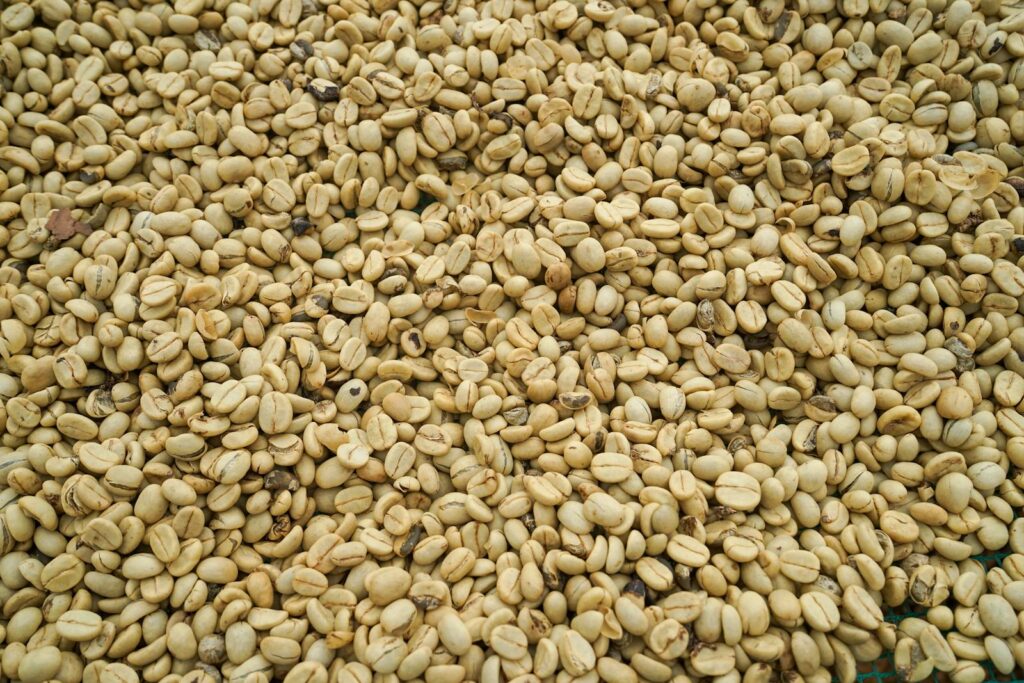
Over the past two years, the price of a bag of whole-bean coffee at local grocery stores has surged by approximately 30 percent. If you’ve noticed your coffee budget quietly increasing, you’re not imagining it. This rise can be attributed to a convergence of climate pressures that are fundamentally reshaping coffee cultivation, its cost, and what we can expect our morning brew to taste like in the future.
The “coffee belt,” the equatorial zone where arabica and robusta beans flourish, is shifting in real time due to rising temperatures, erratic rainfall, and extreme weather events. These changes are squeezing production in traditional coffee-growing regions while creating new, sometimes unexpected areas for cultivation.
📰 Table of Contents
The Legacy of Coffee in a Warming World
Coffee itself has a rich history, with arabica beans tracing their origins back approximately 600,000 years to a natural hybridization event. This historical context means arabica has adapted to a stable climate characterized by moderate temperatures, consistent rainfall, and high-altitude growing conditions. However, as climate stability decreases, arabica’s well-documented sensitivity to temperature and moisture becomes a serious concern.
Arabica thrives best in temperatures between 64°F and 72°F and needs an annual rainfall of about 1,500 to 2,000 millimeters. Even slight deviations can adversely affect yield and flavor. While robusta, the hardier cousin used mainly for instant coffee, can tolerate warmer conditions, it too faces limits as temperatures in key growing regions continue to rise.
The realities of climate change are no longer hypothetical. A study reported by Down To Earth emphasized that coffee production is under significant threat from drought, heat stress, and shifting pest ranges—issues that are already affecting current harvests.
Brazil, the world’s largest coffee producer, offers a striking example. In the Minas Gerais state, responsible for nearly half of Brazil’s arabica output, severe frosts and prolonged droughts have dramatically reduced yields and driven up futures prices. Similarly, Vietnam, the leading producer of robusta coffee, has encountered irregular monsoon patterns disrupting their harvest cycles.
Research suggests that by 2050, up to 50 percent of land currently utilized for coffee may become unsuitable for cultivation under moderate warming scenarios. The International Coffee Organization has identified supply instability as a structural concern, not merely a seasonal blip.
Emerging Problems with New Solutions
As established regions grapple with these challenges, coffee cultivation is migrating to higher elevations in countries like Colombia, Ethiopia, and Kenya. Regions once deemed too cool for commercial production—such as parts of Southern China and Nepal—are now being reconsidered. However, this transition poses secondary challenges. Farmers in traditional regions, who have meticulously honed their craft over generations, find their livelihoods at risk. Smallholders in countries like Honduras and Guatemala are particularly vulnerable; a single bad frost or dry spell can obliterate their yearly income.
Moreover, newer coffee-growing regions often lack the infrastructure and expertise that have developed in established areas like Colombia’s Eje Cafetero. Building this up requires time, capital, and knowledge—resources that cannot be easily transferred or generated overnight.
The shift in coffee cultivation also has significant implications for biodiversity. Coffee farms, especially those that are shade-grown, provide critical habitats in tropical regions. When coffee production shifts, these ecosystems often face threats of displacement or degradation.
For consumers, the connection between climate disruption and retail prices is direct and evident. Coffee is globally traded as a commodity, with futures markets reacting swiftly to supply shocks. For instance, following the Brazilian frosts in mid-2021, arabica futures surged to their highest levels in years and have not seen significant declines since. While roasters and retailers may absorb some of these costs, much ultimately flows through to consumers. According to the National Coffee Association, the average American consumes just over three cups of coffee daily, meaning even small price increases can add up quickly over time.
Labor dynamics further complicate the situation. In many coffee-producing countries, younger generations are migrating to urban environments, leading to labor shortages during crucial harvest periods. The uncertainty brought about by climate change makes farming less attractive as a livelihood, perpetuating this cycle.
The coffee industry is responding, albeit at varying paces. Organizations like World Coffee Research are developing climate-resilient coffee varieties through selective breeding and genomic research. These hybrids aim to maintain cup quality while resisting common diseases like coffee leaf rust, which thrives in warmer conditions. Agroforestry models that integrate coffee plants with shade trees are gaining traction, as they help buffer against temperature extremes and improve soil health.
Major companies in the coffee supply chain are also investing heavily in sustainability initiatives. For example, Nestlé, which produces Nescafé, has committed over $1 billion to sustainable coffee sourcing. Similarly, Starbucks has been distributing climate-resistant seedlings via its Global Farmer Fund. Whether these corporate commitments translate into true resilience for the smallholder farmers who produce roughly 70 percent of the world’s coffee remains uncertain.
As climate pressures reshape our food systems, coffee’s vulnerability is a microcosm of broader agricultural challenges. Research indicates that the same warming trends impacting coffee are also affecting other tropical commodities like cocoa and vanilla. As we discuss the future of food, we must prioritize resilience while acknowledging the interconnectedness of our agricultural systems.
In the near term, expect higher prices and potential changes in flavor profiles as coffee roasters adjust their sourcing strategies. Single-origin coffees, prized for their specific growing conditions, may become scarcer and more expensive due to climatic stressors. The long-term outlook hinges on whether the coffee industry can adapt swiftly enough to sustain both supply and quality.
Ultimately, coffee is more than just a commodity; it is a complex agricultural product influenced by geography, climate, and millions of laborers’ efforts—many of whom face existential uncertainties about their livelihoods. As the cost of your favorite morning brew reflects the complexities of getting it from Colombian mountain slopes or Ethiopian highlands to your kitchen, it invites a deeper appreciation for the intricate journey behind each cup. Climate change is making the invisible visible, and for coffee drinkers, this reckoning is already in motion.
Korean Startup Shocks Investors: BOS Semiconductors Scores a Whopping $60.2M! What’s Next for AI in Your Car?

Why Are Thousands of Kazakhs Rushing to This Train Hospital? The Shocking Truth Revealed!

Dr. Casey Means Has a Shocking Secret: Is She Really Ready to Challenge RFK for Surgeon General?

Nevada Lawmakers SHOCK the Nation: Candidates Can Use Your Donations to Buy GUNS—Find Out Why!

Why Philly Leaders Are Rallying Behind Matt Crocker's Shocking Youth Soccer Revolution—Don't Miss the Details!

Missouri's Shocking Bitcoin Gamble: Could This Risk Cost Taxpayers Millions?
You might also like: