
Is Your Dog Secretly Hiding THIS Stinky Secret? Shocking Truth About 'Wet Dog Smell' Revealed!

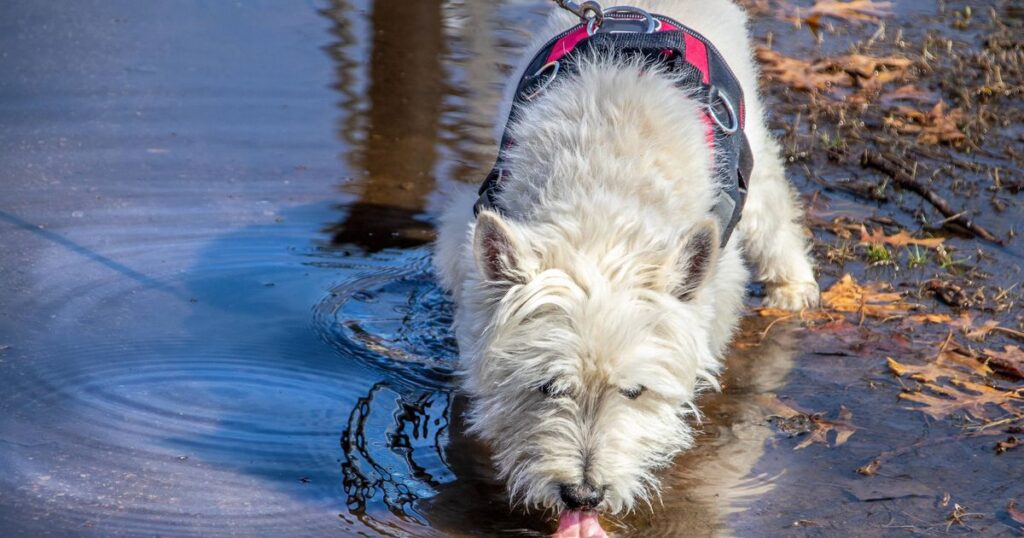
Ever caught a whiff of that unmistakable "wet dog smell" after your furry friend has taken a dip or rolled around in a puddle? You're not alone. According to Ellie, an Assistant Dog Trainer at Will Atherton's Canine Sanctuary in Derbyshire, this peculiar odor is tied to the complex ecosystem of microorganisms residing in your dog's coat, including yeast, bacteria, and even fungi.
In a recent TikTok video, Ellie sheds light on the science behind the phenomenon, particularly for breeds with double coats like Siberian Huskies, various Collies, and Golden Retrievers. These breeds shed their undercoats significantly when the weather heats up, making regular grooming essential. As Ellie explains, "When the weather heats up, dogs with double coats start shedding their undercoat like crazy. It's the natural air conditioning system. But if you don't brush out that loose fur, it doesn't cool them down; it traps heat and moisture, making them hotter, itchier, and more prone to skin issues."
When it rains or dogs go swimming, their thick coats can absorb water like a sponge. If that moisture isn't allowed to evaporate, it creates a breeding ground for bacteria and yeast. These microorganisms emit volatile compounds that contribute to that pungent wet dog smell. This is more pronounced in some breeds than others; for example, dogs with oily or thick fur, along with wrinkly breeds like the Chinese Shar-Pei, Pugs, and Bulldogs, may retain more moisture in their coats and thus have a stronger odor.
Ellie's insights highlight the importance of regular grooming not just for aesthetics, but for maintaining your dog's skin health. "Your dog's coat gets denser and keeps warmth in, which sounds great, but if mats form, they block airflow to the skin," she cautions. This can lead to dry patches, irritation, and even hot spots beneath that fluffy exterior. Grooming is crucial for helping dogs regulate their temperature effectively and ensuring their skin remains healthy.
Raw Dog Food Caution from Food Standards Agency
In related dog news, the Food Standards Agency (FSA) has issued a warning concerning raw dog and cat food, which often consists of unprocessed or uncooked meat, offal, and bones. A survey conducted by the FSA analyzed 380 raw dog and cat food products bought from retail stores and online between March 2023 and February 2024. The results were alarming: 35% of these products contained harmful bacteria such as Salmonella, Campylobacter, and E. coli, which can cause illness in humans. Additionally, 29% failed to meet UK legal safety standards.
These risks are attributed to the fact that raw food is more likely to carry bacteria than cooked alternatives. Experts warn that contact with pet food or your pet could potentially spread antibiotic-resistant bacteria. Rick Mumford, Interim Chief Scientific Advisor for the FSA, stated, "We know that many pet owners choose raw pet food. This survey shows that these products can pose risks to human and animal health." He emphasizes the importance of practicing good hygiene when handling raw pet food, suggesting pet owners follow the same precautions they would when preparing food for themselves.
As pet ownership continues to grow in America, understanding the underlying science behind your dog's health and the food they consume is critical. Regular grooming not only keeps your dog looking their best but also plays a vital role in their overall health. Additionally, as raw pet food becomes increasingly popular, awareness of food safety standards is essential for both pet and human well-being.
You Won't Believe What Steve Jobs Demanded from Google: A Shocking Logo Change That Almost Cost Them Millions!

Unlock the Shocking Connection Between Your Sleep Schedule and Heart Health—Are You Ignoring This Fatal Mistake?

India's AI Boom: Can It Shift the Global Balance? Tech Titans Reveal Shocking Secrets Before Summit!
Warning: Popular Snack Bars Recalled After Shocking Illness – Are Yours Affected? Find Out Now!
Urgent Recall: Millions of Rabies Vaccines from Sept. 29-Jan. 8 Linked to Alarming Health Risks!
Measles Cases Skyrocket by 300%! Are You Putting Your Family at Risk by Not Vaccinating?
You might also like: