Spain's Shocking Move: Is Social Media for Under-16s Facing a Total Ban? Find Out What This Means!

By Alimat Aliyeva
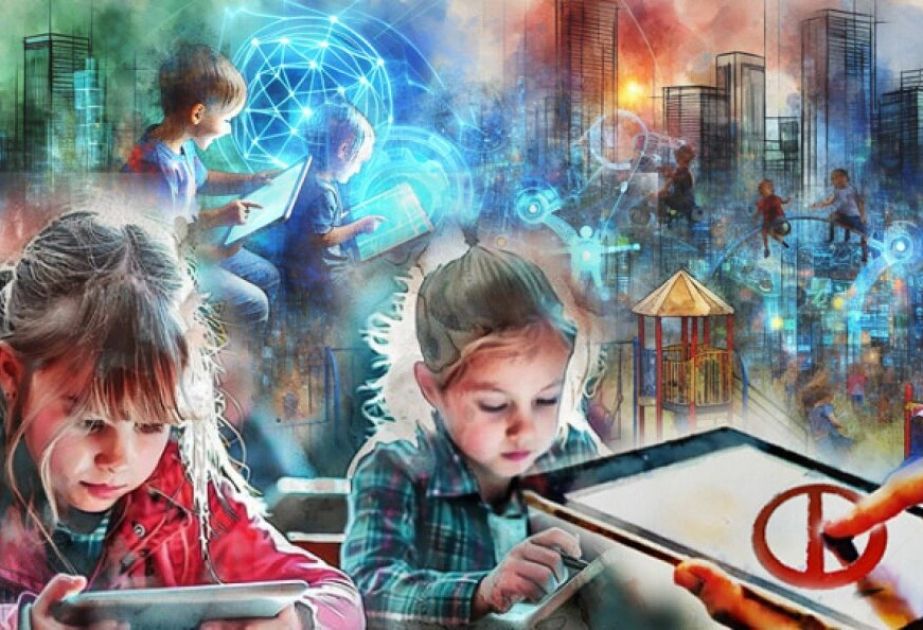
In a significant move aimed at safeguarding young people online, Spain is planning to ban access to social media for minors under the age of 16. This initiative, announced by Spanish Prime Minister Pedro Sánchez on Tuesday, is part of a broader package of measures to create a safer digital environment for children and teenagers.
The Spanish government has repeatedly voiced concerns over the prevalence of hate speech, pornographic material, and disinformation on social media platforms. According to Sánchez, such content poses a serious threat to the well-being of minors. “Our children find themselves in a space they were never meant to navigate alone,” he stated during his address at the World Government Summit in Dubai. “We will no longer tolerate this situation.”
Sánchez emphasized the need for measures that protect children from what he termed the “digital Wild West,” urging other European nations to consider implementing similar restrictions. This comes on the heels of Australia’s groundbreaking decision in December 2022 to become the first country to impose a ban on social media access for children under 16. This Australian policy is now being closely monitored by other governments contemplating similar regulations.
As part of this initiative, the Spanish government plans to introduce mandatory age-verification systems across social media platforms. This requirement could lead to a significant reshaping of how tech companies design their services, making child-safe versions of social networks more prevalent across Europe. Current studies indicate that teenagers in Spain spend an average of over four hours a day on social media, with many accessing these platforms before the age of 13.
In conjunction with the age verification measures, Sánchez is set to introduce a new bill that will hold social media executives personally accountable for illegal content and hate speech. This legislation will also criminalize algorithm manipulation and the distribution of unlawful material. The implications of these changes could resonate across the tech industry, potentially leading to more stringent controls and regulations concerning online content.
The focus on protecting minors online reflects a growing concern among policymakers worldwide regarding the mental and emotional impact of social media on young users. As Spain prepares to take these decisive steps, it sets a precedent that could influence global conversations about youth safety in the digital age.
Access Denied: The Shocking Truth About Your Privacy That Could Cost You Everything!
Government Shutdown Ends, But You Won't Believe What Trump Just Revealed in Shocking Meeting!

PepsiCo Just Slashed Snack Prices—Find Out Which Popular Items Are Shockingly Cheap Now!

Is Your Life at Stake? Discover How Political Decisions Are Costing Lives Everyday!

Dak Prescott's Shocking Turn in Pro Bowl: How He Led the NFC to a Stunning Flag Football Victory!
New Mexico's Immigrant Safety Act: What This Shocking Move Means for Your Community!
You might also like: