
PepsiCo Just Slashed Snack Prices—Find Out Which Popular Items Are Shockingly Cheap Now!

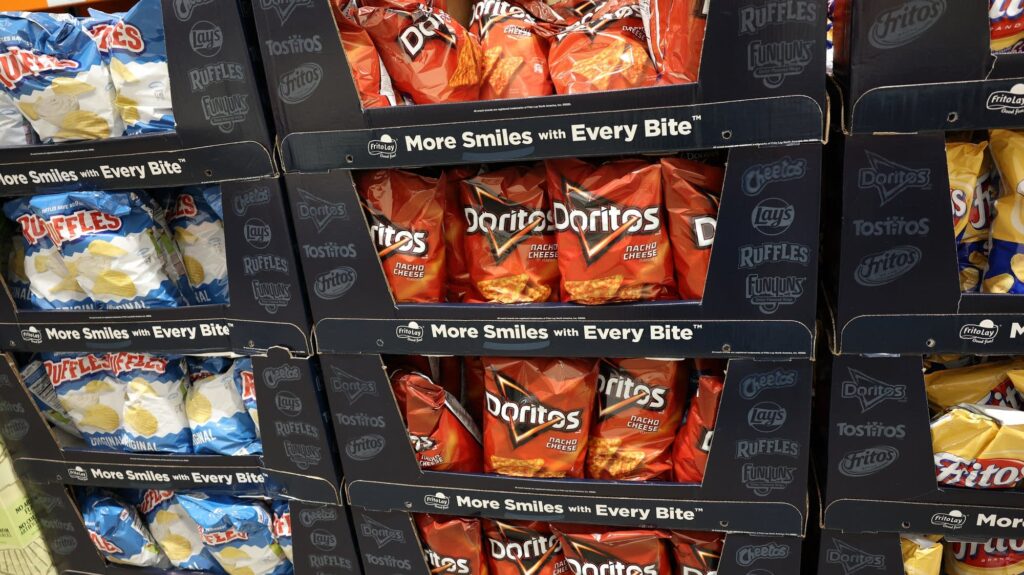
PepsiCo has announced that it exceeded Wall Street's earnings expectations for the fourth quarter of 2025, despite facing challenges with declining beverage and snack sales in North America. Investors have been pressing the food and drink giant to enhance its sales amid a shifting consumer landscape where shoppers are increasingly cost-conscious and health-conscious.
While the name PepsiCo often evokes images of cola, the company's product portfolio is heavily dominated by salty snacks, according to Errol Schweizer, publisher of The Checkout Grocery Update. “They control more than 50% market share in packaged snacks in many major metro areas,” Schweizer stated, highlighting the importance of its subsidiary, Frito-Lay, which produces popular snacks like Doritos, Cheetos, Fritos, and Tostitos.
However, these popular snacks have not been selling as well as expected. According to Peter Galbo, an analyst with Bank of America, there are two primary reasons for this downturn. The first is affordability. During the pandemic, PepsiCo raised prices on its snacks, capitalizing on a time when many consumers were at home snacking more. Now, with food inflation still elevated, consumers are more resistant to spending on snacks like chips and pretzels.
In response, PepsiCo has decided to slash prices by 15% on certain snacks, effective this week. This strategic move is timed to coincide with what some refer to as the "largest snack holiday"—the Super Bowl. PepsiCo aims to ensure that fans stock up on its snacks before the big game.
PepsiCo is also attempting to reposition its brands as healthier options. “They're looking at selling a Doritos with enhanced protein, ‘cause everybody's obsessed with protein these days,” Schweizer noted. However, he cautioned that many of these changes are more about marketing than actual product reformulation. For example, packaging for products like Lay’s now advertises them as minimally processed or all-natural, despite the base ingredients—essentially potatoes, oil, and salt—remaining the same.
As for its flagship cola, Duane Stanford, publisher of Beverage Digest, pointed out that Pepsi has struggled to keep pace with its arch-rival, Coca-Cola, in recent years. To address this competitive gap, PepsiCo plans to air an advertisement during the Super Bowl featuring a taste test conducted by Coca-Cola's iconic polar bear, which, in a twist, chooses Pepsi. The drinks showcased in the ad will be zero-sugar varieties, hinting at a potential shift in consumer preferences towards healthier options.
PepsiCo's mixed results illustrate the complexities and challenges of navigating a rapidly changing consumer environment. The company's efforts to adapt—whether through pricing strategies or product rebranding—are indicative of the broader trends impacting the food and beverage industry. As consumers become more selective about their purchases, it remains to be seen how effectively PepsiCo can leverage its significant market share to boost sales and satisfy investor demands.
Is Your Life at Stake? Discover How Political Decisions Are Costing Lives Everyday!

Dak Prescott's Shocking Turn in Pro Bowl: How He Led the NFC to a Stunning Flag Football Victory!
New Mexico's Immigrant Safety Act: What This Shocking Move Means for Your Community!

You Won't Believe Which Historic College Football Powerhouse Just Crashed the Big Ten Rankings!
GoDaddy's Secret Security Flaw Exposed: 85% of Users at Risk—Are You One of Them?

You Won't Believe How Simple Lifestyle Changes Can Slash Your Risk of Heart Valve Disease by 50%!
You might also like: