
Is Your Life at Stake? Discover How Political Decisions Are Costing Lives Everyday!

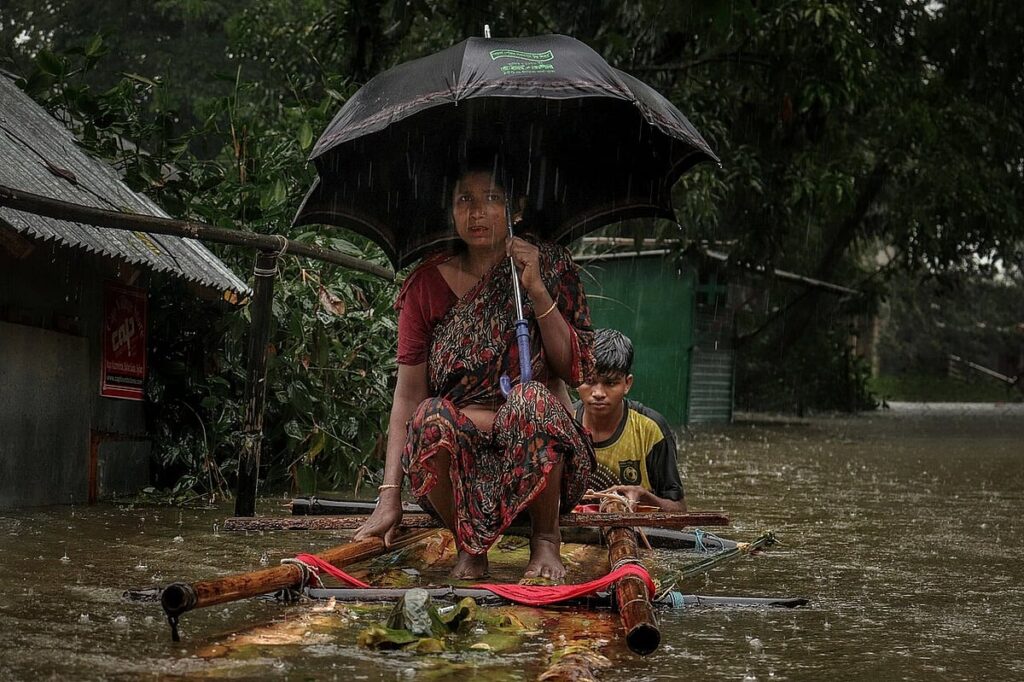
As climate change intensifies, the concept of “necropolitics,” introduced by Cameroonian historian Achille Mbembe, offers a stark lens through which to view the disproportionate impact of environmental crises on certain populations. This term describes how political structures and societal norms can lead to the systematic exposure of some lives to harm, revealing that vulnerability is often shaped by underlying social inequalities rather than mere happenstance.
The recent deaths of the Galvan family, reportedly linked to extreme heat, underscore this unsettling reality. Their tragedy was not solely a result of soaring temperatures but was also shaped by gaps in policy and infrastructure that fail to protect the most vulnerable. Such deaths are not isolated incidents; they reflect broader trends observable globally. In regions like South Asia and the Middle East, heatwaves are claiming the lives of elderly individuals and outdoor workers, while in sub-Saharan Africa, floods and droughts disproportionately affect subsistence farmers, pushing them further into poverty.
In the United Kingdom, environmental issues manifest through air pollution, which is linked to approximately 30,000 deaths annually. Marginalized communities, particularly those from ethnic minority groups and low-income backgrounds, are more likely to reside in areas with the highest pollution levels. These fatalities are not random; they follow discernible social patterns, highlighting the intersection of environmental risk and social injustice.
Mbembe’s framework explains how political, economic, and social mechanisms can consistently render certain populations more susceptible to environmental hazards. In the United States, the phrase “Drill, baby, drill!” has resurfaced, signaling a prioritization of fossil fuel extraction over the urgent need to reduce emissions. This approach not only perpetuates climate vulnerabilities but also entrenches structural inequalities, leading to a chronic state of exposure for marginalized communities.
Yet, it is crucial to understand that vulnerability is not an inescapable fate. The example of heat-related deaths serves as a reminder that timely intervention can often prevent tragedies. As epidemiologist Kristie Ebi asserts, “Those deaths are preventable … people don’t need to die in the heat.” With the implementation of early warning systems, targeted outreach, and responsive policies, many lives could be saved from the harsh impacts of climate change.
This principle extends beyond the issue of heat. Coordinated action—connecting social, infrastructural, and institutional responses to climate hazards—is vital for mitigating risks associated with extreme weather events, floods, and air pollution. Recognizing that structural neglect underpins the distribution of harm enables a shift from blaming personal behavior to addressing systemic failures.
In conclusion, the necropolitics of climate change reveal not just the inequities embedded in our policies but also a call to action. The intersection of climate vulnerability with social justice demands a reassessment of how resources are allocated and communities are supported. As climate risks intensify, the challenge lies in transforming our understanding of vulnerability from a fatalistic narrative into one of resilience through proactive measures and equitable policy responses.
Dak Prescott's Shocking Turn in Pro Bowl: How He Led the NFC to a Stunning Flag Football Victory!
New Mexico's Immigrant Safety Act: What This Shocking Move Means for Your Community!

You Won't Believe Which Historic College Football Powerhouse Just Crashed the Big Ten Rankings!
GoDaddy's Secret Security Flaw Exposed: 85% of Users at Risk—Are You One of Them?

You Won't Believe How Simple Lifestyle Changes Can Slash Your Risk of Heart Valve Disease by 50%!

Massachusetts AG Drops a Bombshell: Lawsuit Targets Bitcoin Kiosk Operator—What Happens Next Will Shock You!
You might also like: