
You Won't Believe the 2011 Snack Cake Scandal That Left 3,000 Sick and 1,000 Recalled!

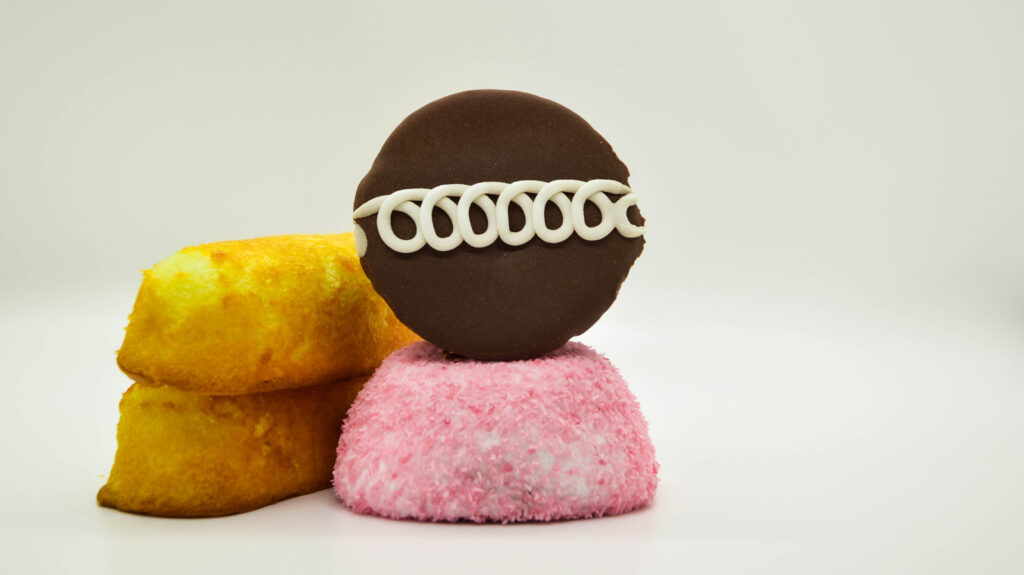
Snack cakes are often associated with indulgence rather than health, but few products have sparked as much controversy as Lazy Cakes, a brand that attempted to merge dessert with a sleep aid. Initially introduced as "relaxation brownies," Lazy Cakes contained a hefty dose of melatonin, a dietary supplement known for its sleep-inducing properties. While melatonin is generally considered safe for adults in recommended doses, these brownies had nearly 8 milligrams per serving—substantially higher than the typical adult dosage, which generally ranges from 0.3 to 3 milligrams.
First appearing in stores in 2011, the product quickly attracted public attention and concern. Its marketing strategy featured a droopy-eyed mascot and a branding approach that suggested a correlation to marijuana edibles, even though Lazy Cakes were completely legal and drug-free. However, the implications of selling such a product were serious; reports emerged of children experiencing excessively deep sleep, leading to hospital visits. The brownies were sold in various locations, including gas stations and supermarkets—from environments where children could easily access them.
The FDA's Response
The Food and Drug Administration (FDA) stepped in amid growing alarm. Melatonin, naturally produced by the body, helps regulate sleep cycles, but excessive doses could dangerously slow down the central nervous system. This was particularly worrying for children, whose bodies were not accustomed to such high levels of the supplement. Although no fatal incidents were reported, the potential for adverse side effects raised significant flags.
In a letter to the manufacturers, the FDA urged them to cease the sale of Lazy Cakes as they were marketed—arguing that if the product resembled a brownie and was marketed as such, it should be regulated as food rather than a dietary supplement. The agency highlighted that melatonin was not a safe food additive, emphasizing that the product's enticing appearance did not align with its potentially harmful effects, especially on younger consumers.
Initially, the company pledged to change its packaging and clarify its position in the market. However, following the warning from the FDA, Lazy Cakes seemingly vanished from store shelves, leading many to wonder about the future of dessert products that blur the lines between food and supplements. For those seeking a sweet treat before bedtime, other options, like a "sleepy girl mocktail," are recommended instead.
The Lazy Cakes controversy serves as a cautionary tale about the responsibilities of manufacturers and the regulatory frameworks surrounding dietary supplements. As the market for relaxation and sleep aids continues to grow, the focus must remain on ensuring consumer safety, particularly for vulnerable populations like children.
2025: The Year Climate Change Went Wild – Are You Prepared for the Shocking Consequences?

KakaoTalk and YouTube: The Shocking Truth Behind Korea's App Obsession Revealed!

Why Are U.S. Senators and Kansas Governor Throwing $220M at Rural Hospitals? The Shocking Truth Inside!
This Shocking Legal Case Has Everyone Talking—What’s Hidden in the Details? You Won’t Believe It!

7 Shocking Stocks That Could Plummet This Week—Are You Holding Any of These?
Measles Outbreak in Spartanburg County: Are Your Kids at Risk? Shocking Numbers Revealed!
You might also like: